Garlic, a staple in many gardens, can sometimes face challenges like yellowing leaves, which signal underlying issues that need attention. Understanding the causes and applying appropriate remedies can ensure robust growth and a bountiful harvest. Here’s how to tackle garlic yellowing effectively:
Causes of Garlic Yellowing
Garlic may turn yellow due to various reasons:
- Lack of Moisture: Insufficient watering during active growth phases can stress garlic plants.
- Poor Soil Quality: Soil lacking in essential nutrients can hinder garlic development.
- Frost Damage: Cold temperatures, especially severe night frosts, can damage garlic leaves.
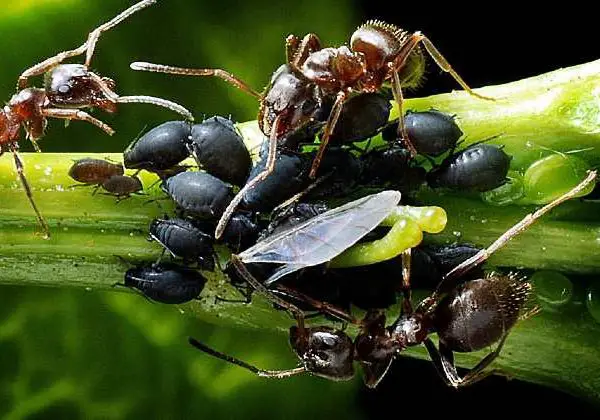
- Pests: Pests like onion fly or nematodes can damage the garlic roots, leading to yellowing leaves.
- Nutritional Deficiencies: Improper or inadequate fertilization can deprive garlic of necessary nutrients.
What to Do if Garlic Turns Yellow
Depending on the cause, several remedies can effectively address yellowing garlic:
- Pest Control:
- Ammonia Solution: Mix 50 g of ammonia in 8 liters of water and spray onto the garlic bed in the evening (temperature should be at least 25°C) to combat pests.
- Saline Solution: Dilute 250 g of salt in 10 liters of water and apply to the garlic bed. Follow up after 10 days with an insecticide application to further protect the plants.
- Feeding Garlic:
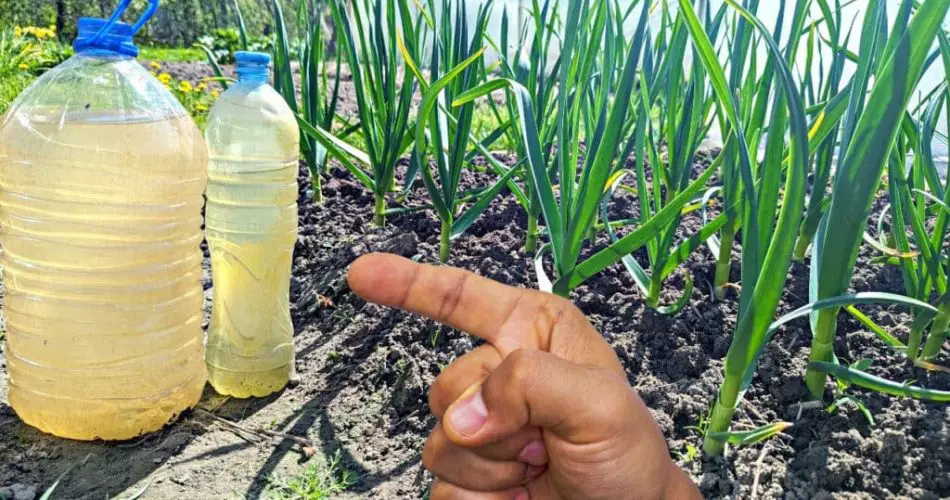
- Iodine Solution: Combine 40 drops of iodine with 10 liters of water for watering garlic. This solution promotes growth and protects against fungal diseases.
- Nitrogen Fertilizers: For winter garlic planted in spring, use nitrogen-rich fertilizers like manure (1 part in 10 liters of water), ammonium nitrate, urea, or nitrophoska (20 g in 10 liters of water).
- Ash Solution: Infuse 1 cup of ash in 10 liters of water for 2 hours and use for watering garlic as an effective organic supplement.
Preventing Garlic Yellowing
To maintain healthy garlic plants and prevent yellowing:
- Planting: Choose fertile soil and ensure adequate nutrient levels.
- Watering: Provide regular, moderate watering, especially during growth phases.
- Feeding: Apply fertilizers on schedule and ensure they contain essential nutrients.
- Pest Management: Regularly inspect garlic for pests and apply preventive insecticides and fungicides as needed.
By following these straightforward guidelines, you can nurture robust, healthy garlic plants that yield a plentiful harvest, free from the challenges of yellowing leaves. Enjoy your garden’s bounty!