This step is crucial before harvesting onions, yet most people forget it! Whether it’s a grelot, Cévennes, or an early Parisian onion, the onion is an essential part of the table and the vegetable garden. Valued for both its flavor and therapeutic properties since ancient times, onions come in white, yellow, and red varieties and are native to Central Asia, with over a thousand types cultivated globally. Easy to grow, onions do require some gardening secrets for optimal growth. Let’s explore how to care for this vital bulb and maximize your harvest.
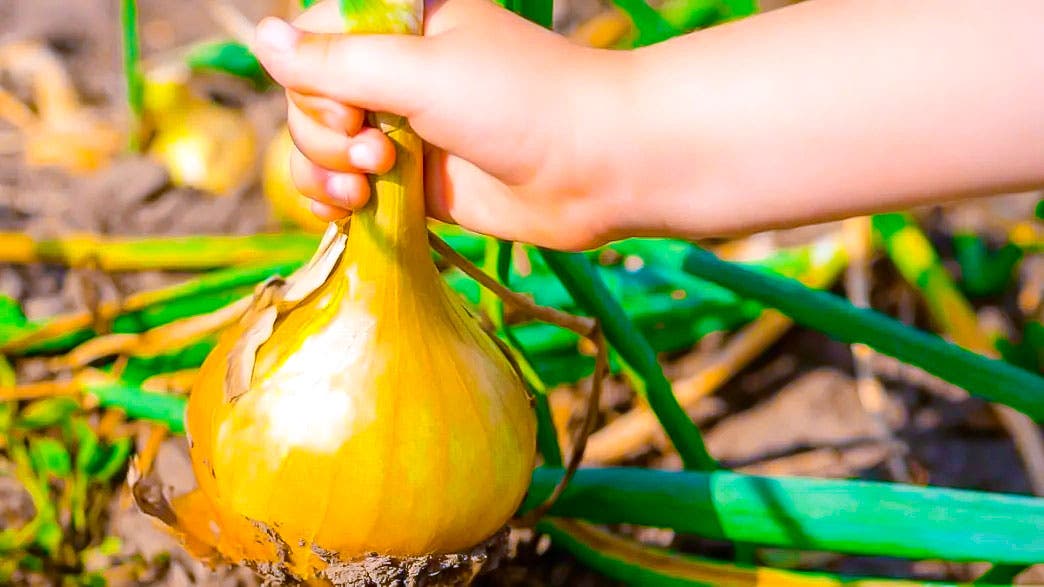
A gem in the vegetable garden, onions occupy little space and have a long shelf life. They are a staple in kitchens worldwide and boast numerous medicinal properties. Let’s dive into how to cultivate this precious bulb effectively.
How to Plant Onions Properly?
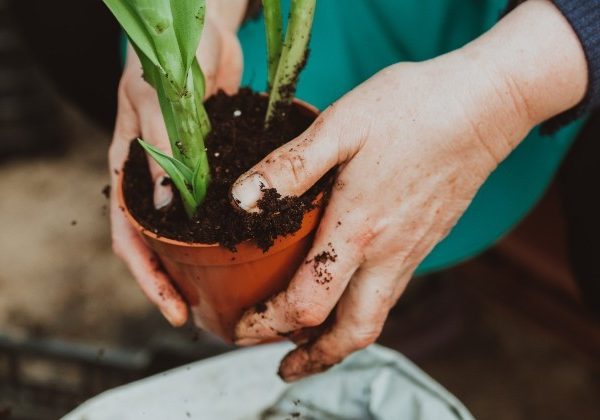
Onions can be sown as seeds directly in the ground or as seedlings transplanted in spring for a summer harvest. They adapt to various soil types but prefer light, well-drained soil. Keep in mind that onions have two main enemies: cold (no temperatures below 10°C) and humidity, which can cause rot. For best growth, they need full sun and should not be overwatered. Boost growth with green manure like compost or potash.
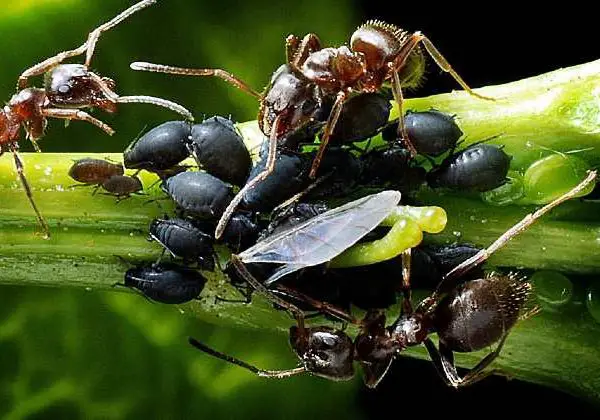
Watch out for mildew and flies, which can devastate your crop. In organic gardens, regular hoeing and weeding are essential to prevent infestations, and using nettle leaves or manure can be beneficial. Onions thrive alongside garlic, carrots, or spinach, which help repel pests. However, they do not mix well with cabbages, beans, and peas, which can concentrate nitrogen in the soil.

How to Make Onions Bigger?
As your onions mature, you can encourage them to grow larger with a few simple techniques. To help your bulbs thrive, gently flatten the stems without breaking them. This allows the bulbs to receive more nutrients. Additionally, remove some soil around the bulb to promote expansion. Following these steps will lead to superb, fleshy onions.

Tips for Storing Onions Properly
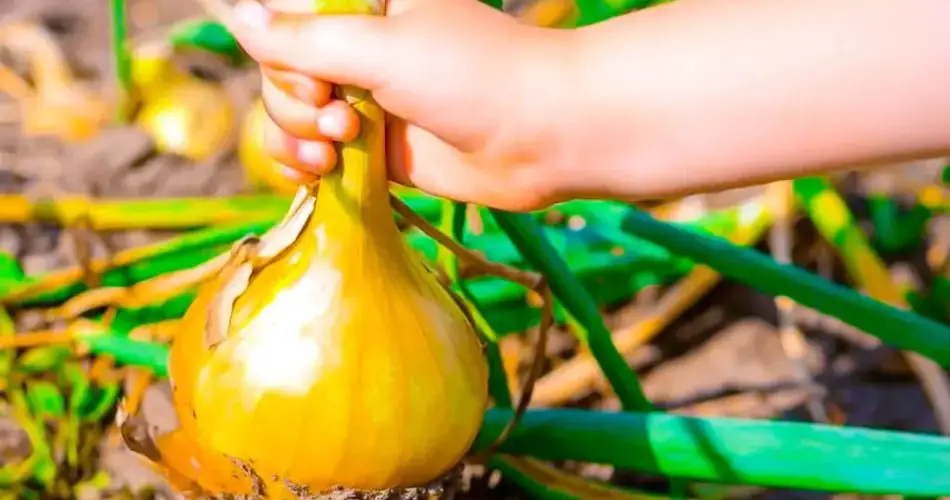
Harvest onions during dry weather to avoid moisture retention. They should be picked when the foliage is yellow and dry. The small white onion is the first to ripen and can be eaten fresh in spring, while yellow and red varieties should be harvested in July and August.
Carefully use a garden fork to remove the onions to avoid damaging them, as any snags can lead to mold and rot.
Once harvested, it’s time to dry the onions. Allow them to dry for a few days in the sun before storage. To ensure optimal flavor and longevity, follow these steps:
- After drying, cut the stems with a knife.
- Sort the onions, keeping only those that are firm to the touch.
- Place them in containers that allow for air circulation, like crates or shelves.
- Store in a dry, ventilated area away from intense light.
- Regularly check your crop for signs of rotting and discard any damaged onions to prevent contamination.

Now that you’ve successfully grown and stored your onions, it’s time to hit the kitchen! With six months ahead of you, you can brown, caramelize, or preserve them in countless delicious dishes. Enjoy the fruits of your labor—even if it means shedding a few tears!