“Green Innovation: Transforming Plastic Bottles into Stunning Vegetable Walls – No Garden Needed”
Introduction:
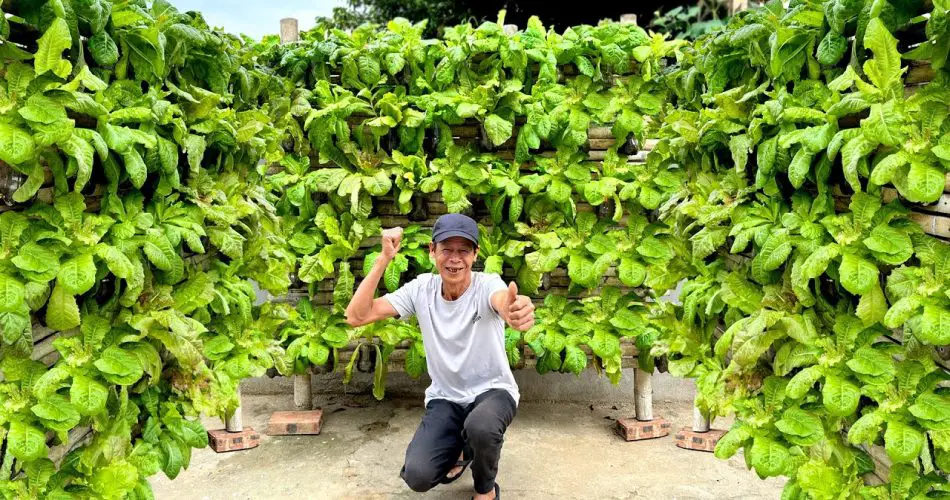
Gardening creativity knows no bounds, and one remarkable way to cultivate a lush and beautiful vegetable garden without the need for traditional garden space is by recycling plastic bottles. In this article, we explore the ingenious concept of turning plastic bottles into unbelievably beautiful vegetable walls, offering a sustainable and visually stunning solution for urban dwellers and gardening enthusiasts alike.
- The Eco-Friendly Approach: Recycling Plastic Bottles Recycling takes on a whole new meaning when it comes to creating vegetable walls from plastic bottles. By repurposing these everyday items, you not only reduce plastic waste but also contribute to the creation of a functional and aesthetically pleasing vertical garden.
- Materials Needed: Simple and Accessible To embark on this green venture, gather plastic bottles of various sizes, potting soil, seeds or seedlings of your chosen vegetables, a pair of scissors, and a sturdy frame or structure to support the vertical garden.
- Preparing the Plastic Bottles: Start by removing the labels and caps from the plastic bottles. Cut each bottle horizontally, creating a planter with an open top. Ensure there are drainage holes at the bottom to prevent waterlogging.
- Building the Vertical Garden Structure: Arrange the cut plastic bottles in a creative pattern on your chosen vertical structure. This can be a wooden frame, a wire mesh, or even a repurposed pallet. Secure the bottles in place, ensuring stability for the growing plants.
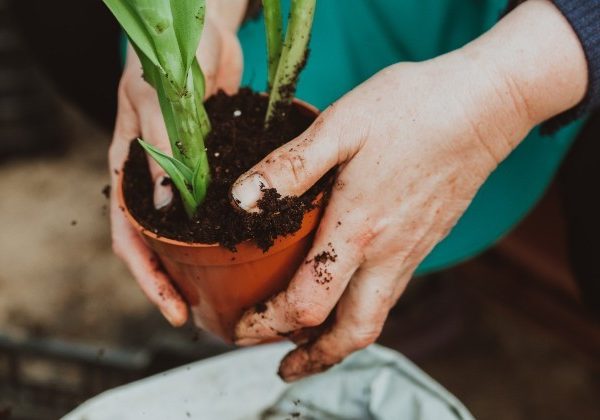
- Filling the Bottles with Soil: Once the bottles are secured, fill each one with high-quality potting soil. Ensure the soil is well-packed and reaches the top of each bottle, providing a nutritious medium for your vegetable plants to thrive.
- Planting Your Vegetables: Choose vegetables that are well-suited for vertical gardening, such as lettuce, herbs, cherry tomatoes, or strawberries. Plant seeds or place seedlings into the soil-filled bottles, allowing for proper spacing to ensure healthy growth.
- Watering and Maintenance: Water your vertical vegetable wall regularly, ensuring that the soil remains consistently moist. Vertical gardens may require more frequent watering, so monitor the moisture levels to support optimal plant development. Consider adding a drip irrigation system for efficiency.
- Sunlight and Location: Place your vertical garden in a location that receives adequate sunlight. Most vegetable plants require at least 6-8 hours of direct sunlight daily. Ensure that the structure is securely positioned to withstand wind and other environmental factors.
- Harvesting Fresh Vegetables: As your vegetable wall flourishes, enjoy the excitement of harvesting fresh produce directly from your vertical garden. Pick ripe vegetables as they mature, encouraging continuous growth and extending the harvest season.
- Aesthetic Appeal and Sustainable Living: Beyond the practical benefits, the visual appeal of a vegetable wall made from recycled plastic bottles adds a touch of greenery to urban spaces. Embrace sustainable living by transforming ordinary plastic waste into a breathtaking display of nature.
Conclusion:
Creating a vegetable wall from recycled plastic bottles is not only a brilliant gardening solution for those with limited space but also a powerful statement in favor of sustainable living. Unleash your creativity, reduce plastic waste, and enjoy the beauty of a vertical garden that provides both aesthetic pleasure and a bounty of fresh vegetables. No garden? No problem – just recycle and watch your stunning vegetable wall come to life.