Never Buy Vegetables Again: My Journey of Growing a Home Garden to Provide for My Family
Embarking on the journey of growing your own vegetables is not just a hobby; it’s a transformative experience that allows you to provide fresh, homegrown produce for your family. In this article, we’ll explore the steps and joys of cultivating a home garden, ensuring a bountiful harvest that will have you saying goodbye to store-bought vegetables forever.
The Joy of Home Gardening:
- Nutrient-Rich and Organic: Growing your own vegetables allows you to control the cultivation process, ensuring that your produce is free from pesticides and other harmful chemicals. This results in nutrient-rich, organic vegetables that contribute to a healthier lifestyle.
- Cost-Efficient: Cultivating your own vegetables is a cost-efficient way to provide for your family. The initial investment in seeds, soil, and basic gardening tools often pays off with a continuous supply of fresh produce, reducing the need for regular grocery purchases.
- Educational for the Family: Involving your family in the gardening process becomes an educational and bonding experience. Children learn about plant life cycles, the importance of sustainability, and gain a greater appreciation for the food they eat.
Steps to Grow Your Own Vegetables:
- Plan Your Garden: Assess the available space and plan your garden layout. Consider factors like sunlight, water accessibility, and the types of vegetables you want to grow. Start with a manageable size to ensure success, especially if you are a beginner.
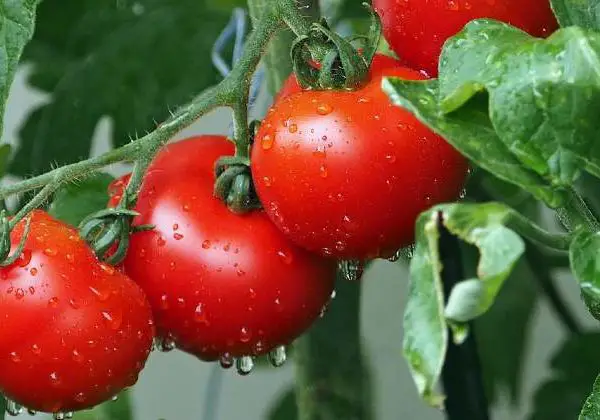
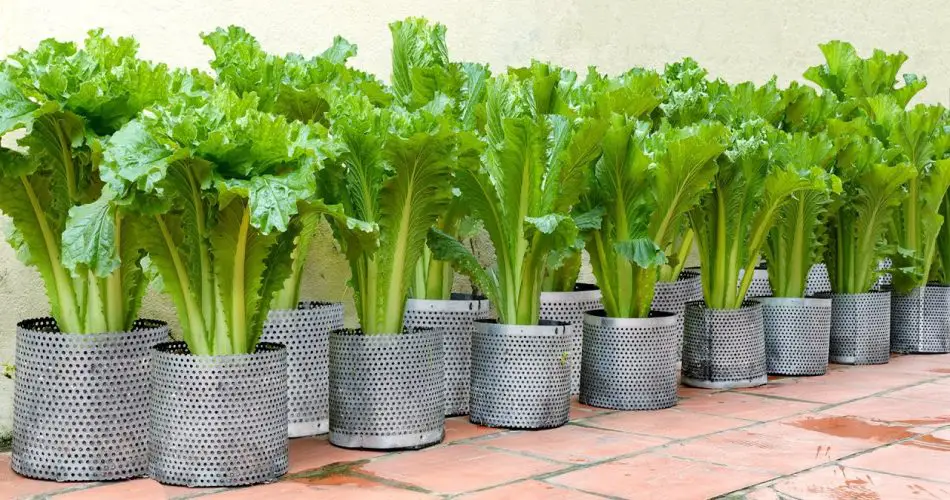
- Choose the Right Vegetables: Select vegetables that are well-suited to your climate and growing conditions. Beginners often find success with easy-to-grow vegetables like tomatoes, lettuce, peppers, and herbs.
- Prepare the Soil: Invest time in preparing nutrient-rich soil. Amend the soil with compost or organic matter to provide essential nutrients for plant growth. Well-draining soil is crucial to prevent waterlogging.
- Planting and Spacing: Follow the recommended spacing for each vegetable and plant them at the appropriate depth. Proper spacing allows for air circulation and prevents overcrowding, reducing the risk of diseases.
- Watering Routine: Establish a consistent watering routine. Most vegetables prefer deep, infrequent watering to encourage root growth. Water in the morning to allow foliage to dry, reducing the risk of fungal diseases.
- Mulching for Moisture Conservation: Apply a layer of mulch around your plants to help retain soil moisture, suppress weeds, and regulate soil temperature. Mulching also adds organic matter as it breaks down.
- Support for Vertical Growth: Some vegetables, like tomatoes and cucumbers, benefit from vertical support. Use stakes, cages, or trellises to encourage upward growth, maximizing space and improving air circulation.
- Regular Maintenance: Keep an eye on your garden for pests, diseases, and nutrient deficiencies. Regularly inspect and address any issues promptly to ensure a healthy and thriving garden.
Benefits of Growing Your Own Vegetables:
- Fresh and Flavorful Produce: Homegrown vegetables are harvested at their peak, ensuring freshness and superior flavor. Enjoy the difference in taste compared to store-bought produce.
- Cost Savings: Cultivating your own vegetables can lead to significant cost savings over time. The initial investment pays off with a continuous supply of produce, reducing the need for frequent grocery shopping.
- Health and Well-being: Homegrown vegetables contribute to a healthier lifestyle by providing nutrient-dense, organic options for your family. The act of gardening also promotes physical activity and reduces stress.
Conclusion:
Embarking on the journey of growing your own vegetables is a fulfilling and sustainable way to provide fresh, nutritious produce for your family. As you witness the transformation from seeds to harvest, the joy of home gardening becomes a source of pride and nourishment for both body and soul. Say goodbye to store-bought vegetables and embrace the abundance that your own garden can offer.