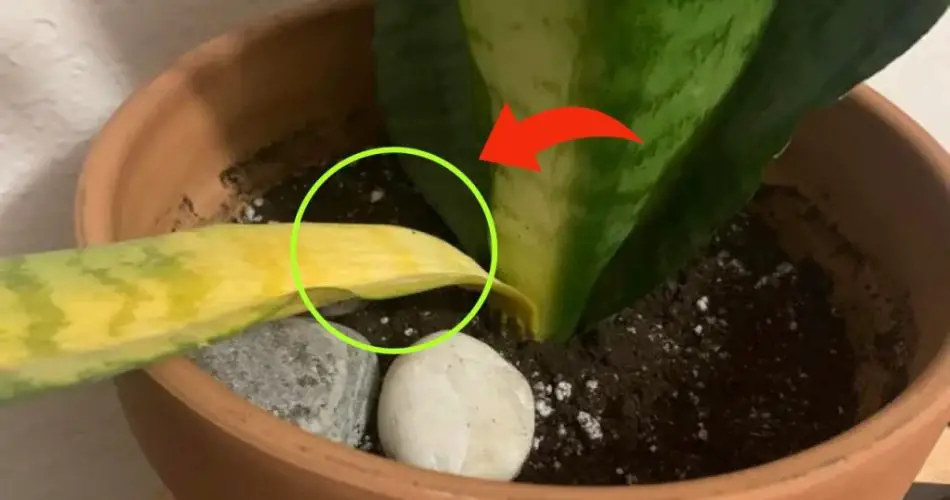
Is your Mother-in-Law’s Tongue (Sansevieria) showing signs of yellow leaves? Don’t worry—there’s an easy solution to help revitalize your plant and keep it thriving. With a few simple steps, you can restore its health and beauty, making it a stunning addition to your home once again. Here’s what you need to know to solve this common problem.
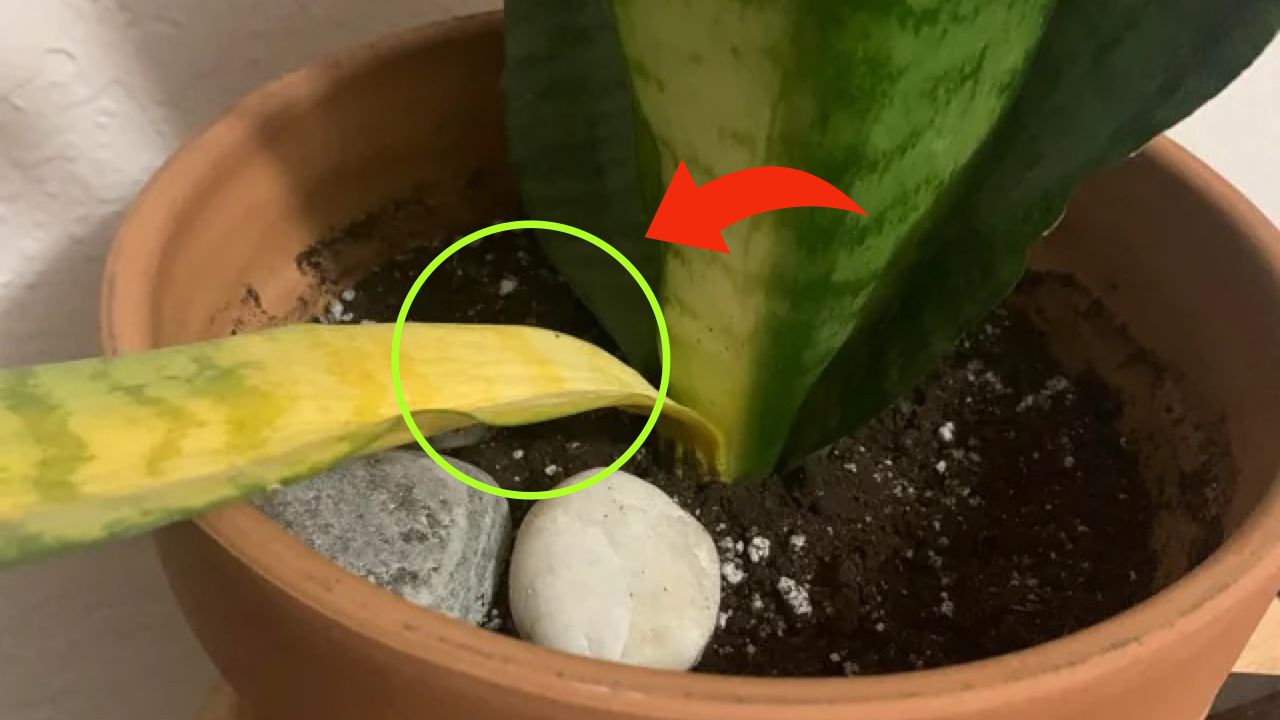
Why Are the Leaves Turning Yellow?
When your Mother-in-Law’s Tongue develops yellow leaves, it’s usually due to a few common reasons. Here are some of the most frequent causes:
- Pests or Parasites: Yellowing leaves may be the result of insect infestations or parasites attacking the plant.
- Lack of Light: Insufficient light can lead to yellowing leaves, as the plant struggles to photosynthesize properly.
- Dirty Leaves: Dust or dirt on the leaves can also cause discoloration, making them look unhealthy.
How to Fix Yellow Leaves on Mother-in-Law’s Tongue
1. Clean the Leaves
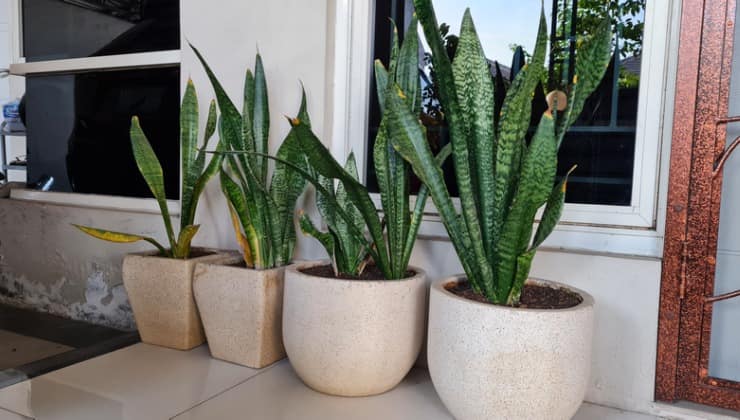
If you notice yellowing, the first step is to clean the leaves. A simple remedy is to make a mixture of water and Marseille soap. Soak a cotton pad in the solution and gently wipe down the leaves. This will help remove any parasites or dirt, leaving the leaves shiny and healthy again. Repeat this cleaning process once a week or every 15 days to keep the leaves looking their best.
2. Avoid Overwatering
Excessive watering is one of the most common reasons for yellow leaves in Mother-in-Law’s Tongue plants. Although you might think that watering more during the warmer months is helpful, it’s actually best to let the soil dry out between waterings. Always check if the soil is dry before adding more water. Overwatering can lead to root rot and damage the plant. Additionally, be sure to empty the saucer under the pot to avoid stagnant water, which can suffocate the roots.
3. Protect From Wind
Mother-in-Law’s Tongue plants are sensitive to wind, and exposure to drafts can cause the leaves to turn yellow. Always keep your plant in a sheltered spot where it’s protected from strong gusts or sudden drafts. This simple step will help prevent stress on the plant and keep its leaves healthy and vibrant.
4. Repot and Fertilize
For your Mother-in-Law’s Tongue to grow healthy, it needs enough space for its roots to develop. If the plant has outgrown its pot, the roots may be cramped, causing stress and yellowing leaves. To prevent this, repot your plant every two years, ideally in spring, when it’s actively growing.
In addition to repotting, don’t forget to fertilize your plant. Many people believe that succulents like Sansevieria don’t need fertilizing, but this is a myth. Inadequate nutrition can cause the leaves to yellow. Use a balanced fertilizer with potassium, phosphorus, and nitrogen to ensure your plant has the nutrients it needs to grow strong and lush. Natural fertilizers, such as coffee grounds, are also a great option, providing the necessary nutrients for healthy growth.
Conclusion
If your Mother-in-Law’s Tongue is suffering from yellow leaves, don’t despair! By following these simple steps—cleaning the leaves, adjusting your watering habits, protecting the plant from wind, and repotting with fertilizer—you can restore your plant’s health and keep it thriving for years to come. With a little attention and care, your Sansevieria will be a beautiful, low-maintenance plant that continues to enhance your home.