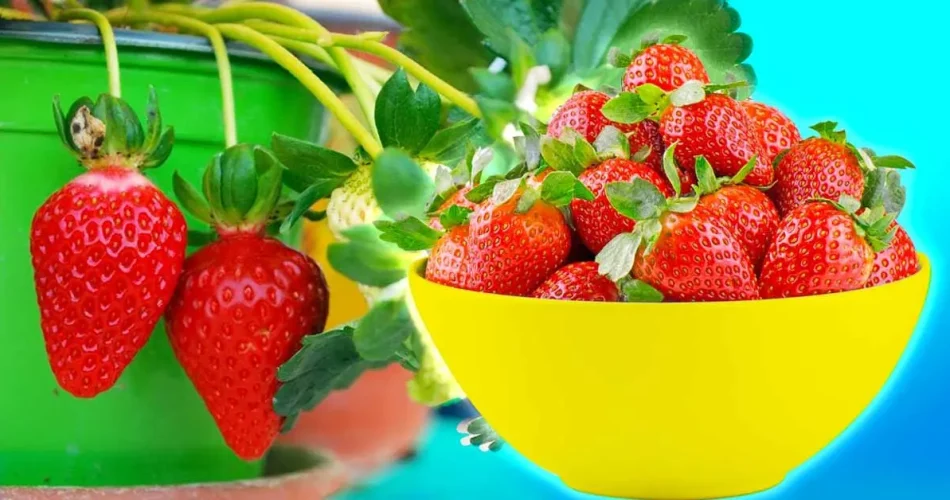
The strawberry plant is a perennial fruit shrub with semi-evergreen foliage. Its fruits are appreciated for their exquisite taste, both sweet and tangy. Moreover, the vitamin C content of strawberries exceeds that of oranges. This low-calorie fruit is also full of minerals beneficial to health. That said, discover these 5 effective tips for increasing the yield of strawberries and obtaining a generous harvest.
The strawberry plant is an easy-to-maintain fruit shrub. It is appreciated for its aroma which allows it to flavor desserts or sorbets. To obtain a generous harvest, certain measures are essential.
How to increase the yield of strawberries?
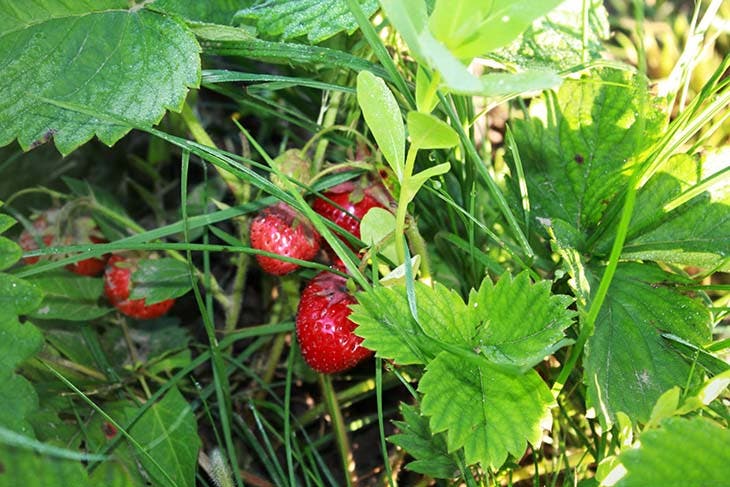
To boost the yield of strawberries grown outdoors, you must take these 5 factors into account:
- Choosing the right variety of strawberries
The yield of strawberries depends on the variety grown. Indeed, everbearing strawberries can produce strawberries every year, between June and July, and then give a new harvest from mid-August, in smaller quantities, without fearing periods of high heat. These strawberry plants can produce fruit for about 5 years. As for non-blooming strawberries, their harvest does not continue. They only produce strawberries from mid-May to the end of June.
- Prepare the soil before planting strawberries
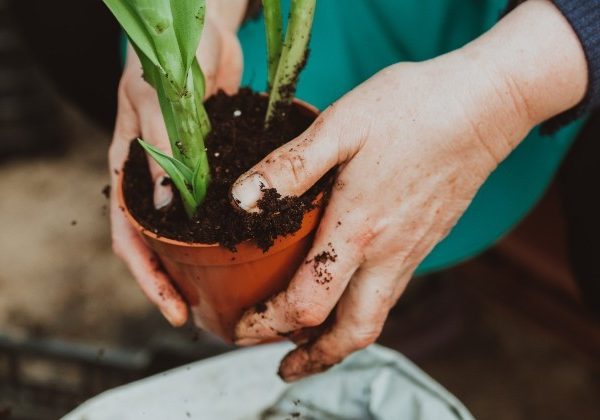
To allow strawberries to develop well and improve their fruiting, it is important to choose soil suitable for growing strawberries. This fruit tree appreciates soft, deep soil, which remains cool even in summer. The strawberry plant also needs draining and loose soil, that is to say light. To do this, we recommend that you work the soil to a depth of 30 cm, in order to make it more flexible and airy. This will allow water, air and micro-organisms to easily infiltrate the soil. In addition to this, loose soil promotes the rooting of plants. Since the strawberry plant appreciates rich soil, it is advisable to incorporate organic manure into the soil, which is a fertilizer rich in nitrogen and carbonaceous materials. Note that the large-fruited varieties appreciate a sunny exposure, while the “four seasons” strawberries prefer a partial shade exposure. Also pay attention to soil pH. Chalky soil can lead to chlorosis which is a plant disease, causing yellowing of the foliage.
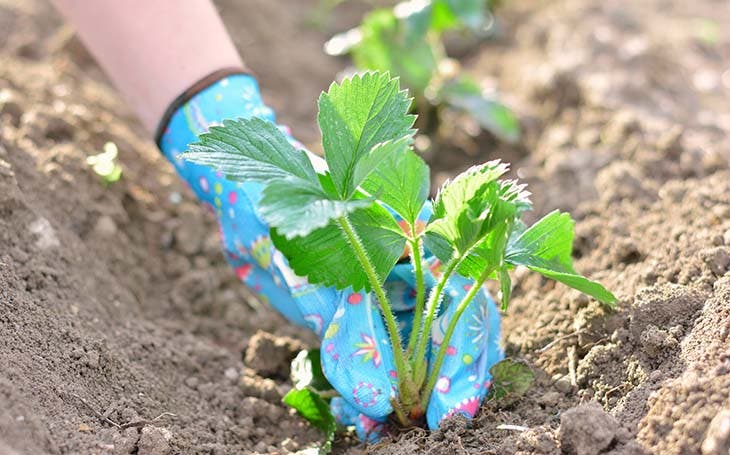
- Mulch the strawberries
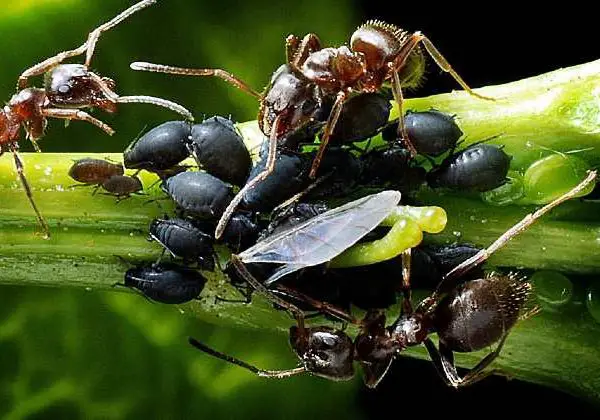
Mulching strawberries helps protect them from mold, keeps slugs away and keeps the soil cool, in order to space out watering. In addition to this, mulching helps limit the development of weeds. These are harmful to your plants, because in addition to drawing nutrients from the soil, and thus competing with your plants, they can transmit diseases and parasites, such as aphids, to cultivated plants.
- Water and fertilize strawberries
Strawberry roots are not deep. The ideal would be to water them in small quantities, every day in summer, especially in cases of high heat. Avoid excess humidity which could suffocate the roots. Also avoid watering the fruit, as this may cause it to rot. To boost the fruiting of strawberries, it is important to fertilize them. For this, you can ideally use a natural fertilizer , in order to provide both water and nutrients to your plants. In this case, choose a fertilizer rich in potassium to stimulate fruit production.
- Prune the strawberries
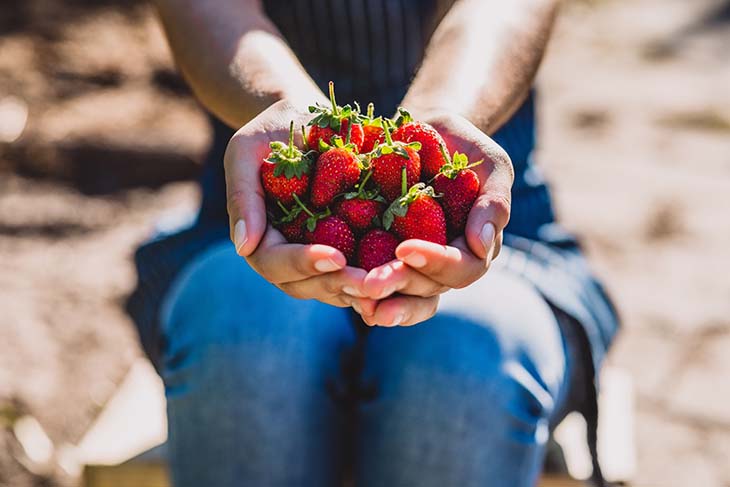
Pruning plants helps stimulate their flowering and fruiting, but also makes them more vigorous and thus protects them from diseases. To increase the fruiting of strawberries, it is important to prune your fruit tree regularly. To do this, remove the leaves from adult bushes, as they slow down fruit development. Also prune thin bushes on which there are no fruits, and plants devoid of berries.
What is the best natural fertilizer for strawberries?
Those with a green thumb will no doubt tell you that nettle manure is one of the best natural fertilizers for fertilizing the soil and stimulating the growth of your strawberries.
By taking these 5 factors into account, you will successfully grow strawberries and boost their yield in order to harvest an abundance of tasty strawberries.