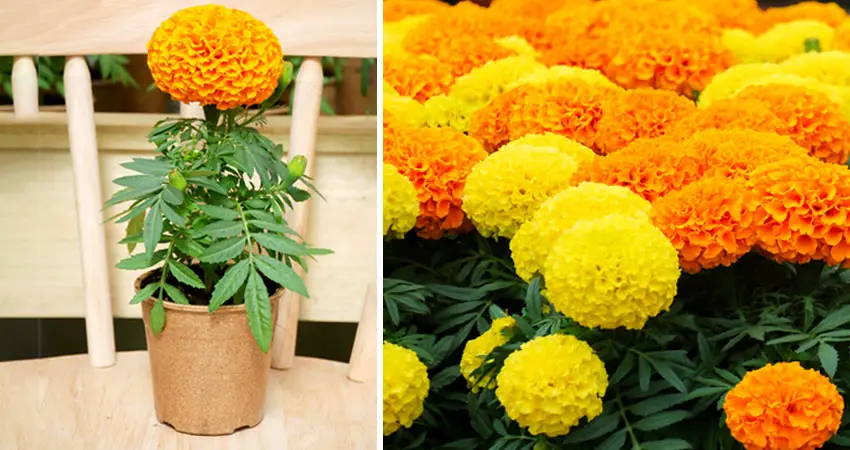
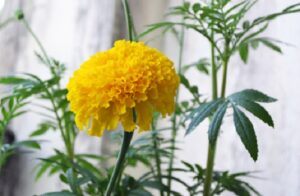
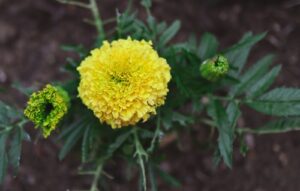
As November arrives, the vibrant marigold flower—also known as cempasúchil—begins to bloom, especially in the culturally rich gardens of Mexico. Celebrated during the Day of the Dead, this striking flower, with its bright orange petals, adds a splash of color and a touch of tradition to any space. Whether you have a sunny balcony or a well-lit corner in your home, marigolds can thrive and bring beauty throughout the year. Here’s how to ensure your marigold plants grow strong and healthy:

1. Sowing

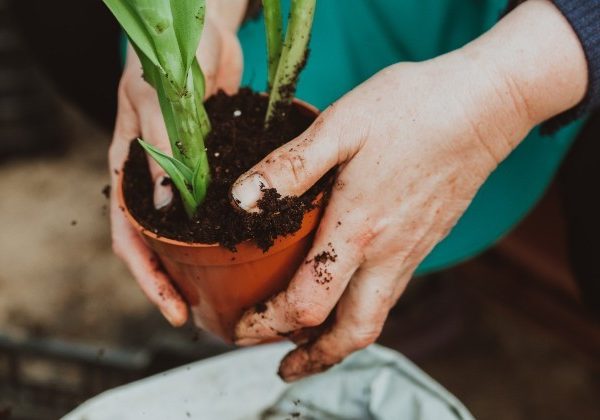
Marigold seeds resemble small, two-toned slivers: a black core encased in ochre skin. You can acquire these seeds from a nursery or save them from dried flowers of your own plant. Use a pot with ample space and plant three seeds per pot, with the pointed end facing downward to enhance germination. This orientation helps the seeds penetrate the soil more effectively.
2. Substrate
For optimal growth, use a well-draining substrate consisting of soil, compost, and a lightening agent like perlite or sand. Properly aerated soil allows the delicate young roots to establish themselves. To prevent waterlogging, place a layer of gravel at the bottom of the pot. Regularly enrich the soil with fertilizer, and for increased flowering, consider applying banana peel tea every 15 days during the growing season.
3. Irrigation
Keep the soil consistently moist but not waterlogged. In summer, daily watering is crucial to prevent the substrate from drying out, while in winter, three times a week is sufficient. The best times to water are early in the morning or late in the afternoon to avoid the hottest parts of the day. Avoid spraying the flowers directly to prevent fungal infections.
4. Light
Marigolds thrive in full sunlight, requiring at least 6 hours of direct sunlight per day. A well-lit location will promote lush growth and abundant blooms. If your marigolds are weak, tall, or have fewer flowers, it might indicate insufficient light. Ensure they receive enough sun to maintain vibrant, healthy plants.
5. Pruning
To control the height of your marigold plant and encourage a bushier growth, trim the top portion regularly. Perform routine pruning by removing dry leaves and spent blooms. Use small, clean pruning shears to avoid spreading diseases; disinfect the shears with alcohol before use.
Natural Pest Control
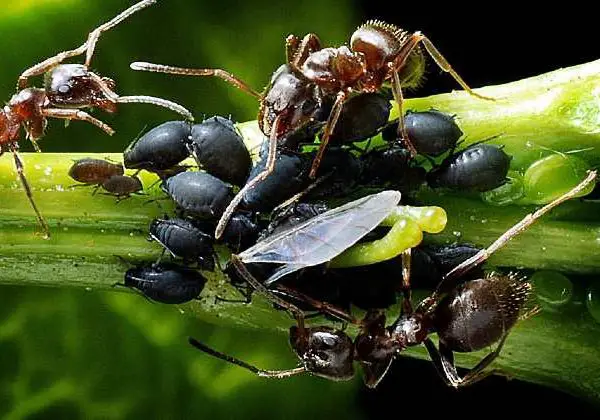
Marigolds also serve as a natural insect repellent. Plant them among your vegetables to deter pests. For an extra boost, create a natural insecticide by soaking marigold flowers in water for 15 days, stirring every 3 days. Strain and dilute this mixture in a liter of water to use as a natural pest deterrent.
By following these care tips, your marigolds will not only enhance your garden or home with their vibrant hues but also contribute to a healthier and more harmonious environment. Enjoy the lively beauty and practical benefits of these charming flowers!