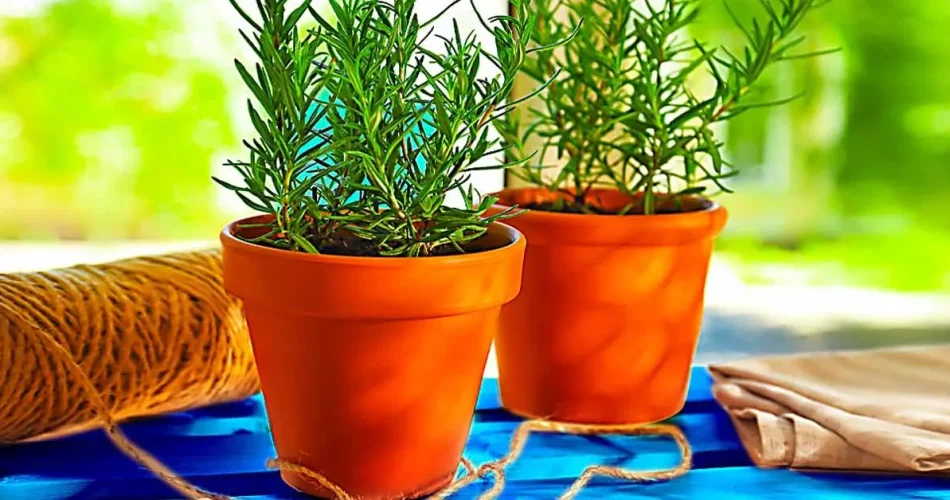
Having plants at home is a very pleasant thing, especially if they exude scents that intoxicate our senses, like rosemary. It is one of the most versatile aromatic plants, particularly for its medicinal virtues. However, although it is a perennial plant, it can happen that it wilts quite quickly if it is not properly maintained. Here’s how to care for this plant.
Here are very simple rules for making this perennial plant last so that it continues to perfume your interior.
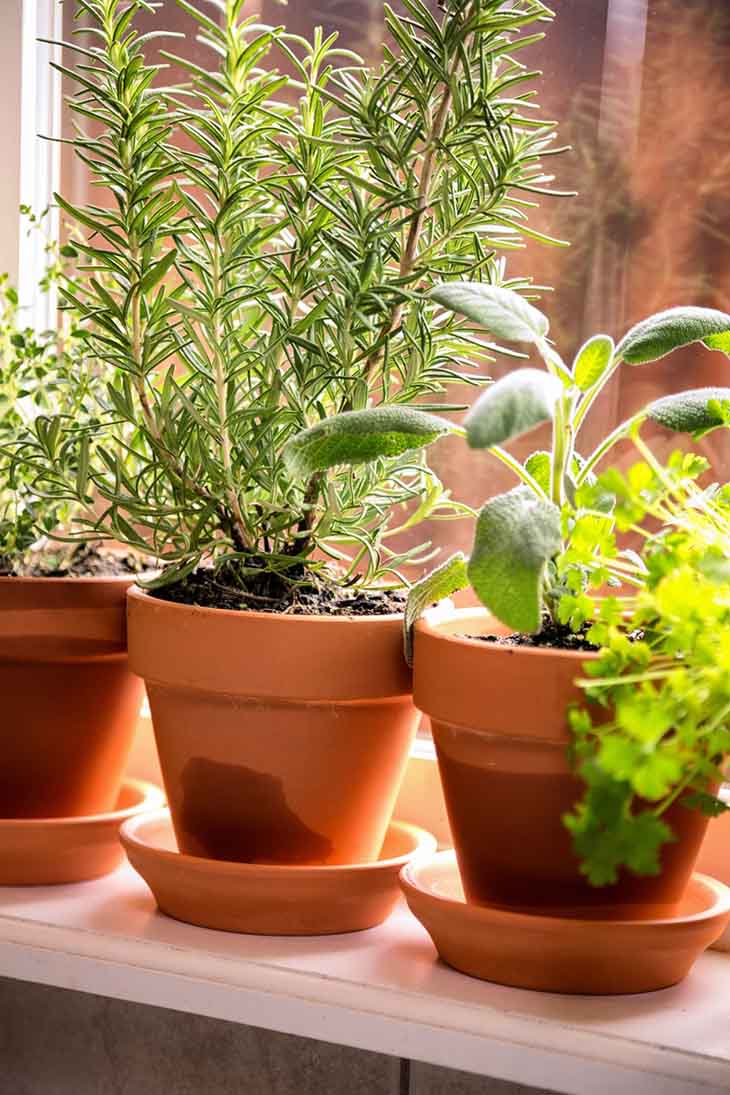
How to maintain the rosemary plant so that it lasts a long time?
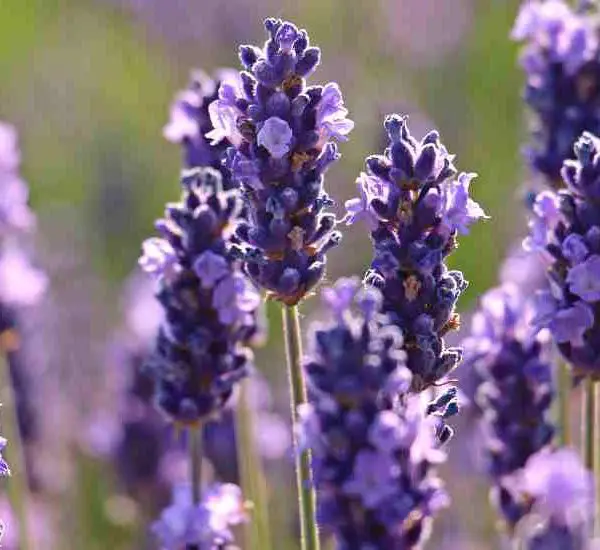
Keeping your aromatic plant alive as long as possible depends on how you care for it. To do this, we suggest that you apply the following treatments to continue enjoying its aroma, which has nothing to envy of the scent of a good lavender or peace lily plant.
Take into account the amount of sunlight your rosemary receives
While rosemary tolerates fairly shaded areas, it thrives best when exposed to full sun . If you bring it indoors, prefer to place it in a fairly sunny area.
Consider the soil requirements for growing rosemary
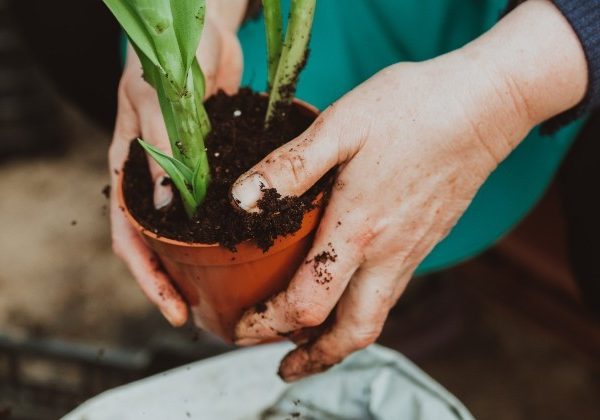
Wet soil must be avoided to make rosemary plants thrive because although they are very tolerant of most conditions to which they are exposed, soil that is too wet is detrimental for them. The best is to favor well-drained and sandy soil.
The rosemary plant prefers fairly calcareous soil which will allow it to be more resistant and give small, fragrant leaves. Avoid poorly drained soils such as clay soils which can be fatal for rosemary in the winter season.
The flowering period is conducive to the good growth of the plant and it is therefore the ideal time to fertilize it regularly. If you want the best foliage to harvest, use liquid fertilizer once a month from April until September.
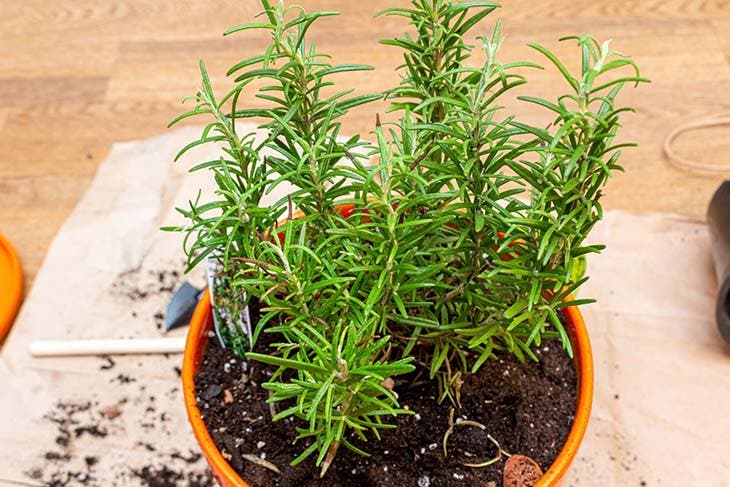
The right amount of watering to make rosemary last
Let us point out from the outset that rosemary does not need a lot of water because it is a plant that is particularly resistant to drought. You will only need to water the plant if you notice that the soil or compost is completely dry.
It should also be noted that excessive watering will be responsible for browning the tips of green leaves. Overwatering will only rot the roots, which will lead to the death of the plant. As soon as you notice brown tips, stop watering immediately and allow the soil to dry completely before resuming watering sparingly.
Consider temperatures to protect rosemary
As we mentioned, rosemary mostly prefers sun. Nothing could be more surprising for a plant native to the Mediterranean basin with a temperate climate. But during harsh winters, it’s a different story since it is in these conditions that we must further protect the plant and take care to shelter it. While it is true that it can withstand frosts and low temperatures, it cannot withstand more if the cold climate is accompanied by humidity and wind. Additionally, potted plants are generally less resistant to these conditions than planted ones.
Also, a young plant only becomes hardy, that is to say resistant to cold, if it exceeds 3 years. Period during which it needs more protection in winter.
To winter them wisely, it is best to keep them in containers indoors. If you prefer to leave them outside, make sure to place them in a shaded area to prevent the impact of icy winds. So don’t hesitate to use containers to protect your rosemary plants.
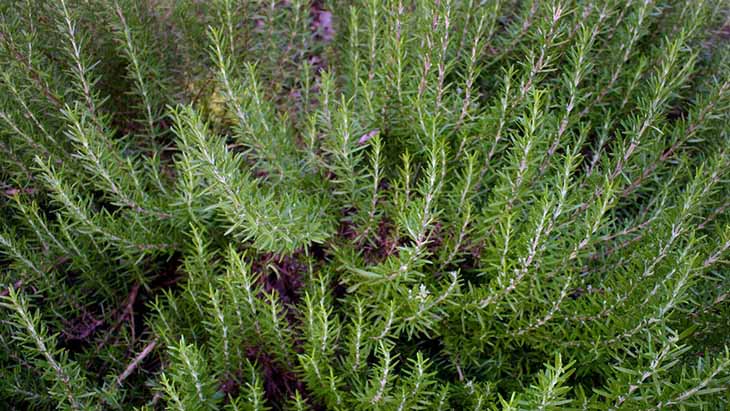
Protect the rosemary plant from insects
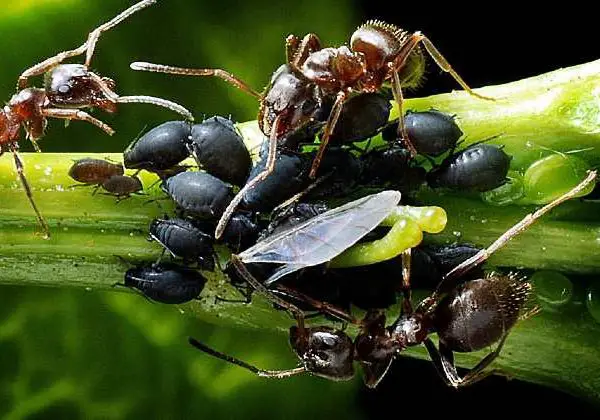
Although the rosemary plant is particularly resistant to insects and other types of parasites, it is essential to maintain it, especially if it is attacked by caterpillars or leaf beetles. You can remove the insects by hand and treat the plant with black soap.
Manage the size of the rosemary plant
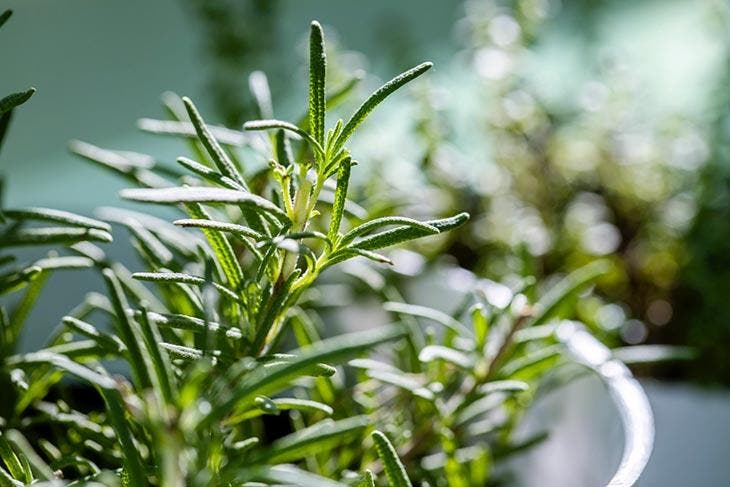
Maintaining your rosemary plant so that it lives longer also means not forgetting an often neglected criterion which is the size of its branches. The weakest of them should be cut off as well as those that have become too wide or too large. It will then be appropriate to prune the plant at the level of the lateral stems and to do this preferably during winter or after flowering.