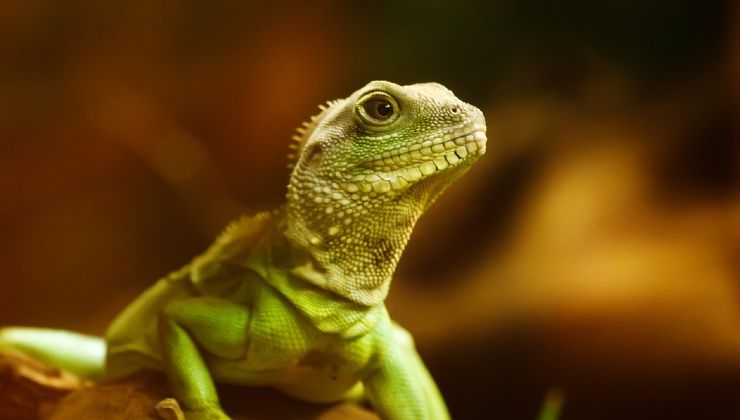
Lizards are fascinating and often charming creatures that can be found in gardens, yards, and sometimes even inside our homes. But what happens when they find their way indoors? Do you know where they come from and how they manage to enter? In this article, we will explore their secret hiding spots and share tips on how to safely help them return to the outside world.
Where Do Lizards Come From?
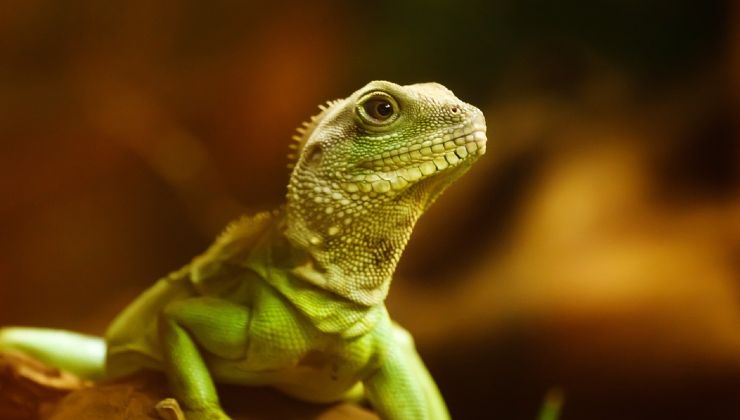
Lizards are diurnal animals, meaning they are most active during the day, particularly in the sunlight. Their agility and ability to climb make them excellent at reaching places other creatures might struggle with. They can scale walls, tree trunks, and various vertical surfaces, which is key to understanding how they enter our homes.
One of their favorite entry points is cracks and crevices in the foundation of a house. Lizards can slip through surprisingly small openings, thanks to their flexible bodies. These cracks are often found in basements, garages, or even along door frames. Once inside, they can continue to hide in spots that are difficult for us to find, such as behind furniture, within the folds of curtains or awnings, or even in unused boxes and bags.
Why Do Lizards Come Inside?
Lizards are attracted to places with an abundant food supply. Since they primarily feed on insects like flies, mosquitoes, and moths, homes with gardens or plants that attract these pests provide an excellent food source. If they find an abundance of insects near or inside your house, it’s no surprise that lizards might decide to move in.
Their ability to camouflage with their surroundings makes them even harder to spot, which is why you might not notice them right away. However, once inside, they tend to stay hidden in these secluded spots, making it difficult to know where they are.
How to Help Lizards Find Their Way Out
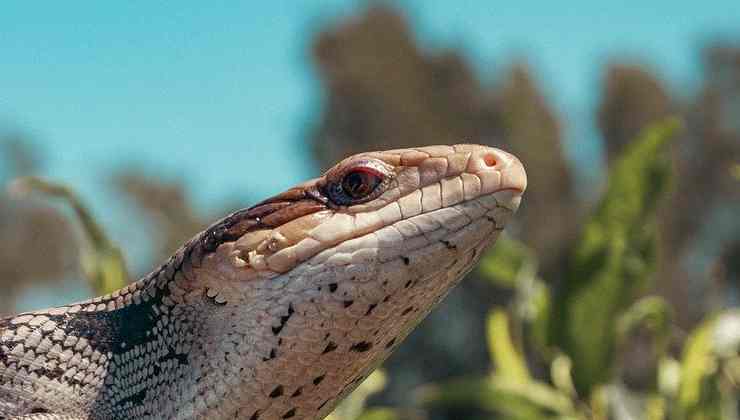
While it can be surprising to find a lizard inside your home, it’s important to remember that they are harmless creatures and play a beneficial role in the environment by controlling insect populations. If you prefer not to share your living space with these reptiles, here are a few ways to help them out:
- Seal Entry Points: To prevent lizards from entering in the future, check your home for cracks and openings. Use materials like silicone or putty to seal gaps in walls, floors, or around windows and doors.
- Maintain Cleanliness: Keeping your home free of waste and clutter, both inside and outside, can reduce the number of insects that attract lizards. Good hygiene in the garden, such as trimming plants and removing fallen leaves, can also help.
- Help Them Escape: If you find a lizard inside, don’t panic! These creatures are harmless, and they can be safely removed. Using a strainer or tray, gently capture the lizard and release it outside. Once outside, it can continue its role in nature without disturbing your living space.
Conclusion
Lizards may seem mysterious, but their secret entrances are often just cracks and crevices in our homes. By understanding where they hide and why they enter, you can take simple steps to keep your home lizard-free. Remember, though, that these creatures are part of the natural ecosystem and are beneficial to have around. If you encounter one indoors, a little compassion and a gentle hand will allow them to return safely to their environment.