June is a critical month for grapevine care, especially when it comes to feeding. During this period, grapes are in the midst of flowering and fruit setting, making it essential to provide them with adequate nutrients to support healthy growth and abundant yields.
Why Feeding Grapes in June is Important:
- Flowering and Fruit Formation: Grapes actively bloom and set fruit in June. They require sufficient nitrogen, phosphorus, and potassium for these processes.
- Immunity Boost: Proper nutrition enhances grapevine resistance to diseases and pests, crucial during the vulnerable flowering and fruiting stages.
- Enhanced Fruit Quality: Balanced nutrition contributes to larger, juicier, and sweeter berries, improving overall fruit quality.
Recommended Fertilizers:
To effectively feed grapes in June, consider using complex mineral fertilizers that contain a balanced ratio of nitrogen, phosphorus, and potassium:
- Ammonium Nitrate: Provides nitrogen and potassium. Use 20-30 g per 10 liters of water.
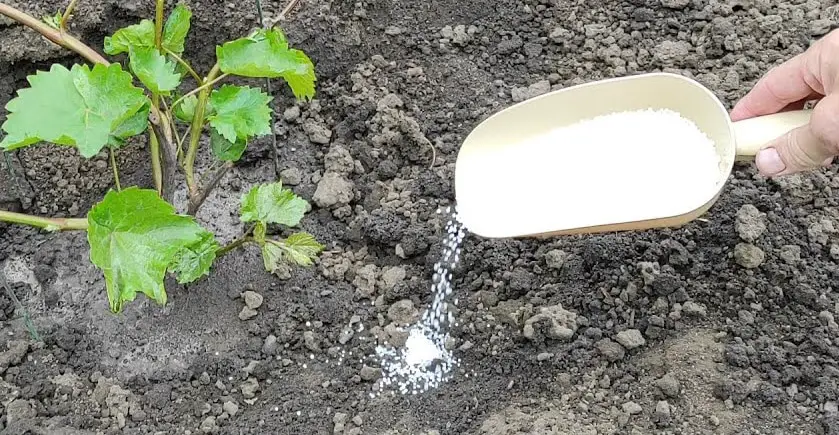
- Superphosphate: Rich in phosphorus, essential for flowering and fruiting. Apply at a rate of 40 g per 1 m² of soil.
- Potassium Sulfate: Supplies potassium, which enhances fruit quality. Apply 20-30 g per 10 liters of water.
When and How to Apply Fertilizer:
- First Feeding (Before Flowering): Apply a complex mineral fertilizer containing nitrogen, phosphorus, and potassium. Water around the base of each grapevine to ensure the nutrients reach the root zone.
- Second Feeding (After Flowering): Focus on phosphorus and potassium. Nitrogen needs decrease post-flowering, so adjust the fertilizer composition accordingly.
- Application Methods: Fertilize grapes through root irrigation or foliar spraying. Ensure the soil is adequately moistened before application to maximize nutrient absorption.
Feeding Recommendations:
- Moisturize Soil: Water the soil around grape bushes thoroughly before fertilizing.
- Use Quality Fertilizers: Choose reputable fertilizers and follow the recommended application rates to avoid overfeeding.
- Avoid Overfertilization: Excess fertilizer can harm grapevines. Follow dosage instructions carefully.
- Mulching: After feeding, mulch around grape bushes to retain moisture and suppress weeds.
Additional Tips:
- Variety and Soil Considerations: Adjust fertilizer choice based on grape variety, vine age, and soil conditions. Consult with a gardening expert for personalized advice.
- Consultation: When in doubt, seek advice from a specialist to tailor feeding practices to your specific grape-growing conditions.
By adhering to these feeding guidelines, you can ensure your grapevines receive the necessary nutrients for robust growth and a fruitful harvest. Enjoy the process of nurturing your grapes and anticipating a rewarding yield of delicious grapes to share with loved ones.