Basil is a crucial ingredient in many kitchens, especially in Italian gastronomy, but what happens when it turns rotten? Don’t worry—reviving your basil is easier than you think. Follow this ancient trick used by gardeners to restore its freshness!
The Importance of Basil

Basil isn’t just a flavorful herb—it’s also packed with benefits. This herb is known for its anti-inflammatory properties, which help reduce pain and inflammation in the body. It also boasts antioxidant properties, protecting your cells from free radicals and reducing the likelihood of heart disease, cancer, and diabetes.
Basil is also an antimicrobial, helping prevent the growth of harmful bacteria, viruses, and fungi. It is especially beneficial for fighting localized infections in the respiratory and urinary systems. Additionally, basil aids in digestion, helping to soothe stomach aches, and it has relaxing properties to reduce stress and anxiety.
Why Does Basil Rot?
While basil is a valuable plant, it’s not always the easiest to grow, and it can become rotten if not properly cared for. One of the main reasons basil begins to rot is overwatering. Excess moisture can lead to fungal diseases, which in turn cause the leaves to wilt and rot.
How to Revive Rotten Basil

If your basil has gone bad, don’t panic. Here are the steps to revive it in just a few minutes:
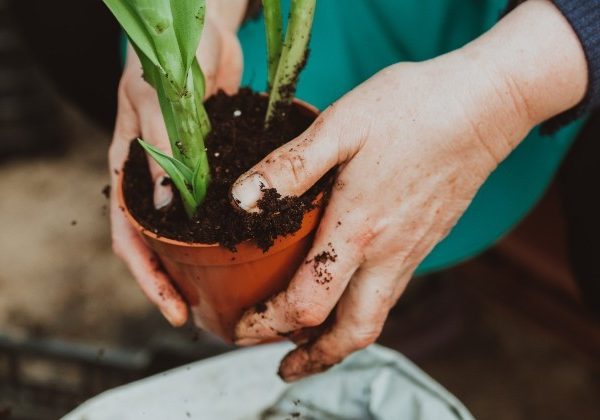
- Examine the Soil: Basil needs well-drained soil rich in nutrients. To prevent future rot, ensure the soil is healthy and well-drained.
- Use Organic Fertilizer: Enrich the soil with compost or vermicompost to encourage healthy growth. Alternatively, you can use a liquid organic fertilizer every two weeks for a boost.
- Manage Nitrogen Levels: Basil is sensitive to excess nitrogen, which can encourage fungal diseases and pests. Avoid overwatering and adding too many fertilizers.
- Water Correctly: Basil needs regular, consistent watering, particularly in hot and dry climates. Water your basil once a day, ensuring the soil remains moist but not soaked. Check the soil’s moisture level—if it’s damp but not waterlogged, it’s time to stop watering.
- Ensure Proper Drainage: Make sure your pot has drainage holes to allow excess water to escape. This will help prevent water from accumulating and causing the basil to rot.
- Avoid Wetting the Leaves: When watering, avoid getting water directly on the basil leaves. Instead, clean the leaves gently, which will help prevent the spread of fungal diseases.
Conclusion
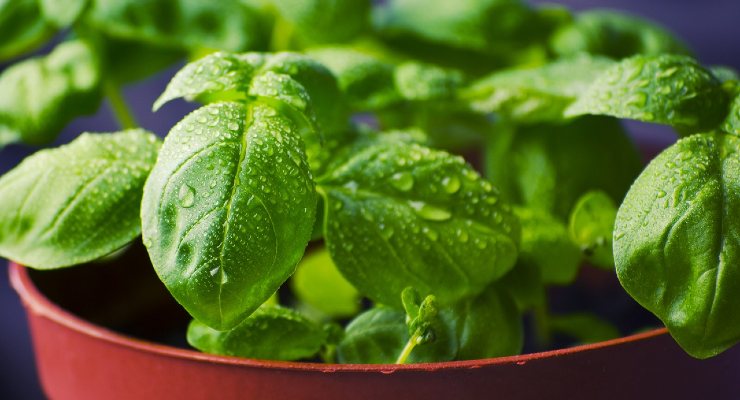
With just a few simple steps, you can revive your rotten basil and restore its health. Whether you’re using it in your favorite dishes or benefiting from its medicinal properties, basil is a valuable addition to any garden. Just make sure to give it the right care, and it will continue to thrive!