Reuse of Egg Cooking Water for Plant Care:
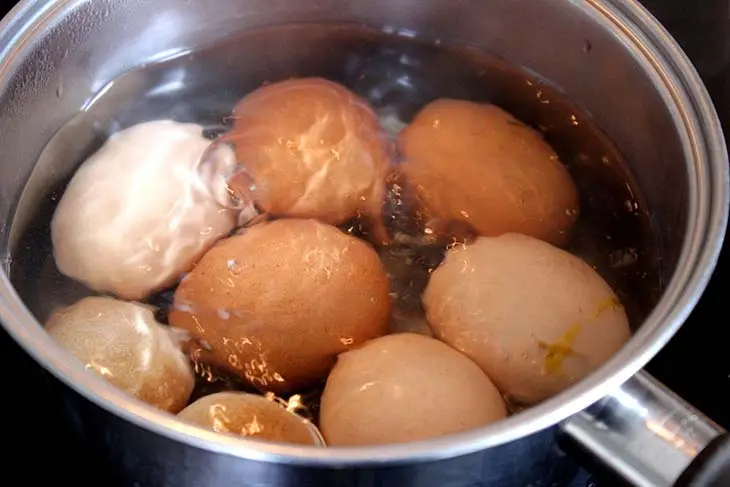
The water used to boil eggs possesses valuable nutrients that can be repurposed for the benefit of your plants. Instead of discarding this water, consider using it to nurture your potted plants, houseplants, or garden flowers.
Procedure:
- Collect the Egg Cooking Water:
- After boiling eggs for your meal, allow the water to cool to room temperature.
- Pouring onto Plant Soil:
- Once the egg cooking water has cooled, pour it onto the soil of your plants.
- Benefits:
- Organic Calcium Boost: The eggshells release organic calcium during boiling, strengthening the plant’s root system.
- pH Balance: Helps maintain the pH balance of the soil.
- Mineral Salts: The shells release mineral salts that are nutritious for the plant.
- Frequency:
- Avoid excessive use; one watering per month is generally sufficient to promote plant growth.
Note:
- Do not salt the egg cooking water, as excessive salt is not well-tolerated by certain plants.
Additional Plant Care Tips:
- Sugar and Vinegar Solution:
- Boil ¼ liter of water, and once warm, dilute two teaspoons of vinegar and three teaspoons of sugar in the water. Pour this solution onto the plant as a natural fertilizer.
- Coffee Grounds:
- Coffee grounds are rich in nitrogen, phosphorus, and vitamins. Spread them on the soil as a natural fertilizer and repellent against flies and worms.
- Vegetable Cooking Water:
- The water used to boil vegetables contains essential vitamins for plant health. For example, cooled potato water can act as an effective weedkiller when poured onto weeds.
Conclusion:
- Embrace eco-friendly alternatives to chemical fertilizers by reusing kitchen water resources. The water used to boil eggs, vegetables, or other ingredients can provide valuable nutrients for your plants, contributing to their health and growth. By adopting such practices, you engage in sustainable gardening while minimizing waste.
Show Comments