Zucchini is a beloved vegetable, known for its versatility in the kitchen and its delicate flavor. While growing zucchini is not difficult, it does require attention and care to ensure a bountiful harvest. In this article, we’ll explore the best practices for growing zucchini, maintaining healthy plants, and the essential task of removing the secondary shoot to promote optimal growth and a larger yield.
The Importance of Proper Zucchini Care
Zucchini plants come in different varieties, from the classic green to yellow and even white. Choosing quality seeds from a certified source is crucial to ensure strong, disease-resistant plants. Zucchini thrives in sunlight, so it’s important to plant them in a sunny spot where they can receive at least 6 hours of sunlight daily. The soil should be fertile, moist, but well-drained, to avoid root rot.
Once the plants reach about 20 cm in height, thinning out weaker shoots is recommended to give the healthier ones more space and nourishment. Additionally, removing excess leaves and male flowers is important to avoid crowding and to focus the plant’s energy on producing fruit.
The Secondary Shoot: What You Need to Know
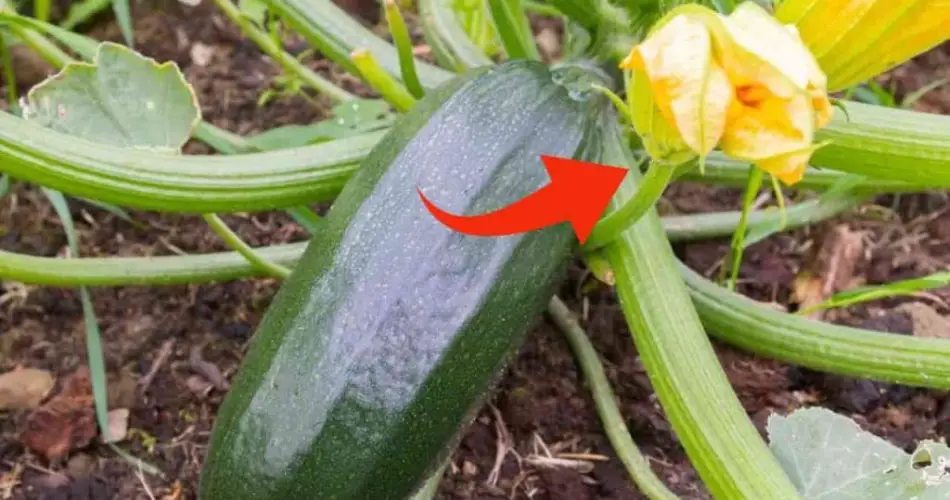
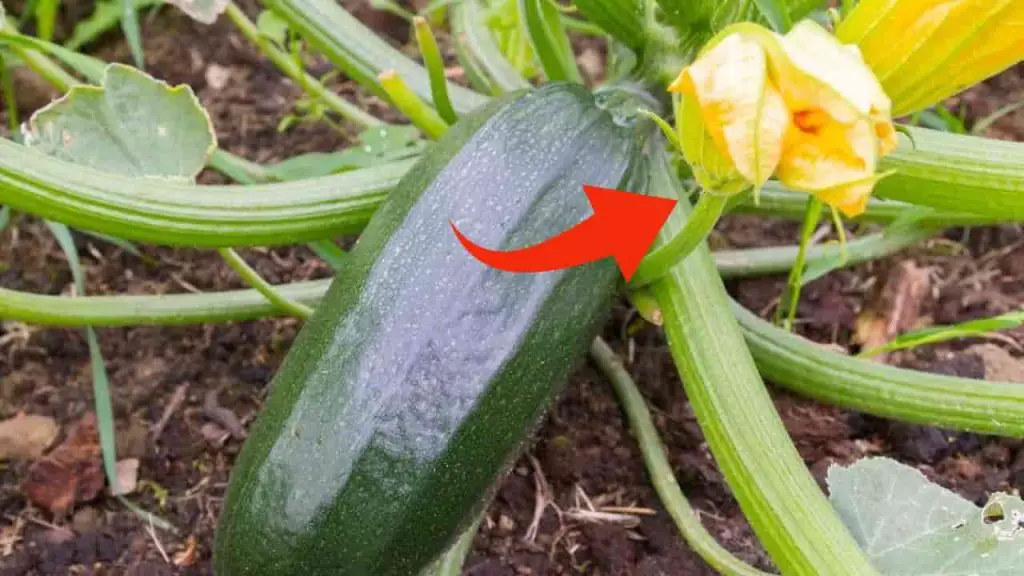
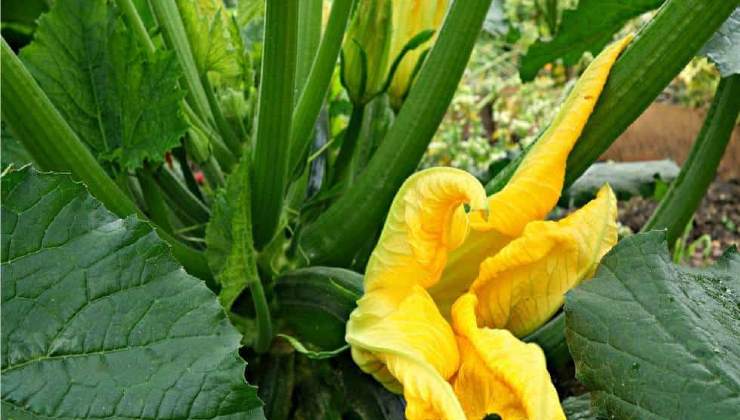
Zucchini plants often produce secondary shoots, which are offshoots that grow alongside the main stem. While these shoots are not inherently harmful, they can divert the plant’s energy away from growing the main fruit, potentially resulting in smaller or fewer zucchinis. To promote better growth, removing these shoots is a common practice.
How to Properly Remove the Secondary Shoot
To remove the secondary shoot effectively, follow these steps:
- Identify the Secondary Shoots: These shoots usually grow in the axils of the leaves. They are not as strong as the main stem and can hinder the development of the main plant if left unchecked.
- Use Sharp Scissors: Using a clean, sharp pair of scissors, carefully cut the secondary shoot about 1-1.5 cm away from the main trunk. This ensures a clean cut that won’t damage the plant.
- Don’t Remove All Shoots: It’s important not to cut all secondary shoots. Some of these shoots can help support the growth of the plant. Removing only the excess ones ensures the plant remains productive without being overcrowded.
What to Do With the Secondary Shoot?
While removing the secondary shoots can improve plant health and yield, you don’t have to throw them away. The secondary shoot of zucchini is a valuable ingredient for various culinary uses. It’s packed with water, vitamins, and minerals that can enhance your dishes.
- Incorporate into Dishes: Once cleaned and chopped, the secondary shoot can be added to salads or used as a base for sauces for meats or fish.
- Make Crunchy Snacks: If you have picky eaters, you can slice the secondary shoots into strips and dry them in the oven, creating a healthy, crispy snack similar to zucchini chips.
Other Tips for Zucchini Plant Care
- Watering: Zucchini plants require regular watering, but be careful not to overwater. During hot weather, water more frequently, but in cooler conditions, once a week may suffice.
- Organic Fertilizers: Enhance plant growth with organic compost or natural fertilizers. This will provide essential nutrients for the zucchini’s development without adding chemicals that could stress the plant.
- Remove Excess Leaves: Too many leaves can block sunlight and air circulation. Regularly prune excess foliage to keep the plant healthy and encourage fruit production.
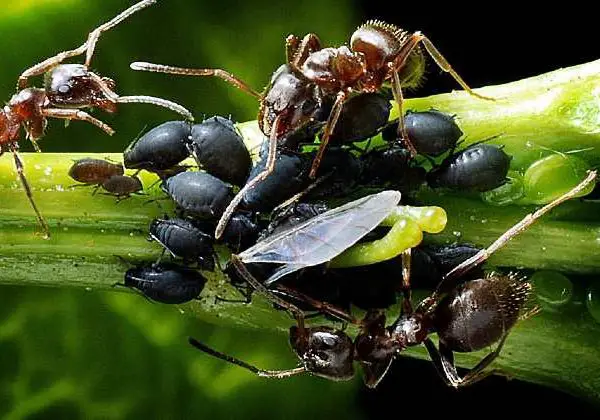
- Watch for Pests: Aphids, whiteflies, and other insects can attack zucchini plants. Keep an eye out for pests and remove them promptly to avoid damage.
Conclusion
By properly managing the growth of your zucchini plants and removing the secondary shoots, you can encourage better fruit production and healthier plants. Remember, this practice ensures the plant focuses its energy on producing larger, more flavorful zucchinis. Plus, don’t forget to use the secondary shoots in the kitchen—they’re an underrated but delicious part of the vegetable!