The lemon tree, a member of the Rutaceae family, is a fruit tree native to Asia. Known for its fragrant white or pink flowers, the lemon tree can produce fruit several times a year. To maximize fruit production and protect the tree from disease, proper pruning is essential. Learn when and how to prune your lemon tree to encourage healthy growth and an abundant harvest.

How to Successfully Prune a Lemon Tree
Pruning your lemon tree correctly will ensure balanced foliage and optimize fruit production. There are three main types of pruning to consider:
- Formative Pruning:
This pruning is done when the tree is still young, with the goal of giving it a healthy, aesthetic shape. Formative pruning sets the framework for the branches that will support future growth and fruiting. - Maintenance Pruning:
Performed during the tree’s growth phase, maintenance pruning should be done every 2 years. It involves removing dead wood and any branches that are out of place, which helps promote air circulation and allows the tree to capture more light. It is best to perform this pruning after fruiting to avoid disrupting the harvest. - Fruiting Pruning:
This type of pruning, typically done when the lemon tree is 3 years or older, focuses on improving citrus production by trimming branches that may be overcrowded or unproductive.
The Ideal Times to Prune Your Lemon Tree
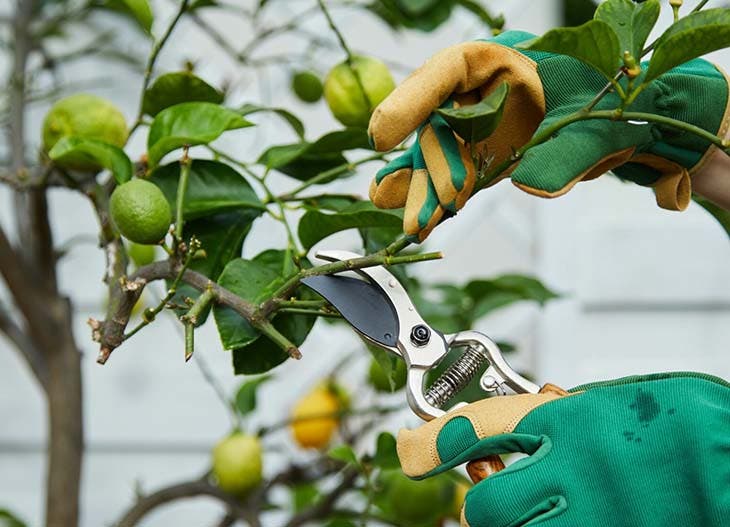
There are three key times to prune your lemon tree for optimal results:
- End of Winter:
Pruning at the end of winter helps prepare the tree for the upcoming growing season and ensures healthy growth. - After Fruiting:
Once the fruiting cycle is complete, prune the tree to help it recover and prepare for the next cycle. - Before Flowering:
Pruning before flowering encourages the development of healthy buds and strong branches.
Additionally, you can prune your lemon tree about one month after the appearance of new shoots, as the tree can fruit and flower up to 8 months a year.
The Method for Pruning a Lemon Tree

Follow these steps for effective pruning:
- Use Clean, Sharp Pruning Shears:
Always use sharp and disinfected pruning shears to make clean cuts that will heal quickly and prevent the spread of disease. - Focus on the Tree’s Shape:
When pruning, aim to preserve the framework branches—the strong branches that extend from the trunk. These branches are essential for the tree’s overall structure and fruit production. - Remove Low and Crossing Branches:
Cut away any branches that grow too low or cross over each other. This will prevent them from crowding and allow the tree to grow more efficiently. Also, remove any twigs that are growing toward the center to improve air circulation. - Avoid Cutting Into Leaf Axils:
The leaf axils are where new buds form. Avoid cutting into these areas to allow for the growth of new shoots. - Remove Suckers:
Suckers are non-productive branches that grow from the trunk. They take energy away from the tree’s main stems and prevent sap from circulating properly. Pinch them off as soon as they appear to focus the tree’s energy on fruit-bearing branches.
How to Maintain a Lemon Tree
A healthy lemon tree requires regular care. Here are some tips for maintaining your tree:
- Location:
Lemon trees need plenty of sunlight—ideally 7 to 8 hours a day. They thrive in slightly acidic and well-drained soil. Protect them from cold temperatures, as they are not frost-hardy. - Watering:
Water your tree with non-calcareous water at room temperature, such as spring water. Be sure the soil is dry before watering again to prevent root rot. - Fertilizing:
During the growth period, feed your lemon tree with a special citrus fertilizer every 15 days to boost fruit production. - Pest Control:
Keep an eye out for pests such as cochineal, which leaves white deposits, or aphids, which can distort leaves. Additionally, watch for brown rot, a fungal disease that can affect your tree. Protect your tree from these pests to ensure healthy growth and fruiting.
By mastering the pruning techniques for your lemon tree, you can encourage more fruit production, healthier growth, and a more vigorous tree overall. With proper care, your lemon tree will reward you with abundant harvests for years to come.