The scorching heat of summer poses a significant challenge for gardeners and plant enthusiasts alike. As plants rapidly lose moisture under the intense sun, they risk wilting and even perishing. However, with the right strategies, you can help your plants not only survive but thrive, ensuring a fruitful harvest.
In Open Ground:
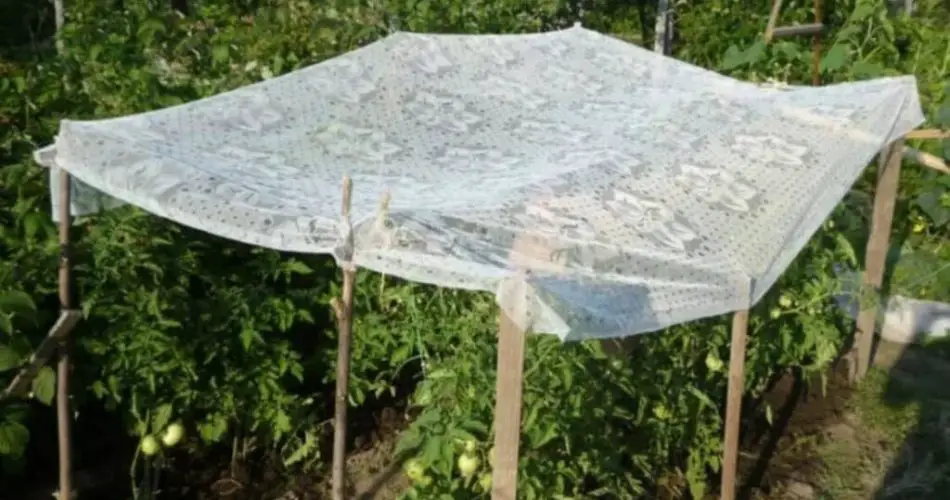
- Create Shade: Shield plants from direct sunlight by setting up canopies made from light covering materials like old white sheets. This simple solution effectively reduces sun exposure and prevents heat stress.
- Mulch the Soil: Apply mulch such as sawdust, straw, mowed grass, or expanded clay around plants. Mulching helps retain soil moisture, regulates soil temperature, and reduces water evaporation.
- Implement Automatic Watering: Install an automatic watering system with sprinklers. This not only ensures plants receive adequate moisture but also helps cool the surrounding air, creating a more favorable microclimate.
- Utilize Weeds: In hot weather, consider leaving some weeds. They can act as natural mulch, shading the soil, maintaining moisture, and reducing water loss through evaporation.
- Fertilize: Regularly apply potassium, phosphorus, and zinc fertilizers (5 g of zinc sulfate per bucket of water). These nutrients boost plant immunity, enhancing their resilience to drought conditions.
In the Greenhouse:
- Cover with Shade Cloth: Use burlap, dense non-woven materials like “Spunbond” or “Agrotex,” or apply a clay solution to cover the greenhouse. These materials provide shade, lowering the internal temperature and protecting plants.
- Internal Shading: Affix pieces of gauze or other light non-woven materials to the greenhouse walls. This additional layer of shading helps diffuse sunlight, reducing heat stress on plants.
- Install Light Protective Netting: Stretch a light protective net over the greenhouse. This not only shields plants from direct sunlight but also prolongs the life of the greenhouse structure itself.
- Ventilation: Ensure proper ventilation by opening all doors and windows of the greenhouse on hot days. This allows hot air to escape and cooler air to circulate, maintaining a more stable internal temperature.
- Watering Schedule: Water plants in the morning or evening when temperatures are lower. Pay special attention to young plants and moisture-sensitive crops like cucumbers, radishes, cabbage, and lettuce.
Caring for plants during periods of intense heat demands extra attention and effort. By adopting these practical strategies, you can safeguard your harvest and enjoy the rewards of a flourishing garden.
Wishing you a fruitful harvest!
Show Comments