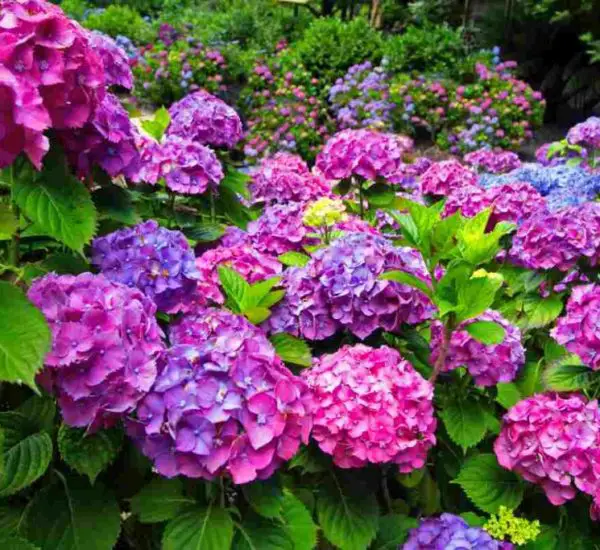
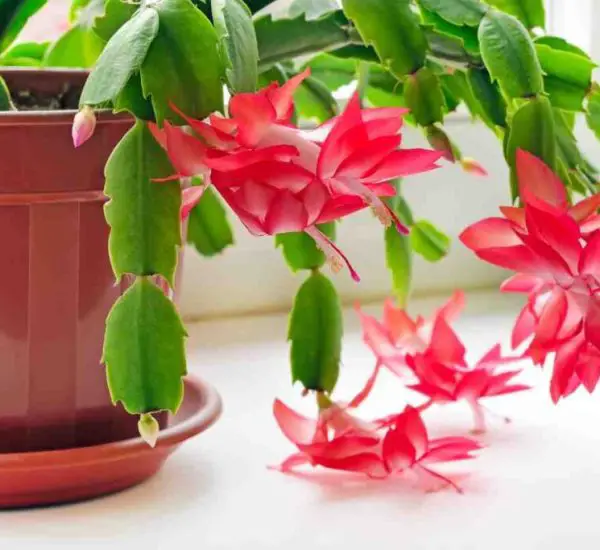
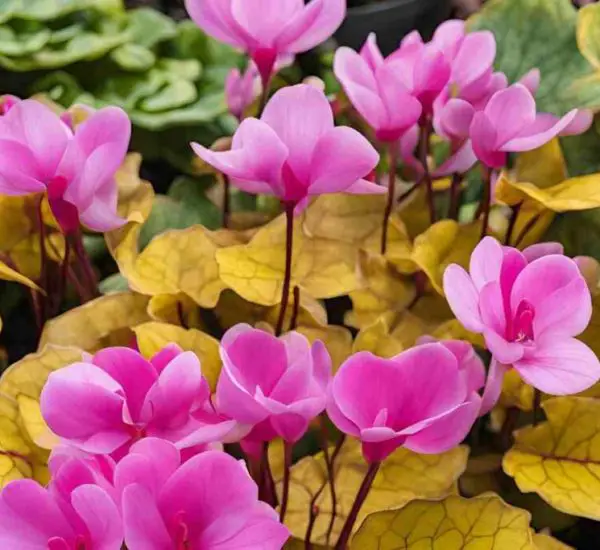
If you want your orchids, petunias, roses, geraniums, and many other plants to bloom continuously, the key is proper care and feeding. Let’s dive into the tips that will help your flowers thrive and blossom all season long!
🌱 General Tips for Thriving Flowers
While different plants have different needs for light, water, and nutrients, there are some essential guidelines that can help you maintain flourishing and ever-blooming plants. Whether you’re growing annuals like petunias, or perennials such as roses, these tips will ensure that your plants grow healthily.
🌼 Spring: The Ideal Season for Planting
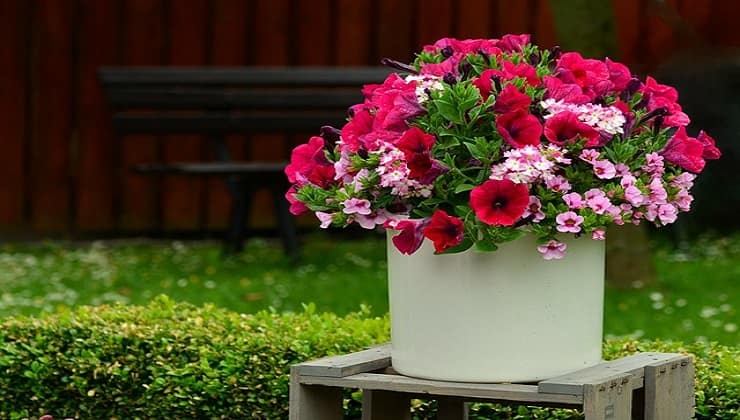
Spring is the perfect time to plant annual flowers like petunias, begonias, impatiens, and marigolds. These easy-to-grow plants will reward you with vibrant, colorful blooms.
Many perennials, such as irises, daffodils, and tulips, also bloom beautifully in the spring and will return year after year, creating a colorful and inviting garden.
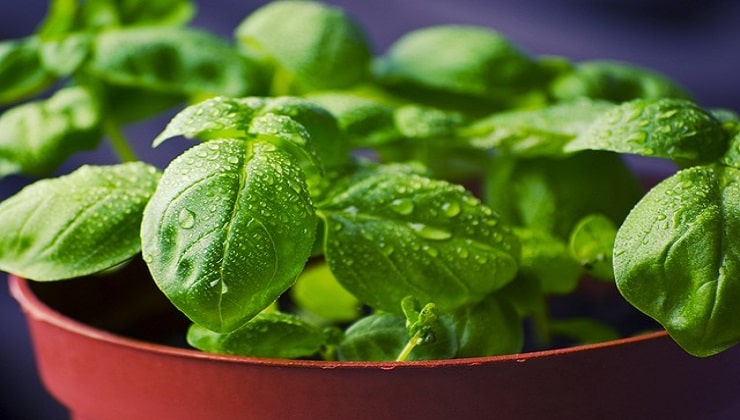
Even fruit trees can be planted in spring, giving them enough time to establish before the heat of summer. Don’t forget aromatic plants like basil, mint, rosemary, and thyme—perfect for adding flavor to your dishes and fragrance to your garden.
🌿 Understanding Plant Needs for Proper Care
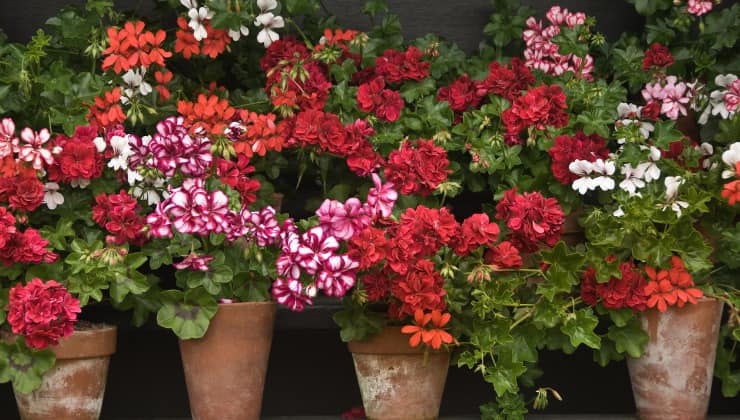
Each plant type has specific requirements. To keep them blooming, ensure that you provide adequate:
- Light: Most of these plants need at least 6 hours of direct sunlight per day. Roses particularly love the morning sun.
- Water: Check soil moisture regularly. Water your plants only when the soil’s surface is dry to the touch.
- Fertilization: Regular feeding is essential for encouraging continuous blooms.
Petunias, geraniums, and roses thrive with potassium-rich fertilizers, while orchids need specialized fertilizers suited for epiphytic plants (those that don’t root in soil).
🌸 Pruning and Fertilizing for Constant Blooms
Pruning is key to promoting healthy and continuous growth. Remove faded flowers and dead parts to stimulate the plant to produce new blooms. Regular pruning will keep plants looking fresh and encourage non-stop flowering.
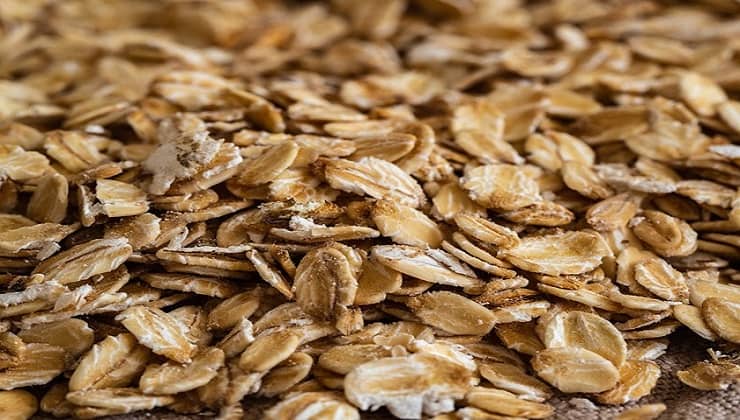
For optimal results, consider providing top dressing for your plants. This will give them the nutrients they need to flourish:
- Nitrogen for lush foliage growth
- Phosphorus for root development
- Potassium for vibrant blooms
- Micronutrients for overall health
🌿 How to Make Your Plants Bloom Non-Stop
Follow these steps to encourage active growth and a lush display of flowers:
- Sunlight: Ensure your plants are getting enough sunlight each day.
- Watering: Avoid over or under-watering. Regularly check soil moisture.
- Top Dressing: Add nutrients to the soil to promote healthy root growth and vigorous flowering.
🌾 A Natural Top Dressing for Lush Growth
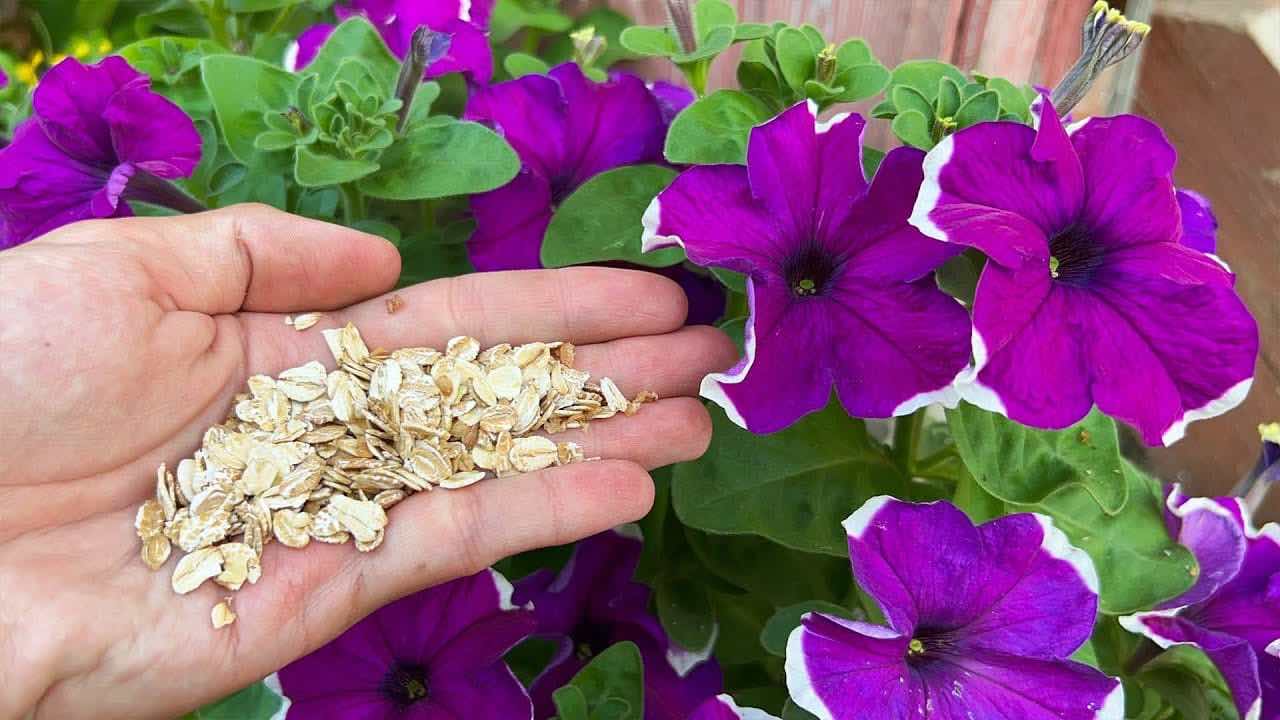
To help restore even yellowed or fragile flowers, consider using oat flour as a natural fertilizer. Here’s how to make the dressing:
- Take half a glass of oat flakes and pour them into a 1-liter jar.
- Fill the jar with warm water, covering the oats, and let it rest for 2-3 days.
- Filter the solution and dilute it with 4 parts water for every 1 part liquid.
- Apply this solution directly to the roots of your plants.
For a larger batch, mix 10 liters of water with 1 cup of oatmeal and let it infuse for 3 days. Stir every few days, and then use this solution to water your plants.
🌸 Final Thoughts: Keep Your Flowers Blooming All Year Long
By following these simple and natural tips, you can ensure that your orchids, petunias, roses, geraniums, and other garden plants bloom beautifully throughout the season. Proper sunlight, watering, pruning, and fertilizing will give you vibrant, healthy plants with continuous flowers—making your garden the envy of everyone! 🌸🌿