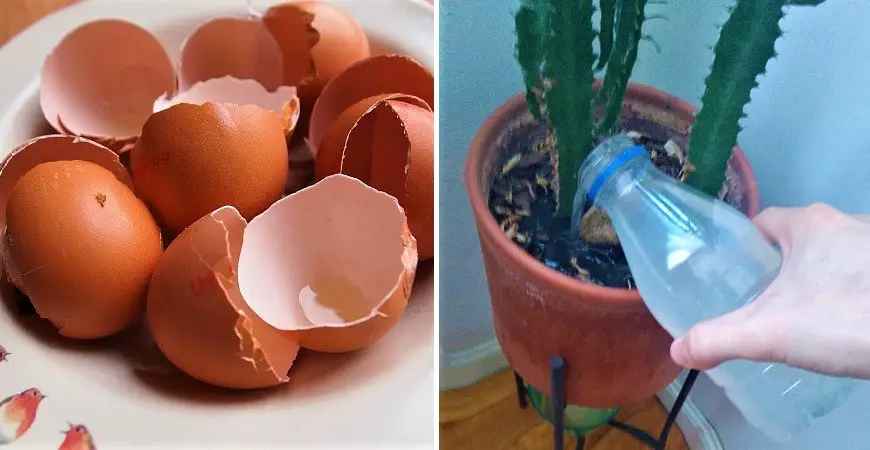
Fertilizers are essential for replenishing the nutrients that plants need, which can be lost from the soil over time due to rain and other factors. While commercial fertilizers are widely available, there’s a growing trend towards using organic, homemade solutions. One highly effective and easy-to-make fertilizer is eggshell tea, thanks to the calcium-rich eggshells.
Here’s a simple guide to creating your own eggshell tea fertilizer, which will help your plants thrive.
Ingredients Needed:
- 2 liters of water
- Shells from 6 eggs
- Epsom salt or magnesium sulfate
- A plastic bottle
- A strainer
Step-by-Step Procedure:
- Prepare the Eggshells:
- After using the eggs, thoroughly clean the shells and remove any leftover egg membrane.
- Crush the shells into small pieces, using a mortar and pestle or another method until they resemble coarse sand.
- Boil the Water:
- Bring 2 liters of water to a boil in a pot.
- Cook the Eggshells:
- Add the crushed eggshells to the boiling water.
- Let it simmer for about 5 minutes.
- Add Epsom Salt:
- Stir in approximately 15 grams (or one tablespoon) of Epsom salt, which is rich in magnesium and beneficial for plant health.
- Cool and Rest:
- Remove the pot from heat and allow it to cool.
- Cover the pot and let the mixture sit in a cool, dry place for 24 hours to steep.
- Strain and Store:
- After 24 hours, strain the liquid to remove the eggshell residue.
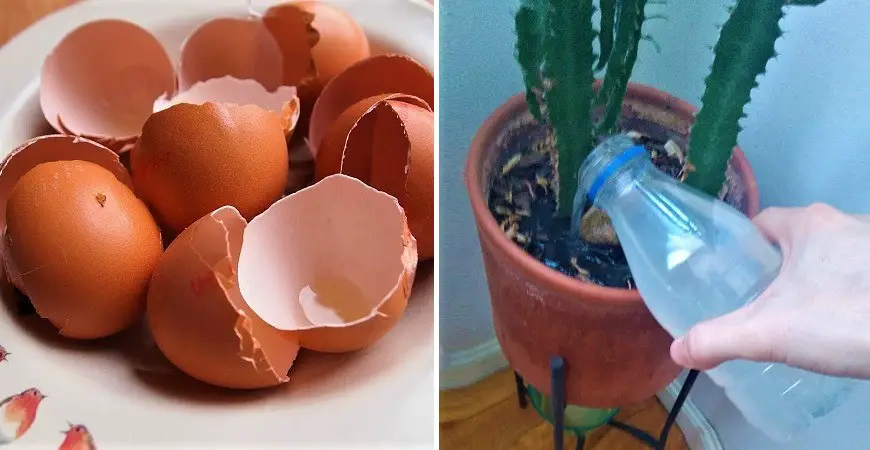
- Pour the strained liquid into a plastic bottle for easy use.
- Use the Fertilizer:
- Water your plants with the eggshell tea once a month.
- Store any leftover liquid in a shady spot and shake before each use.
- Dispose of the Residue:
- The leftover eggshells can be used around plants to deter snails and slugs.
Understanding Fertilizers

Fertilizers are categorized into three main types: organic, chemical, and natural. Here’s a brief overview:
- Organic Fertilizers:
- Derived from animal or vegetable sources, these are applied directly to the soil. They improve soil structure and help control pests. Examples include compost, manure, and green manures from cover crops.
- Chemical Fertilizers:
- These are synthetically produced and often contain concentrated nutrients. For instance, ammonium cyanate can be transformed into ammonium nitrate, which is rich in nitrogen. While effective, their use must be carefully managed to minimize environmental impact.
- Natural Fertilizers:
- These are made at home from everyday kitchen waste. Items like banana peels, coffee grounds, and eggshells provide essential nutrients and are eco-friendly options for enhancing plant health.
Using eggshell tea is a great way to give your plants a natural boost. It’s simple, effective, and makes use of an item that might otherwise be discarded. Enjoy the benefits of this homemade fertilizer and watch your plants flourish!