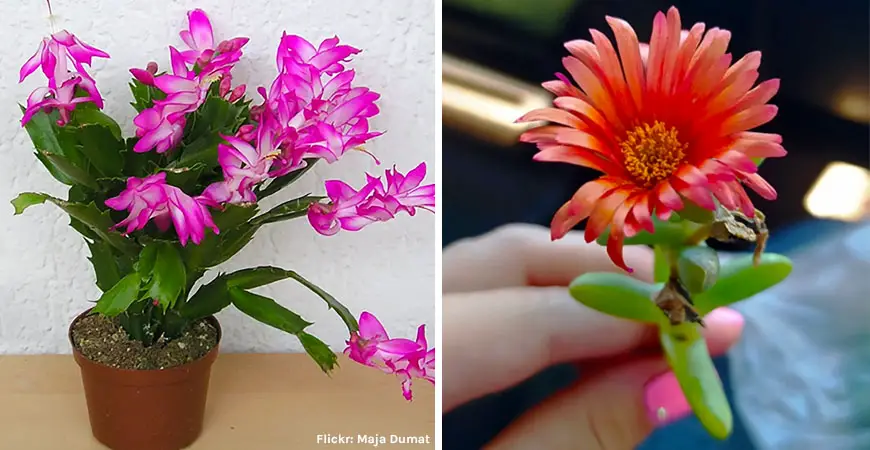
Succulents are a popular choice for home gardeners due to their striking appearance and minimal care requirements. However, if you’ve ever been fortunate enough to witness a succulent in bloom, you know it can be a spectacular sight. The diverse range of flowers these plants can produce—from tubular to star-shaped and bell-shaped—adds an extra layer of beauty to your home. Here are some tips to help encourage your succulents to bloom, even if you’re not an expert gardener.

1. Lighting

Succulent flowers thrive in sunlight. To ensure they bloom, gradually increase their exposure to prevent leaf burn. If temperatures exceed 32ºC (90ºF), move your succulent to a semi-shaded area to avoid excessive heat. As buds start to form, consider giving your plant an extra hour of sunlight each day. This extra light will stimulate flowering and help your succulent display its beautiful blooms.
2. Fertilizer
Proper fertilization is key to encouraging blooms. Use a fertilizer high in phosphorus and low in nitrogen, as this promotes flowering. Follow the recommended dosage carefully; too much fertilizer can harm your plant. Experts suggest fertilizing once a month. During blooming, you can use half the regular dose until flowering ceases.
3. Irrigation

While succulents are known for their drought tolerance, they do appreciate regular watering. Ensure you soak the soil thoroughly each time you water. Check soil moisture by inserting your finger about 4 cm (1.5 inches) into the soil—water again when the soil feels dry. If using tap water, let it sit for 24 to 48 hours before watering to allow chlorine to dissipate.
4. Age

Patience is essential when growing succulents. Some species may take years to bloom. More mature plants generally have a higher likelihood of flowering. Keep in mind that certain succulents bloom only once in their lifetime, but the wait is often rewarded with a spectacular display.
Succulents Known for Their Blooms
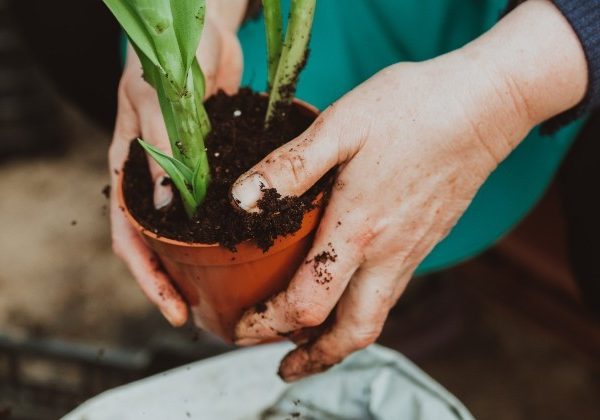
- Aloe Vera: Aloe Vera is renowned for its long blooming period. It produces bright orange flowers in the summer. When you notice a flowering stem beginning to form, your Aloe Vera is preparing to bloom. If grown in a pot, consider transplanting it to a larger container to support its flowering.
- Jade Plant: Although not typically associated with flowering, the Jade Plant produces charming star-shaped white flowers. The blooming period starts at the end of winter. Be patient, as it may take several years for the first flowers to appear.
- Echeveria: Echeverias are admired for their rosette-shaped leaves, which themselves resemble flowers. From these rosettes, a stem with pink succulent flowers emerges, adding a vibrant touch. These plants are often used in floral arrangements for their unique and beautiful blooms.
By following these tips and nurturing your succulents with the right care, you can enhance your chances of enjoying their stunning blooms and add a burst of natural beauty to your home.