Lavender is renowned for its aromatic flowers and its ability to enhance garden aesthetics. To ensure your lavender plant blooms beautifully and remains healthy, follow these tips for optimal care and maintenance.
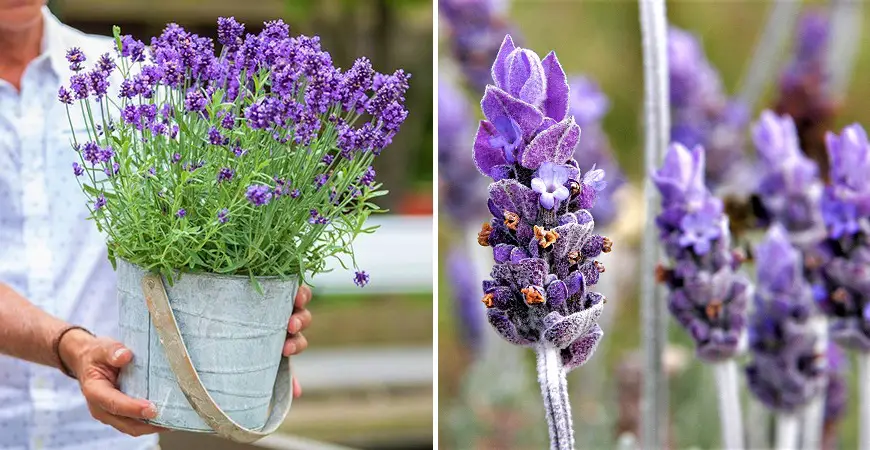
1. The Best Location
Sunlight Needs:
- Direct Sunlight: Lavender thrives in full sun, requiring at least 6-8 hours of direct sunlight per day. Choose a sunny spot in your garden or place it near a large window if growing in a pot.

Indoor Pots:
- Placement: Ensure that the pot receives ample sunlight. South-facing windows are ideal for indoor lavender plants.

2. A Wide Space
Growth Habits:
- Space Requirements: Lavender spreads more horizontally than vertically. Plant it in a spacious area to allow it to expand freely.
- Pot Size: If growing in a pot, choose one with a diameter of at least 40 cm to accommodate its growth.
3. No Fertilizer Needed
Nutrient Requirements:
- Natural Growth: Lavender typically grows well without additional fertilizer. Excessive fertilization can diminish its fragrance.
- Homemade Fertilizer: If you choose to fertilize, use homemade options like fruit peel compost sparingly. Over-fertilization can negatively affect aroma and growth.
4. Harvesting Its Petals
Uses:
- Aromatic Benefits: Lavender is perfect for creating sachets. After the flowers dry, wrap them in soft fabric or tulle and use them to scent closets or drawers.

5. Irrigation is Very Important
Watering Guidelines:
- Moderation: Water lavender only when the soil is dry. Check soil moisture by touching it with your fingers.
- Avoid Overwatering: Ensure that water does not touch the flowers or leaves to prevent rot. Watering once a week is usually sufficient.
- Drainage: Ensure good drainage to avoid waterlogging.
6. Pruning is Always Necessary
When to Prune:
- Timing: Prune lavender in early spring or autumn. Remove wilted or discolored flowers and leaves to encourage new growth and prevent disease.
- Cleaning: Regular pruning helps maintain plant health and promotes blooming.
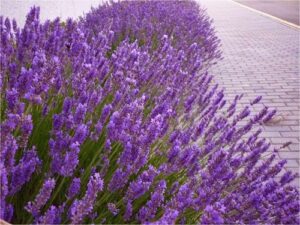
7. Always Harvest Its Flowers
Flowering Management:
- Optimal Harvesting: Harvest flowers when they are most vibrant and aromatic. This prevents the plant from using extra energy on spent blooms and encourages stronger future growth.
- Energy Conservation: Regular harvesting helps the plant direct its energy towards new blooms.
Additional Tips
- Soil Type: Lavender prefers well-draining soil. A sandy or gravelly mix is ideal. Avoid heavy, clayey soils that retain too much moisture.
- Mulching: Use gravel or sand mulch to help with drainage and keep weeds at bay.
- Winter Care: In colder climates, protect lavender from frost. Cover with mulch or move potted plants to a sheltered location.
By following these guidelines, you can enjoy a flourishing lavender plant that not only enhances your garden but also provides fragrant blooms for various uses.
Show Comments