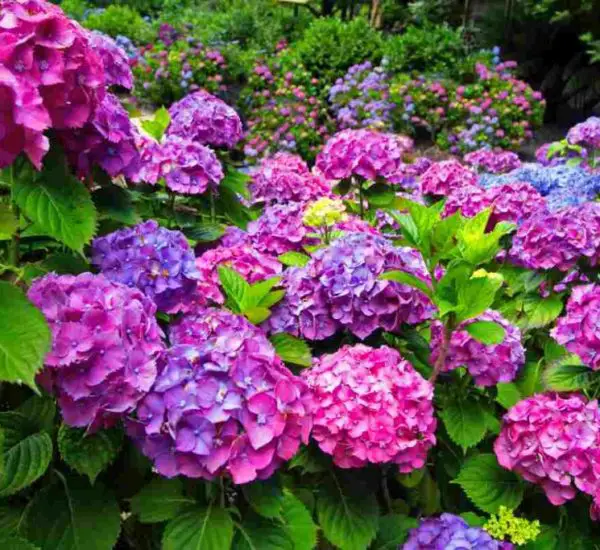
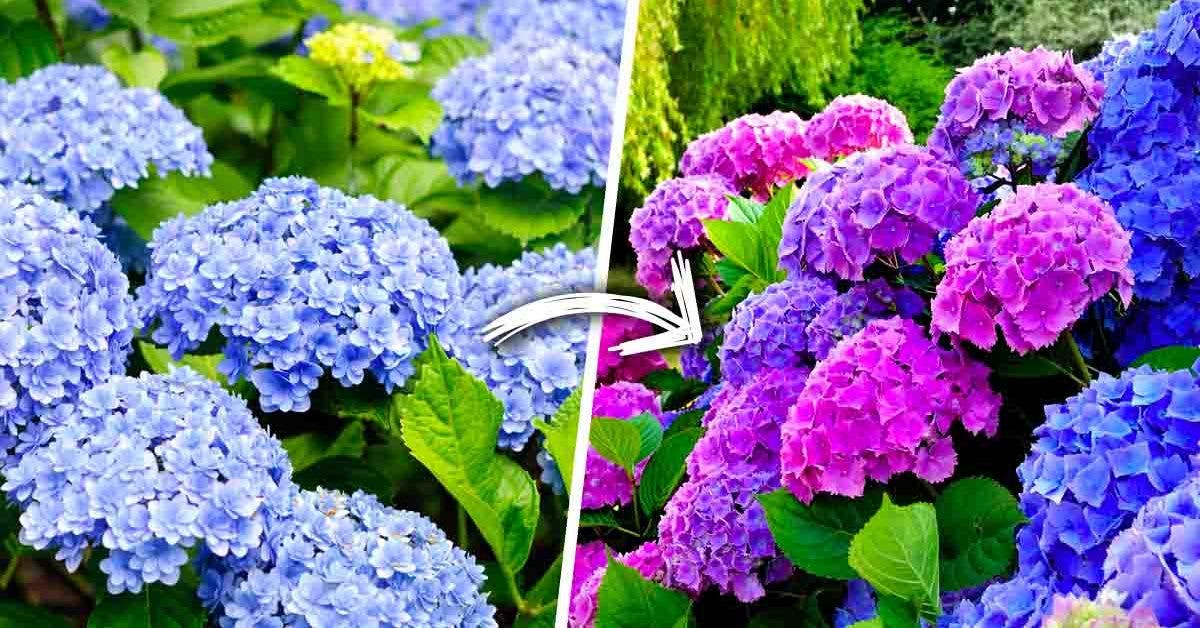
Hydrangeas are magnificent flowers that can truly enhance any garden or balcony with their vibrant, colorful blooms. Known for their chameleon-like ability to change color depending on the soil’s pH, hydrangeas are one of the most popular ornamental plants. From pink, red, and blue to purple and even green, hydrangeas offer a stunning array of colors that transform over time. With their elegant flowers and easy care requirements, hydrangeas are the perfect choice for gardeners looking to add beauty to their home.
Watering Hydrangeas: A Key to Healthy Growth
Hydrangeas are water-loving plants and need plenty of water to thrive. During the summer, it’s crucial to water them frequently, ensuring the soil stays moist, especially if they are in pots. In winter, you can water them less often—only when the soil starts to dry out.
Tip: Use rainwater or water at room temperature to avoid stressing the plant with cold water. This will help prevent any negative effects on their growth.
Temperature and Light: Perfect Conditions for Hydrangeas
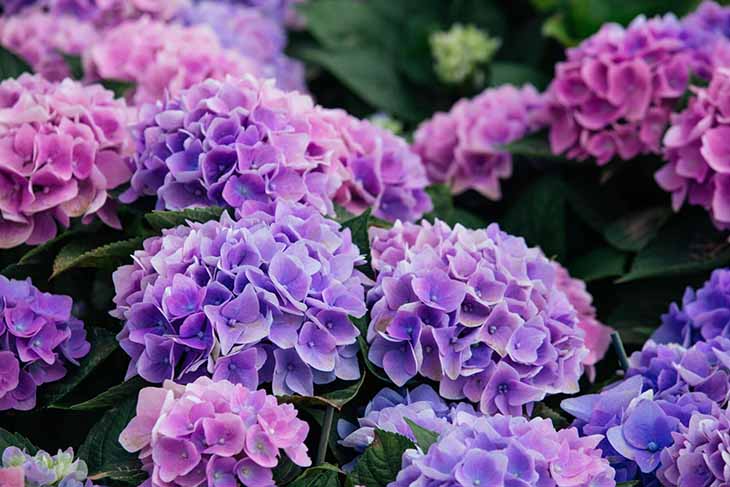
While hydrangeas enjoy being in bright spaces, they do not tolerate direct sunlight. A partially shaded area is ideal for these plants, as too much sun can cause stress and damage. The ideal temperature for hydrangeas is around 18°C. Anything too hot or too bright can result in the loss of stems and unhealthy growth.
In the winter, hydrangeas are fairly cold-tolerant and can survive in cooler conditions. If you prefer, you can place your hydrangea indoors near a window, but be sure to keep it away from heat sources like radiators.
Pruning Hydrangeas: When and How to Trim
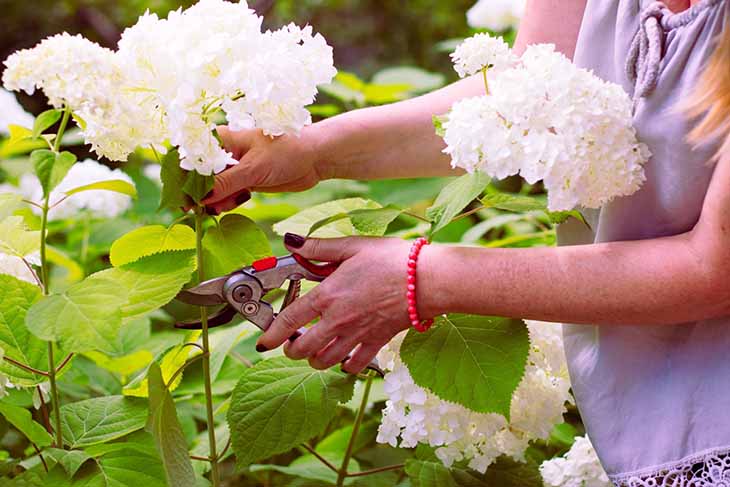
If your hydrangeas are still young, there’s no need to prune them. However, from the age of three years, annual pruning is recommended to keep the plant healthy and encourage strong growth. The best time to prune is in early fall, but this may vary depending on the variety.
To prune properly:
- Use sterilized shears to remove unproductive branches and old stems that are often dry or weak.
- Leave at least two buds on each branch to ensure continued growth.
- Remove branches older than 5 years at the base to help with aeration and prevent fungal issues or pest infestations.
Soil: The Secret to Beautiful Hydrangea Colors
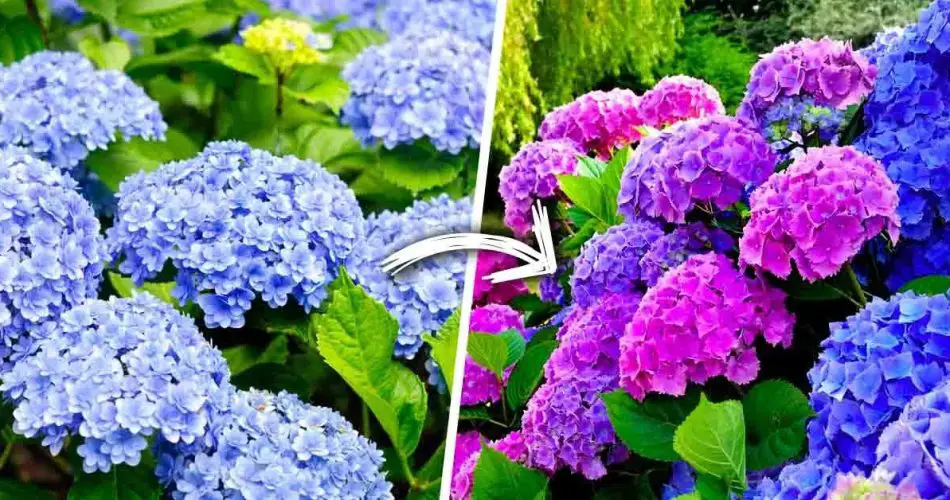
The color of hydrangea flowers is influenced by the acidity (pH) of the soil. By adjusting the soil’s pH, you can create different colors of flowers. For instance:
- Blue flowers: If you want your hydrangeas to turn blue, make the soil more acidic by adding aluminum sulfate (about 200g per watering).
- Pink flowers: To encourage pink or red flowers, make the soil more alkaline by adding lime or wood ash.
To change the color:
- For blue flowers, coffee grounds can help increase soil acidity.
- For red flowers, use a mix of wood ash and water to make the soil more alkaline.
Fertilization: Keep Your Hydrangeas Thriving
Frequent fertilization is crucial for hydrangeas, especially during the period leading up to flowering. The best practice is to fertilize them once a week with a potassium-rich fertilizer that can be diluted into their watering solution.
This regular feeding helps support abundant flowering and overall plant health.
Growing Hydrangeas in Pots: Container Care Tips
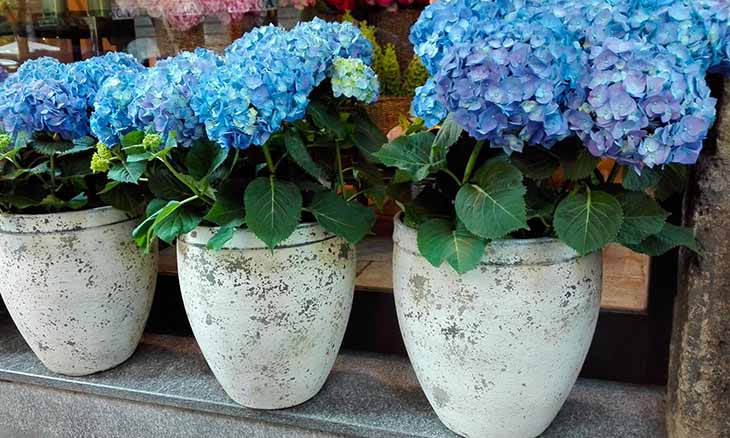
Hydrangeas can also thrive in pots. However, since they are large plants with extensive root systems, it’s important to choose a sufficiently large pot:
- For small hydrangeas, use a pot with a diameter of at least 40 cm.
- For medium-sized hydrangeas, opt for a larger pot, around 60 cm in diameter, to accommodate their growing roots.
Common Diseases and Pests: Protect Your Hydrangeas
Like many plants, hydrangeas can be vulnerable to pests and diseases. Common issues include:
- Mycoplasma: This disease causes deformed flowers. Remove any affected parts immediately.
- Aphids: These pests can be controlled with a natural remedy made from Marseille soap and water, which acts as an insecticide.
- Mold: To fight mold, use a solution of two tablespoons of baking soda mixed with one liter of water. This will help control the growth of mold on your plant.
Cochineal infestations can also occur, but can be treated with Marseille soap or other natural solutions.
Conclusion
Hydrangeas are a beautiful, colorful, and easy-care plant that can brighten up any garden or balcony. By following these simple watering, light, pruning, and soil tips, you can enjoy vibrant blooms year after year. Whether you grow them in the ground or in pots, hydrangeas are the perfect way to add a touch of elegance and charm to your home.