Parsley is one of the most popular herbs in the kitchen. It brings a burst of flavor to our dishes, from salads and meats to soups and sauces. Whether it’s adding a final touch of freshness or enhancing the flavor of our favorite recipes, parsley is a must-have herb for any cook. But what if you could stop buying it and grow it right at home? Imagine having fresh parsley on hand all year round—it’s not just possible, it’s incredibly easy!

Why Grow Parsley at Home?
Parsley is an essential herb in every kitchen, but purchasing it regularly can add up. Although parsley is not very expensive, growing it yourself can save you money and ensure you always have some on hand. Even better, you don’t need a garden—you can grow parsley in a pot or on your windowsill. Whether it’s summer or winter, growing parsley indoors means you can enjoy fresh, flavorful herbs whenever you need them.
Choose the Right Parsley Variety

Not all varieties of parsley are equally suited for growing indoors. The best options are low-growing varieties, which are ideal for pots and windowsills. These varieties don’t take up much space and won’t stretch too much, making them perfect for indoor cultivation.
Picking the Right Pot for Your Parsley
When it comes to growing parsley, choosing the right pot is key. You can use any container that’s large enough for your needs. The general rule is: the more parsley you want, the larger the container should be. However, ensure the pot fits snugly on your windowsill and has drainage holes to allow excess water to escape. A small saucer beneath the pot will help catch any water runoff.
Sowing Parsley Seeds

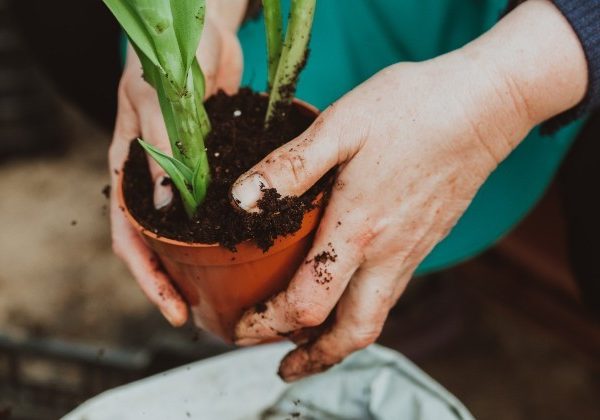
To start growing parsley, you’ll need quality potting soil. Here’s how to sow your seeds:
- Fill the pot with soil, adding a layer of drainage material (like clay) at the bottom to ensure proper water flow.
- Fill the pot with soil up to 5 cm from the top edge.
- Sprinkle parsley seeds generously across the surface, and then moisten the soil lightly.
- Cover the seeds with about 2 cm of additional soil, then lightly mist with water.
- Cover the pot with a plastic bag, lid, or glass to create a mini-greenhouse effect, and place it in a warm, semi-shaded area to help with germination.
After about three weeks, you should start seeing seedlings emerge. If you notice too many, thin them out by cutting off excess plants with scissors to prevent overcrowding.
Caring for Your Parsley

After 2-4 weeks, the first shoots will appear. At this point, remove the covering and place the pot in a bright location with plenty of sunlight. Parsley grows best in direct sunlight for about 6-8 hours a day. If your windowsill doesn’t get enough light, you can supplement with artificial lighting.
To keep your parsley healthy:
- Water the plant sparingly—only when the soil is dry to the touch.
- If the pot is near a kitchen window, the humidity from cooking will help keep the soil moist. Otherwise, check the soil regularly, and water when the leaves appear dry. Remember to empty the saucer after watering to prevent waterlogging the roots.
- Use a natural fertilizer to promote healthy growth.
Parsley also grows wonderfully when combined with other herbs like oregano, chives, basil, or mint. A windowsill filled with fresh herbs not only smells great but adds beauty to your space!
What Are the Varieties of Parsley?
There are three main types of parsley, each with its own characteristics:
- Common Parsley (Flat-leaf): This variety has wide, dark green, smooth leaves with serrated edges. It has an intense flavor and is often used in cooking. Its erect stems can grow up to 40 cm high.
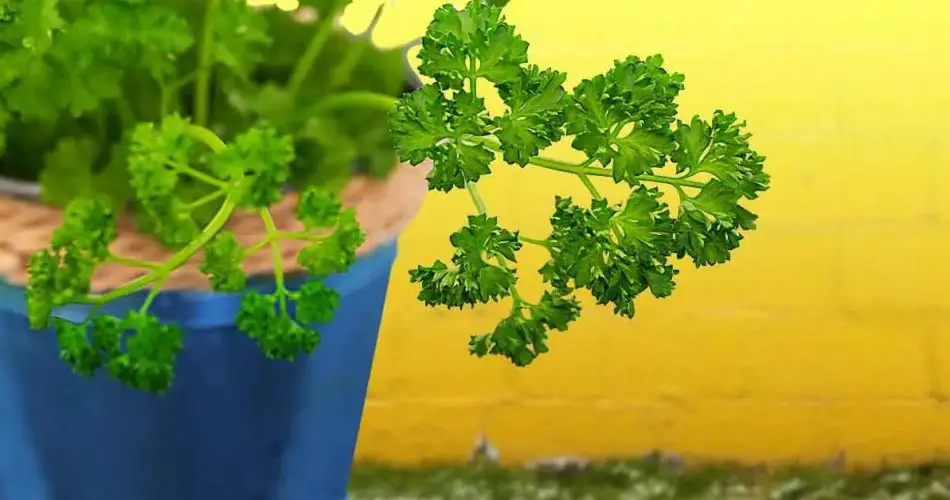
- Curly Parsley (Chinese Parsley): Known for its curly, finely cut leaves, this variety has a lighter green color and is more commonly used as a garnish. It’s less aromatic than common parsley but works well in decorative dishes. For best results, you can soak the seeds for 24 hours before sowing.
- Root Parsley: This variety is special for its thick root, used in cooking like a vegetable or to season dishes. The root is not eaten raw, but it adds depth of flavor to soups and stews.
Conclusion
Parsley is an incredibly versatile and easy-to-grow herb. Whether you’re looking to add fresh flavor to your meals or create a small herb garden on your windowsill, growing parsley at home is a great option. By following these simple steps, you’ll have fresh parsley available to you all year long—without spending a dime at the store! So, grab a pot, choose your favorite parsley variety, and start growing your own delicious herbs today!