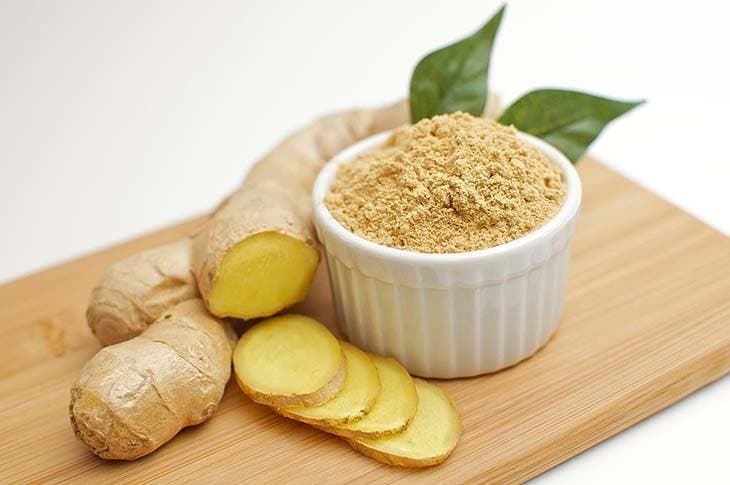
Originating from Asia, ginger is a herbaceous plant rich in vitamins and minerals. Its spicy flavor enhances dishes and adds zest. This tropical perennial plant is sensitive to cold, requiring a minimum temperature of 10°C. For this reason, it’s best to grow ginger in a pot. Here’s how to successfully cultivate ginger for an abundant harvest.
How to Successfully Grow Ginger for a Bountiful Harvest
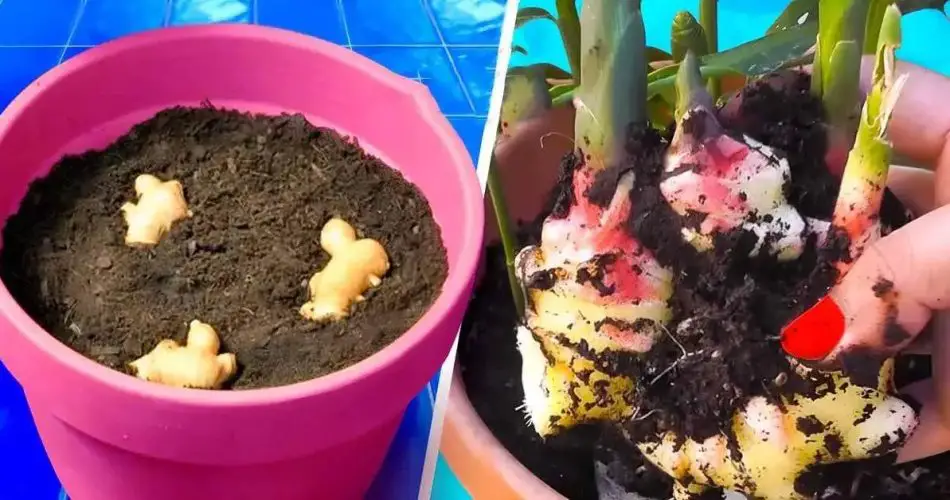
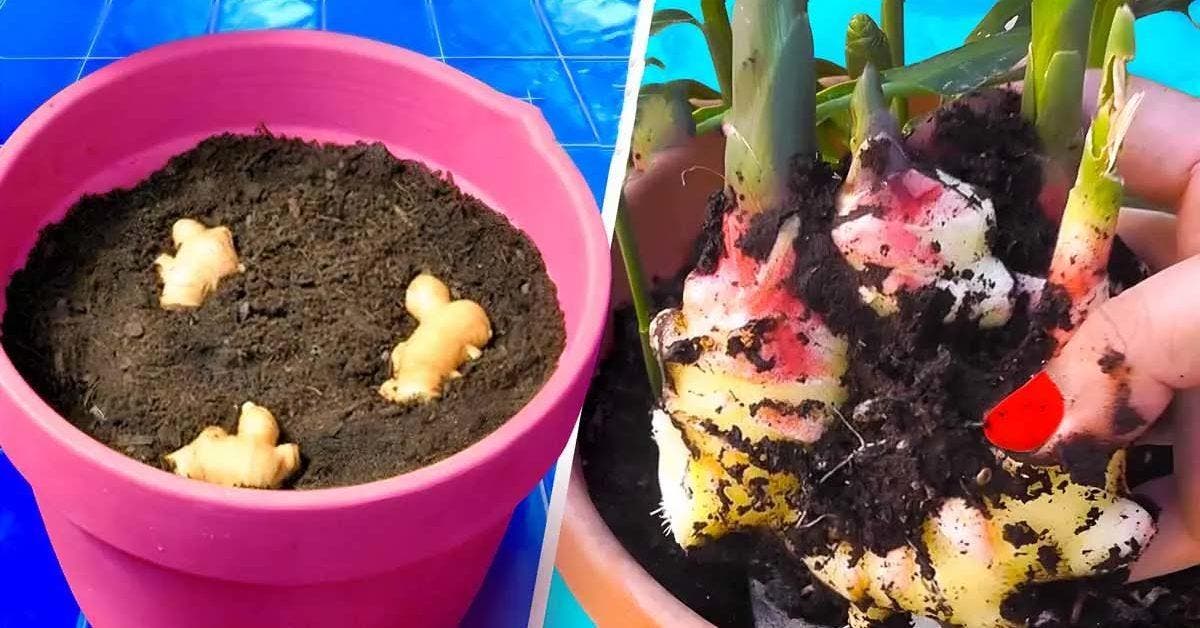
To grow ginger, you need rhizomes instead of seeds, as ginger does not produce seeds. The rhizome is an underground stem that develops roots and aerial stems. For an organic harvest, select organic rhizomes from health food stores, as these have not been treated and can germinate easily. Choose vigorous rhizomes with several growths for a more generous yield.
Choosing the Right Pot
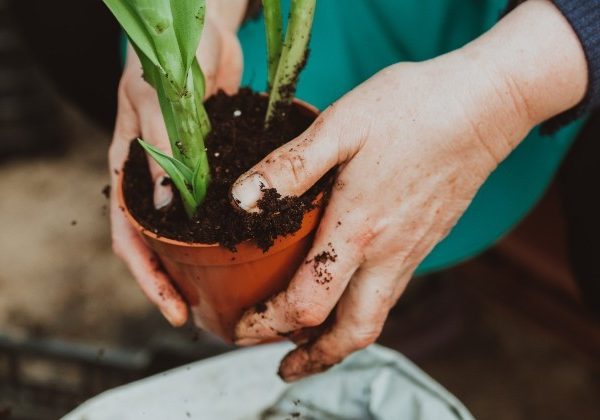
When growing ginger in a pot, opt for a large and deep container to encourage root development. A planter can accommodate up to 3 ginger rhizomes. To ensure proper drainage and prevent root rot, place clay balls at the bottom of the pot. Fill the pot 3/4 full with a mixture of 2/3 potting soil and 1/3 river sand, then lightly tamp it down.
Plant the rhizome flat, ensuring part of it remains visible above the soil. Water gently, avoiding stagnant water in the saucer.
Care Tips for Ginger
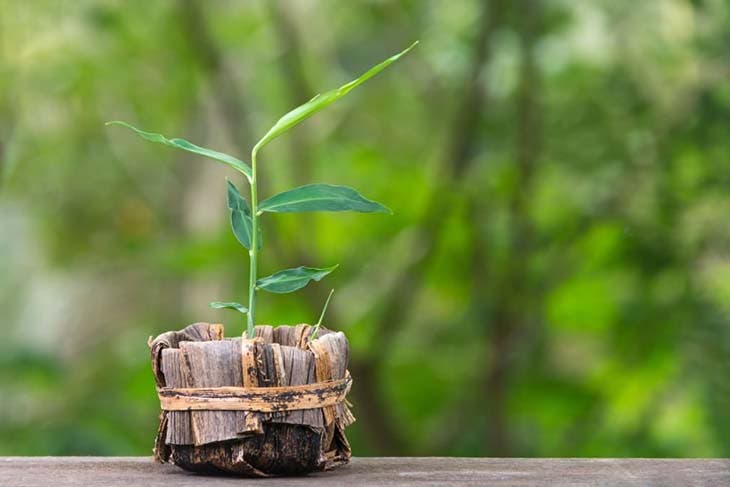
After planting, keep the pot in a sunny and warm room, but avoid direct sunlight. Ginger thrives at around 25°C with constant humidity. Initially, water moderately to prevent rot until the roots develop. Once the first leaves appear, water more regularly, but avoid letting the soil dry out completely.
Ginger grown indoors may be prone to scale insect infestations. To mitigate this risk, air your plant regularly in warmer months. If you encounter scale insects, wipe the foliage with a cotton ball soaked in alcohol.
When to Harvest Ginger
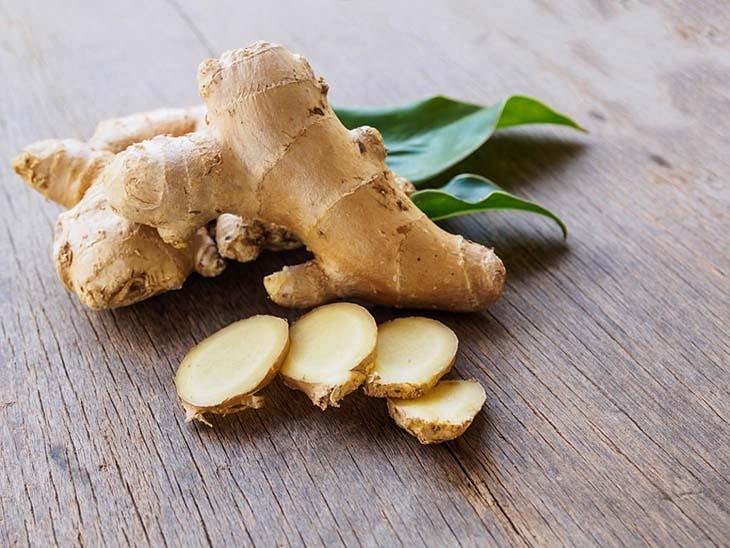
Ginger can be harvested 9 to 10 months after planting. If the green parts of the plant begin to dry out, it’s time to dig up the rhizomes. For a ginger with a more lemony flavor, consider harvesting after just 6 months.
You can also fragment the harvested rhizomes for new plantings, ensuring each piece has at least one bud.
By meeting the needs of ginger, you can successfully grow this flavorful condiment and enjoy a generous harvest, even if you don’t consider yourself a gardening expert!