Growing cucumbers can be a rewarding experience, especially when you know the right techniques to ensure a lush harvest free from diseases. Whether you’re a beginner or experienced gardener, following the right steps can help you enjoy healthy cucumbers throughout the growing season. In this article, we’ll share key tips on how to grow cucumbers efficiently, avoid common diseases, and achieve bountiful harvests.
Essential Steps to Grow Cucumbers Successfully
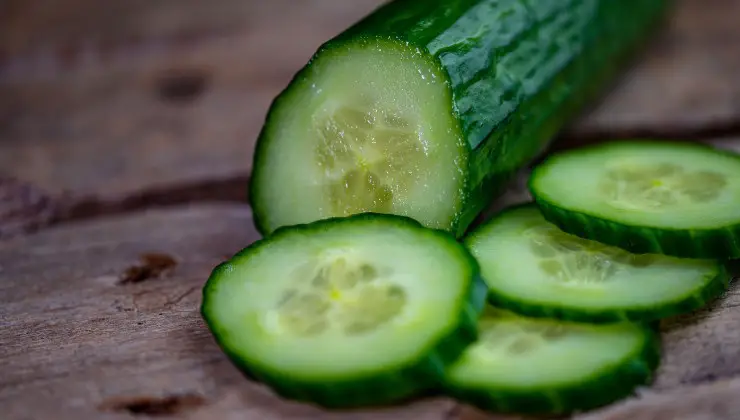
To start, it’s important to select the right variety of cucumber. There are several options to choose from, including the classic green cucumbers or yellow and white varieties. Make sure to select one that suits your climate and growing conditions.
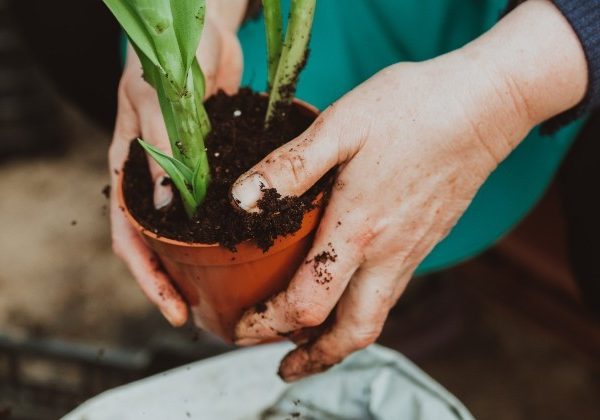
Next, prepare the soil for sowing. Cucumbers thrive in moist, well-drained soil enriched with organic matter like compost or humus. Avoid using strong fertilizers that may harm the roots. Cucumber plants need consistent moisture, so water them regularly without over-saturating the soil.
Once the seedlings are large enough, transplant them outdoors if you started them in pots, or directly into your garden. Ensure that the plants have ample space to spread out as they grow.
Preventing Diseases in Cucumbers
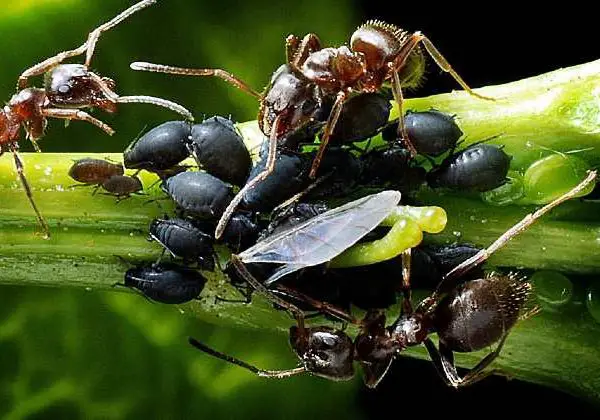
One of the most important aspects of cucumber cultivation is disease prevention. Cucumbers are susceptible to several common diseases, so it’s essential to monitor them regularly for any signs of trouble.
- Signs of disease: Look for unpleasant odors coming from the leaves or brown spots on the fruit. These could indicate fungal or bacterial issues.
- Watering technique: When watering cucumbers, avoid getting the leaves wet, as this can encourage mold growth. Instead, water the base of the plant directly.
- Organic treatments: Use organic pesticides if necessary and ensure the soil remains well-drained to reduce moisture buildup, which can promote fungal infections.
Additionally, practice crop rotation every year to avoid the buildup of soil-borne diseases specific to cucumbers. Clean the soil and remove any infected plants to prevent the spread of diseases.
Tips for Maximizing Cucumber Yields
To achieve big harvests, you must ensure that your cucumber plants are healthy and well-cared for. Follow these steps to boost growth and fruit production:
- Watering: Cucumbers need plenty of water, so make sure the soil stays moist, especially during dry spells.
- Lightening the stem: Remove excess side branches and dead leaves to allow the plant to focus its energy on producing fruit. Limiting lateral branches to 2-3 per plant can also help.
- Proper support: Use stakes or other support structures to keep the cucumber plants upright, preventing the main stem from breaking under the weight of the fruit.
- Check for pests: Keep an eye on your plants for signs of insect damage, such as holes in the leaves. Remove damaged parts immediately to prevent the spread of pests.
Benefits of Growing Cucumbers
In addition to being delicious, cucumbers are also packed with health benefits. They are an excellent source of vitamin C, which helps with skin hydration and can reduce the appearance of aging. Cucumber juice acts as a natural toner, while cucumber slices are often used in beauty treatments to soothe the skin.
Furthermore, growing your own cucumbers means you can avoid harmful pesticides and have full control over the quality of the produce you use, whether for cooking or homemade cosmetics.
Conclusion
Growing cucumbers successfully requires a combination of proper care, disease prevention, and the right environmental conditions. By following these simple steps, you can enjoy a lush harvest of fresh cucumbers well into the season. Not only will you benefit from their culinary uses, but cucumbers also offer health and beauty advantages that make them a versatile addition to your garden. So, follow these tips and grow your cucumbers the right way for a satisfying, productive experience.