Growing cauliflower can seem daunting to novice gardeners, but it’s easier than it appears. With the right care, you can enjoy a successful harvest from your vegetable garden.

Why Grow Cauliflower?
Cauliflower is rich in vitamin B5 and serves as an excellent source of nutrients. This annual plant features greyish-green, slightly toothed leaves and produces a large, thick mass known as the head that is typically white, though it can also be green, yellow, or purple.
Nutritional Benefits
Vitamin B5, or pantothenic acid, plays a crucial role in energy production, skin healing, and tissue growth. Cauliflower provides about 1.1 mg of vitamin B5 per 100 g, making it a great choice for those seeking plant-based nutrition.
Cultivation Methods

To successfully grow cauliflower, choose varieties suited to your climate:
- Spring Cauliflowers: Sow from mid-August to mid-September for fall planting.
- Summer Cauliflowers: Sow in a warm place under cover in February-March.
- Autumn Cauliflowers: Sow in May and June for planting in July.
- Winter Cauliflowers: Sow between May and June for later planting.
Preparation and Sowing
- Soil Preparation: Two months before sowing, prepare a plot with organic fertilizer rich in nitrogen (avoid fresh compost).
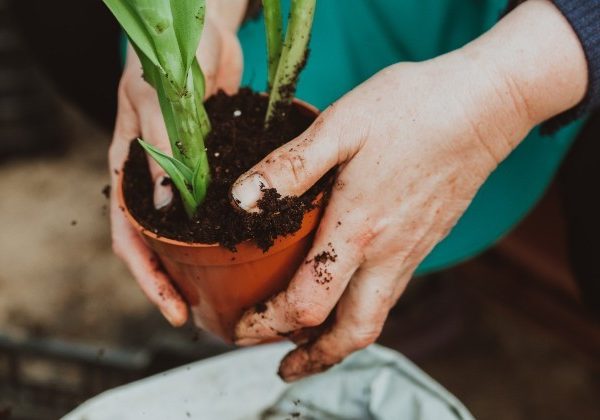
- Sowing: Sow seeds 2 cm deep in small furrows. Transplant when plants have 5-7 true leaves, spacing them 70 cm apart.
- Watering: Water regularly at the base, avoiding wet foliage.
Harvesting can take between 2 to 6 months depending on the method used.
Managing Diseases

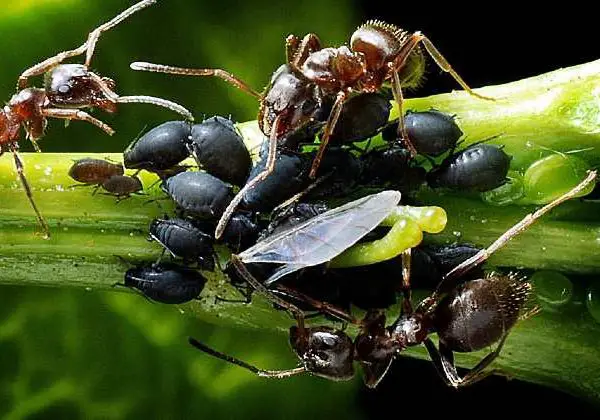
The main threat to cauliflower is mildew, which thrives in damp conditions. Use Bordeaux mixture as a preventive spray. Protect young plants from cabbage flies and caterpillars using appropriate insecticides.
Choosing the Right Varieties
For success, select the right variety for your growing season:
- “Merveille de toutes saisons”: Suitable for different growing conditions with medium-sized white heads.
- “Extra hâtif d’Angers”: A very early cauliflower known for its large, fine-grained heads.
- “Primus Autumn Giant”: Recognized for its heavy, white heads and good performance in temperate climates.
- “Violet de Sicile”: Decorative with intense purple heads, best harvested in late summer and autumn.
How Many to Sow?
A transplanted plant equals a harvested cauliflower. On average, one cauliflower is enough for four people. A gram of seed contains about 550 seeds, which can be stored for 5 to 6 years.
With these guidelines, you can successfully grow and harvest your own cauliflower, adding a nutritious and delicious vegetable to your meals!