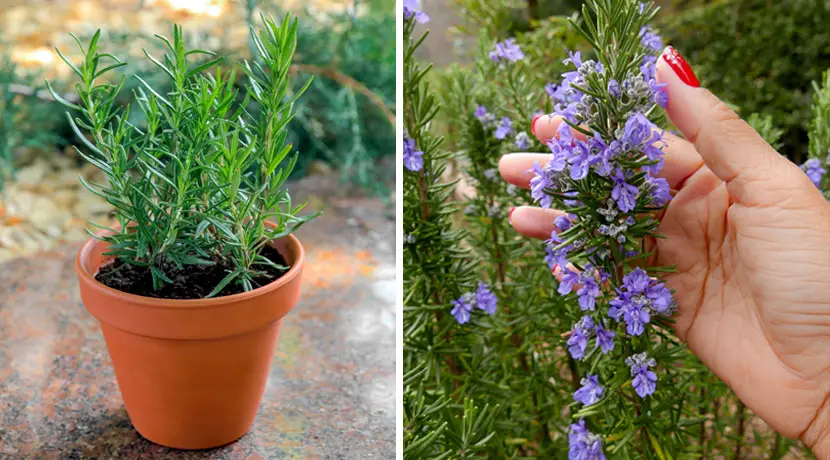

Rosemary is a delightful herb known for its aromatic leaves and culinary uses, but it also has the potential to produce beautiful flowers. To ensure your rosemary blooms and thrives, follow these tips on care and positioning:
Flowering and Growth Tips
- Understanding Flowering Patterns:
- Rosemary can bloom multiple times a year, with winter being its peak flowering season. By understanding its natural cycle, you can provide optimal conditions to encourage flowering.
- Light Requirements:
- Rosemary needs direct natural light to flower effectively. Place it in a spot where it can receive ample sunlight, but avoid prolonged exposure to intense sun as it can scorch the leaves.
- Temperature and Climate:
- Rosemary thrives in warm and temperate climates. It’s quite adaptable but should not be exposed to freezing temperatures, heavy frost, or intense summer heat. Maintain a stable environment for the best results.
- Watering Needs:
- Water sparingly and only when the soil is dry. Overwatering can lead to root rot, while underwatering can stress the plant. Ensure the pot has good drainage to prevent water from accumulating at the bottom.
- Pot and Drainage:
- Use a pot with good drainage holes. This prevents water from sitting at the bottom, which can lead to root rot. Proper drainage is crucial for rosemary’s health and flowering.
- Pruning and Maintenance:
- Regularly prune rosemary to remove dead or damaged leaves and stems. Pruning helps the plant focus its energy on new growth and can encourage flowering. Avoid cutting healthy, green parts of the plant.
- Pests:
- Watch out for common pests like mealybugs and aphids. Treat any infestations promptly to prevent damage to your plant. Healthy plants are more likely to flower successfully.
- Transplanting:
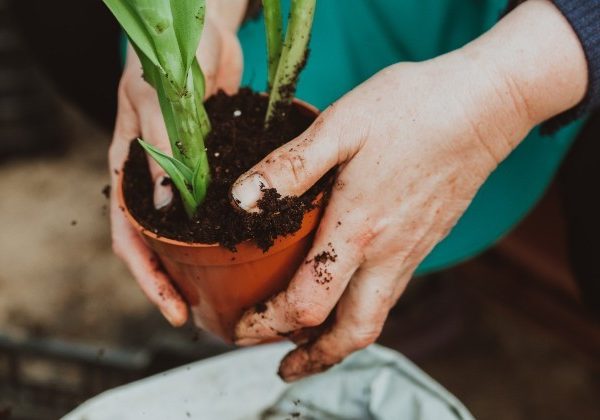
- If you need to transplant rosemary, do so in early spring. Transplanting can stress the plant, so allow it time to adjust before expecting flowers. It may take a season for it to adapt and start blooming again.
Finding the Best Location
- Indoor Placement:
- In cold climates, keep rosemary indoors near a sunny window. Ensure it’s away from radiators or other appliances that can cause extreme temperature fluctuations.
- Outdoor Placement:
- During warmer months, move rosemary outside to a balcony or garden. Choose a spot that offers a mix of sunlight and shade. Avoid placing it in full sun all day, as this can overheat the plant.
- Seasonal Adjustments:
- Adjust the plant’s location based on the season. In winter, keep it indoors where it can get sufficient light. In summer, provide some shade to protect it from the harsh midday sun.
By following these guidelines, you’ll help your rosemary plant flourish and produce its lovely blooms. With the right care, rosemary can be both a beautiful and functional addition to your home or garden.Rosemary is a delightful herb known for its aromatic leaves and culinary uses, but it also has the potential to produce beautiful flowers. To ensure your rosemary blooms and thrives, follow these tips on care and positioning:
Flowering and Growth Tips
- Understanding Flowering Patterns:
- Rosemary can bloom multiple times a year, with winter being its peak flowering season. By understanding its natural cycle, you can provide optimal conditions to encourage flowering.
- Light Requirements:
- Rosemary needs direct natural light to flower effectively. Place it in a spot where it can receive ample sunlight, but avoid prolonged exposure to intense sun as it can scorch the leaves.
- Temperature and Climate:
- Rosemary thrives in warm and temperate climates. It’s quite adaptable but should not be exposed to freezing temperatures, heavy frost, or intense summer heat. Maintain a stable environment for the best results.
- Watering Needs:
- Water sparingly and only when the soil is dry. Overwatering can lead to root rot, while underwatering can stress the plant. Ensure the pot has good drainage to prevent water from accumulating at the bottom.
- Pot and Drainage:
- Use a pot with good drainage holes. This prevents water from sitting at the bottom, which can lead to root rot. Proper drainage is crucial for rosemary’s health and flowering.
- Pruning and Maintenance:
- Regularly prune rosemary to remove dead or damaged leaves and stems. Pruning helps the plant focus its energy on new growth and can encourage flowering. Avoid cutting healthy, green parts of the plant.
- Pests:
- Watch out for common pests like mealybugs and aphids. Treat any infestations promptly to prevent damage to your plant. Healthy plants are more likely to flower successfully.
- Transplanting:
- If you need to transplant rosemary, do so in early spring. Transplanting can stress the plant, so allow it time to adjust before expecting flowers. It may take a season for it to adapt and start blooming again.
Finding the Best Location
- Indoor Placement:
- In cold climates, keep rosemary indoors near a sunny window. Ensure it’s away from radiators or other appliances that can cause extreme temperature fluctuations.
- Outdoor Placement:
- During warmer months, move rosemary outside to a balcony or garden. Choose a spot that offers a mix of sunlight and shade. Avoid placing it in full sun all day, as this can overheat the plant.
- Seasonal Adjustments:
- Adjust the plant’s location based on the season. In winter, keep it indoors where it can get sufficient light. In summer, provide some shade to protect it from the harsh midday sun.
By following these guidelines, you’ll help your rosemary plant flourish and produce its lovely blooms. With the right care, rosemary can be both a beautiful and functional addition to your home or garden.