Composting is a fantastic way to transform organic waste into nutrient-rich fertilizer for your plants while helping the environment. It’s simple, natural, and can change the way you care for your garden. Let’s dive into the easy steps to make compost at home and what you need to consider along the way.
1. Setting Up Your Compost Bin
Creating a compost bin is straightforward and can be done using items you already have at home. While there are compost bins available for purchase, you can also make your own for indoor use. Here’s how:
- Choose containers like plastic drawers, buckets, or wooden boxes.
- Stack them (two to four) with holes drilled in the base for ventilation and drainage.
- Add a layer of soil to the top container and place a tray underneath to catch any excess liquid.
- Cover the compost to maintain optimal conditions.
2. What Goes Into Your Compost
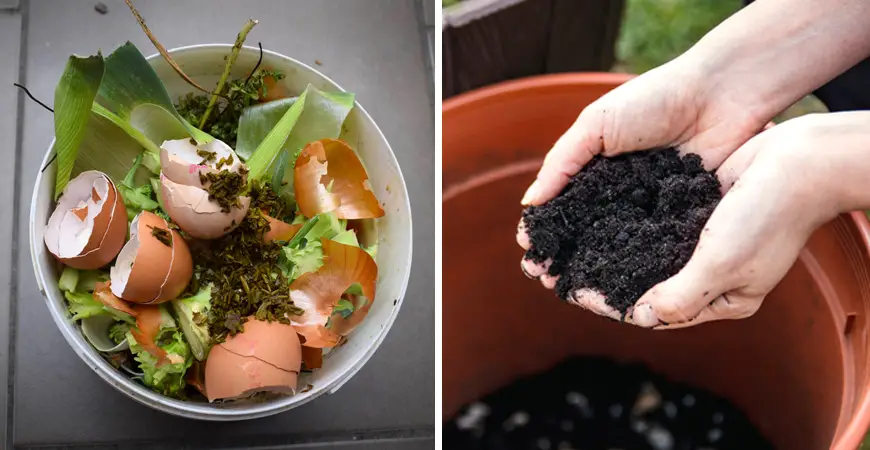
You can compost a variety of organic waste, including:
- Fruit and vegetable peels
- Tea and coffee grounds
- Eggshells
- Wood scraps
- Cardboard and paper
- Ashes
- Leaves
- Used matches
- Hair and dust
Ensure a balanced mix of materials for successful composting, aiming for a moist consistency.
Things to Avoid:
- Meat, fat, and oil
- Pet waste
- Charcoal
- Citrus fruits in excess
- Dairy products
These items can disrupt the composting process and lead to unpleasant odors or imbalances.
3. Introducing Worms
Worms play a crucial role in composting by breaking down organic waste and enriching the soil. Here’s how to incorporate them:
- Add worms (Californian worms are ideal) after two weeks of composting.
- Worms will digest organic matter and produce humus, a valuable fertilizer.
- Other beneficial insects, such as soldier flies and springtails, also aid in decomposition.
4. Monitoring Your Compost
Compost readiness depends on various factors like temperature, humidity, and the types of materials used. Here’s how to tell if your compost is ready:
- Check for a uniform, soil-like texture without distinct organic materials.
- Remove the compost when it resembles dark, crumbly soil.
- Start a new compost cycle once the current one is ready.
With these simple steps, you can easily create nutrient-rich compost at home to nourish your plants and contribute to a healthier environment. Happy composting!