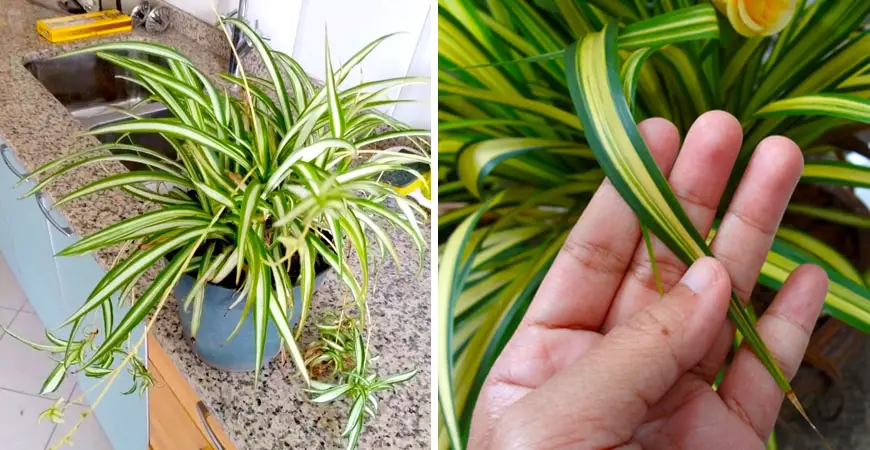
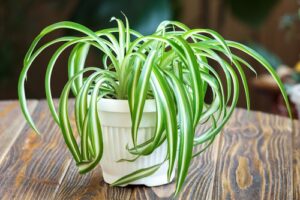
The love knot plant, also known as Maranta leuconeura, is a delightful addition to any home due to its attractive foliage and air-purifying qualities. With its light green, ribbon-like leaves featuring a distinctive white stripe, it adds a touch of elegance to any space. Here’s how to ensure your love knot plant thrives for years to come:

1. Soil
- Requirements: Good drainage is crucial. Use a soil mix that includes sand, coconut fiber, and perlite. This combination helps prevent root rot and ensures proper aeration.
- Preparation: Mix equal parts of sand, coconut fiber, and perlite for an ideal substrate. Ensure the pot has drainage holes to allow excess water to escape.
2. Lighting
- Ideal Conditions: Prefers bright, indirect light. Direct sunlight can cause the leaves to become brittle and faded.
- Signs of Excess Light: If the leaves become fragile or develop brown edges, it may be receiving too much light. Move the plant to a less intense light area.
- Low Light: The plant can tolerate low light but may lose the white stripe on the leaves.
3. Irrigation
- Watering Frequency:
- Summer: Water every 2 days and mist the leaves regularly to maintain humidity.
- Winter: Water every 10 days, as the plant requires less moisture in cooler temperatures.
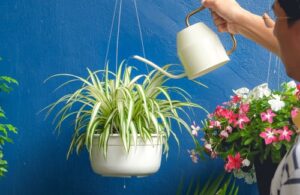
- Watering Tips: Avoid overwatering. Check soil moisture by inserting your finger about 2 cm into the soil. Water only if it feels dry. Ensure no water accumulates in the pot, as this can lead to root rot and bacterial issues.
4. Fertilizer
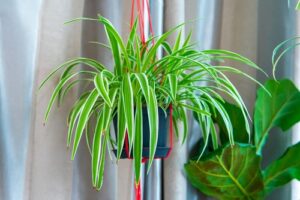
- General Needs: The love knot plant typically doesn’t need much fertilizer. However, during active growing seasons, a light feeding can be beneficial.
- Types of Fertilizer:
- Use a nitrogen-rich fertilizer to promote healthy green leaves.
- Alternatively, apply worm humus every 2 weeks during warmer months to add phosphorus, potassium, and magnesium.
- Precautions: Avoid over-fertilizing to prevent root saturation and potential damage.
5. Pruning
- Pruning Method: Remove wilted or yellowing leaves by gently pulling them off by hand, rather than cutting, to avoid damaging the delicate leaves.
- Purpose: Pruning helps redirect the plant’s energy to healthier parts and maintains its aesthetic appeal.
6. Transplanting
- Timing: Transplant in early spring before the plant starts sending out stolons (runners) for reproduction.
- Repotting:
- Frequency: Repot before the roots outgrow the current pot to avoid breaking the container.
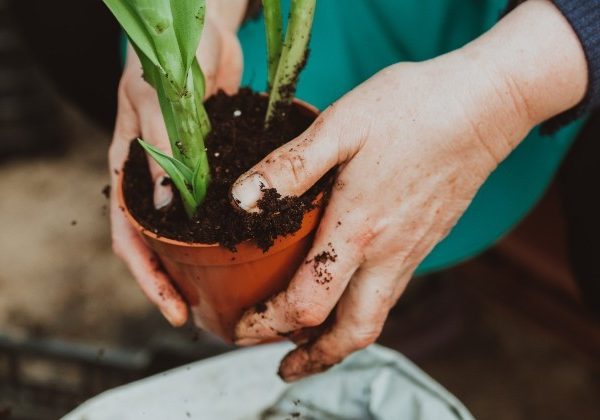
- Procedure: Choose a slightly larger pot or divide the plant if necessary. Use a soil mix of peat and the same ingredients used for the initial planting.
- Additional Tips: Ensure the new pot has good drainage and avoid over-filling to prevent waterlogging.
By following these care guidelines, your love knot plant will flourish, adding beauty and fresh air to your home. Enjoy its elegant foliage and the calming atmosphere it creates!
Show Comments