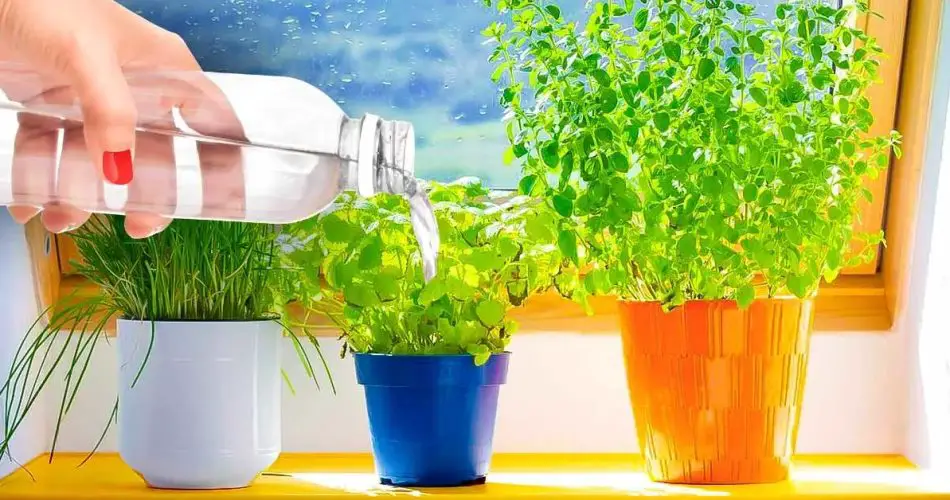
Watering your plants is a fundamental aspect of plant care. Both excess water and a lack of humidity can be fatal to houseplants. Many people struggle to find the right balance, often repeating the same mistakes. To prevent your plants from wilting prematurely, consider several factors: the climate, light, soil, plant type, and its water needs. Here’s how to adjust your watering routine for winter.

Watering in Winter: The Golden Rules
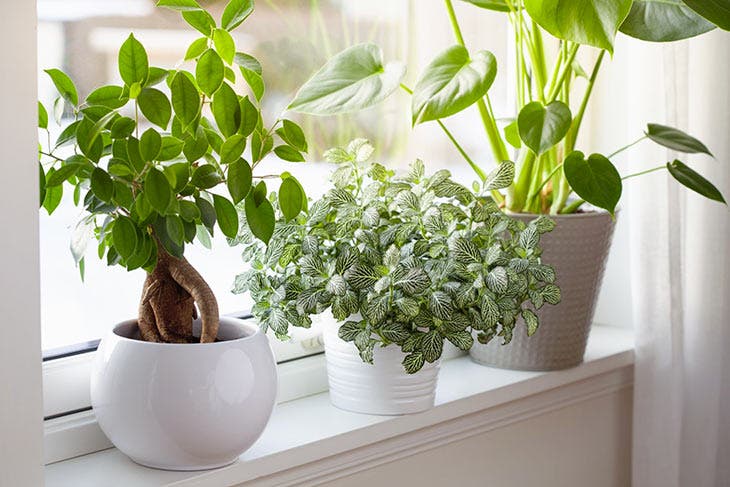
Water is essential for plant survival; it hydrates them and promotes good absorption of nutrients. However, the amount of water needed varies from species to species. It’s crucial to gather as much information as possible about each plant’s specific needs.
During the winter, indoor plants typically enter a vegetative rest period, starting at the end of autumn or early winter. This is a time for restoration after the active growing season, where plants consume less energy and prepare for new spring growth. As a result, most indoor plants require less water during this period.
Recommended Watering Frequency for Common Indoor Plants
- Begonias: Do not water at all in winter.
- Cactus: Water every three weeks, in small amounts.
- Azaleas, Ivy, Geraniums, Eucalyptus: Water very rarely or not at all.
- Ficus, Dracaena, and Other Tropical Plants: Water a maximum of twice a week.
- Orchids: Water every two weeks, preferably in the morning, using room temperature water.
Factors to Consider Before Watering
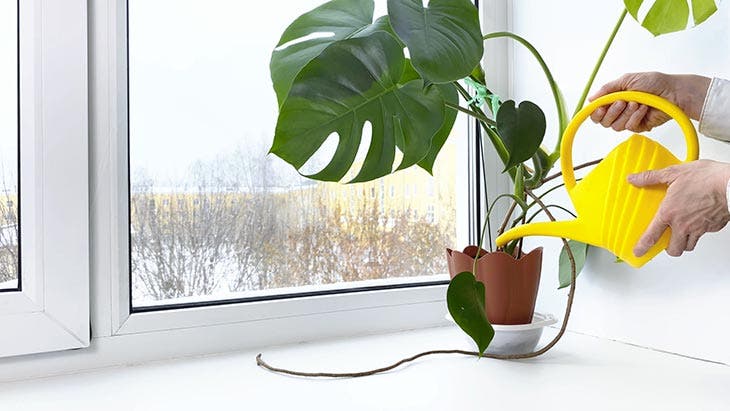
- Plant Type: Different plants have different water preferences. Some thrive in humidity, while others prefer dryness. Understand each plant’s water needs for optimal care.
- Check Soil Dryness: Use a wooden stick to probe the soil. If it slides in easily, moisture is present. If it gets stuck, the soil is dry and watering is needed.
- Test Pot Weight: A dry pot is significantly lighter than a wet one. Lift your pots to gauge their weight; a noticeable difference indicates whether watering is necessary.
- Degree of Soil Dryness: Feel the soil through the drainage holes with your fingertips. This will help you assess whether the soil is dry enough to warrant watering.
Conclusion
By adjusting your watering routine and taking these factors into account, you can help ensure your houseplants remain healthy and thrive through the winter months. Remember, less is often more during this season!