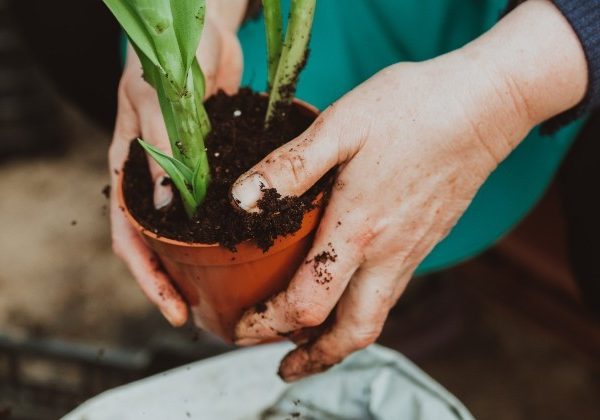
Using brewer’s yeast as a plant fertilizer is a natural and effective way to promote the growth and flowering of your plants. Here’s how you can use brewer’s yeast in your garden:
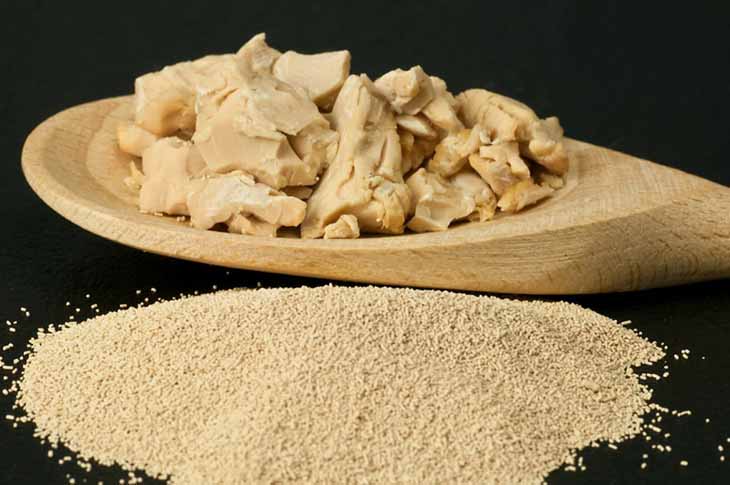
Using Brewer’s Yeast Solution as Watering Water:
Ingredients:
- Brewer’s yeast (even expired)
- Water at room temperature
- Plastic jug
Instructions:
- Dilute 3 tablespoons of brewer’s yeast in 10 liters of water in a plastic jug. Gradually add the yeast while stirring to dissolve it more quickly.
- Let the solution sit for a few hours.
- Use this brewer’s yeast solution as watering water for your plants every 3 days, for two weeks.
Using Brewer’s Yeast in Compost:
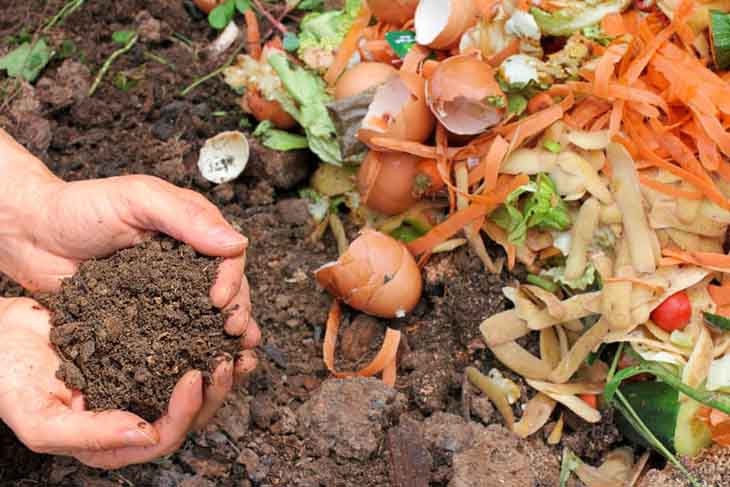
What is Compost? Compost is a mixture of plant matter and biodegradable organic waste that acts as a natural fertilizer, promoting plant growth and increasing soil fertility.
Ingredients:
- Organic waste (e.g., food scraps, garden waste)
- Brewer’s yeast
Option 1 (for heap composting):
- Add a layer of organic matter to your compost pile.
- Sprinkle 3 sachets of brewer’s yeast on top.
- Turn the compost pile with a hook to aerate it.
Option 2 (for silo composting):
- Dilute a block of yeast and 100 grams of sugar in a container containing 5 liters of water.
- Seal the container and let the mixture sit for 5 to 7 days to promote fermentation.
- Pour the prepared mixture onto your compost in the silo.
- Turn the compost once a month to aerate it and water it regularly to keep it moist.
Additional Tips:
- Add banana peels to your compost to further enrich it with potassium, enhancing flowering.
- Spread banana peels on the soil after fertilizing with brewer’s yeast. They will decompose over time, releasing potassium for plant absorption.
- Coffee grounds are also a popular natural fertilizer and compost enhancer. They attract worms that aid in compost decomposition.
By incorporating brewer’s yeast into your gardening practices, you can enrich the soil, promote plant growth, and enjoy beautiful flowers in your garden or vegetable patch.
Show Comments