Orchid roots can rot for various reasons, including lack of oxygen, fungal problems, or pest attacks, and sometimes a combination of these factors. If your orchid’s roots are suffering, don’t worry—there’s a simple and effective solution using a cotton ball. Let’s explore how to bring your orchid back to health.
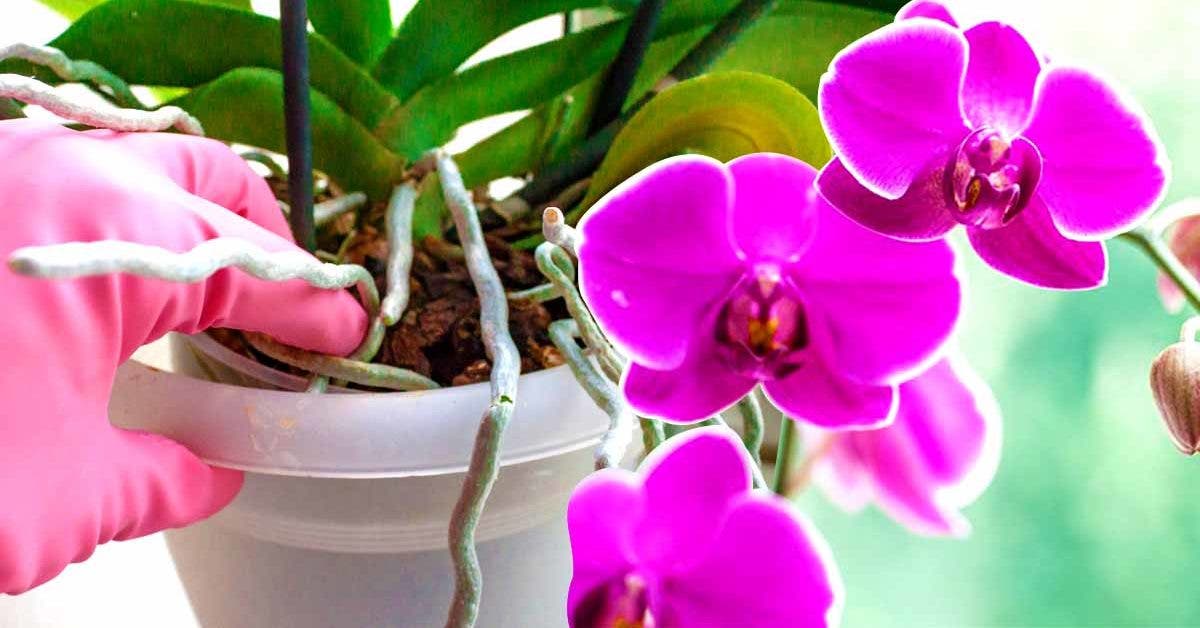
Why Do Orchid Roots Rot?
Orchids, while elegant and beautiful, can sometimes be difficult to care for. One of the main causes of root rot is overwatering. When orchids are watered excessively or too frequently, the roots can become waterlogged, leading to rot. To keep your plant healthy, it’s important to avoid this mistake and know how to fix it when it happens.
How to Recover Rotten Orchid Roots with Cotton
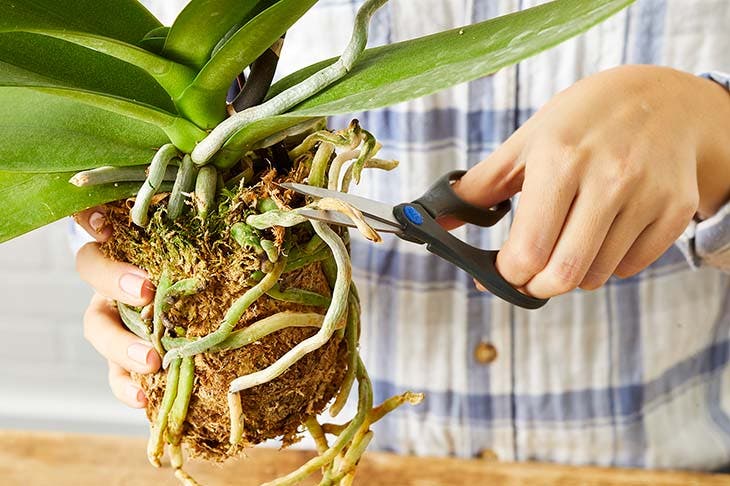
If your orchid’s roots are rotten, follow these simple steps using cotton to help revive it:
- Remove the Orchid from the Pot
Carefully take the orchid out of its pot to examine the condition of the roots. Cut away any rotten or soft roots, as they cannot be salvaged. - Clean the Roots
Use an anti-mold treatment or a natural alternative like cinnamon powder, which is effective for eliminating mold and promoting healthy roots. - Use Cotton for Root Care
Dampen a few pieces of cotton, squeeze out the excess water, and then gently place them around the orchid’s remaining healthy roots. The cotton will help the orchid grow new, healthy roots over time. - Cover the Orchid
Wrap the entire plant with an airtight plastic bag to create a humid environment that promotes root regeneration. Be patient, as new roots should begin to grow after a few weeks. - Repot the Orchid
Once the new roots have become thick and strong, you can repot your orchid into fresh soil.
Preventing Orchid Root Rot
Taking a few precautions can help prevent root rot from happening in the future:
- Ensure the soil is well-drained to avoid water retention around the roots.
- Water the orchid less frequently during fall and winter, as the plant needs much less water during the colder months.
How to Plant an Orchid in the Ground
If you prefer planting your orchid in the ground, Bletilla japonica is one of the easiest varieties to grow outdoors. It’s best to plant them in spring when they form their first leaves. This orchid thrives in fresh, humus-rich soil and partial shade, but be gentle with the fragile roots to avoid damaging them.
By following these simple tips, you can easily recover a struggling orchid and help it thrive for years to come.