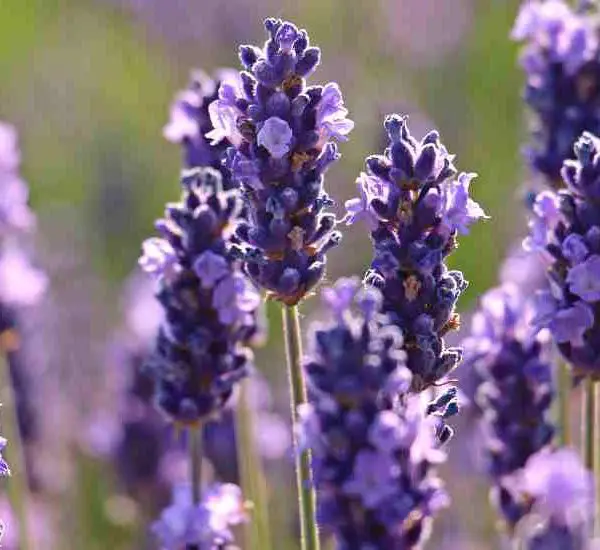
Germinating lavender seeds in a pot is a wonderful way to bring the sweet fragrance of lavender into your home. Here’s how you can do it:
Materials Needed:
- Several small pots or containers
- Potting soil
- Fertilizer
- Lavender seeds
Steps to Germinate Lavender Seeds:
- Preparation:
- Place the lavender seeds in airtight bags filled with damp soil.
- Store the bags in the refrigerator for at least 3 weeks. This process, known as cold stratification, helps break the seed dormancy and promotes better germination.
- Potting:
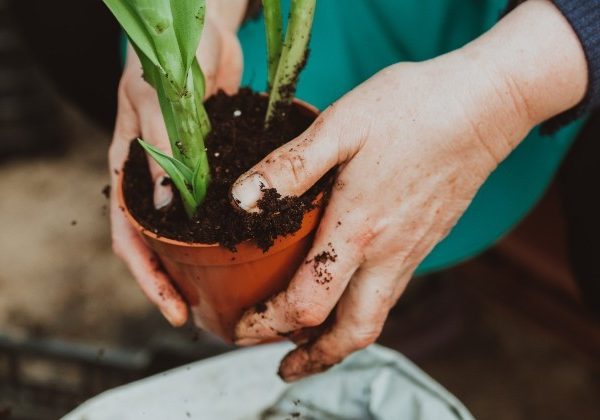
- Fill individual pots with seedling soil.
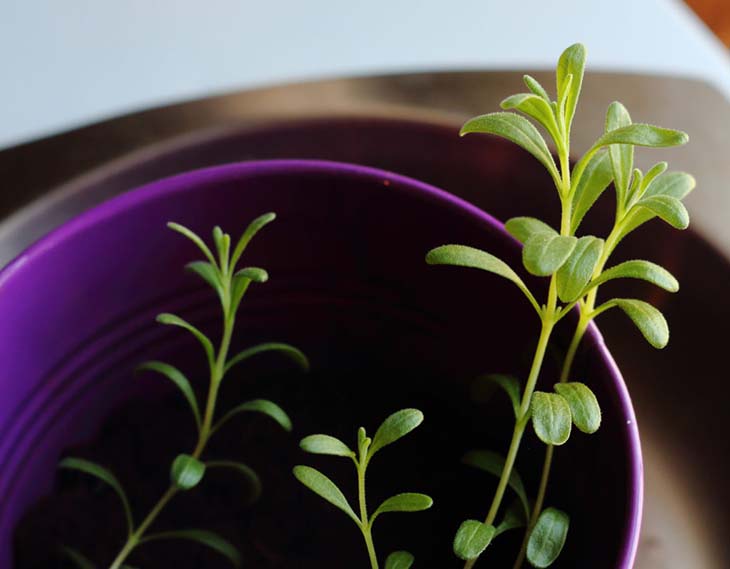
- Plant one lavender seedling per pot.
- Cover each seedling with a thin layer of soil.
- Germination:
- Place the pots in a warm location, ideally around 21 degrees Celsius (70 degrees Fahrenheit).
- Position the pots near a window to provide indirect sunlight, which is beneficial for germination.
- Lightly water the seedlings each morning to keep the soil moist but not waterlogged.
- Transplanting:
- Once the seedlings have produced leaves and are strong enough, they can be transplanted into larger containers or directly into the ground.
- Ensure that each plant has enough space in its new container or location for proper growth.
- Outdoor Placement:
- When the lavender plants have grown to more than seven centimeters (about three inches), they can be placed outside in a partially sunny location.
- Dig a hole in the ground that is the same size as the container in which the plant grew.
- Carefully remove the plant from its pot and replant it in the ground, ensuring that the soil is packed firmly around the roots.
Benefits of Lavender:
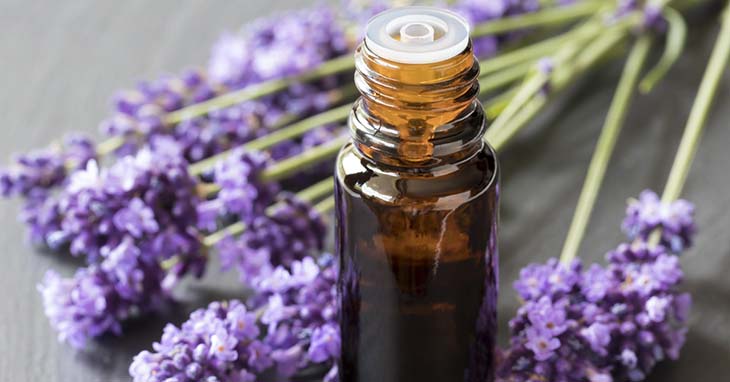
Lavender offers a multitude of therapeutic benefits, including:
- Promoting relaxation: Lavender is known for its calming properties, making it helpful for sleep disorders and nervous system disorders.
- Muscle relaxation: It has antispasmodic properties that can reduce muscle contractures.
- Respiratory relief: Lavender can soothe colds, asthma, and migraines.
- Skin healing: It can help with burns, itching, eczema, acne, wound healing, and fighting against certain parasites like lice.
Note:
- While lavender is generally safe, pregnant women and those taking anticoagulant treatments should consult with a doctor before using lavender for medicinal purposes.
By following these steps, you can enjoy the beautiful fragrance and therapeutic benefits of lavender in your home.
Show Comments