Many garden enthusiasts may not know about a unique method that challenges conventional gardening. What if we told you that water—the element we all thought was essential for plant growth—can be replaced? Yes, it’s true! In this article, we’ll explore the innovative Fukoka method, which allows you to grow a thriving vegetable garden without using any water.
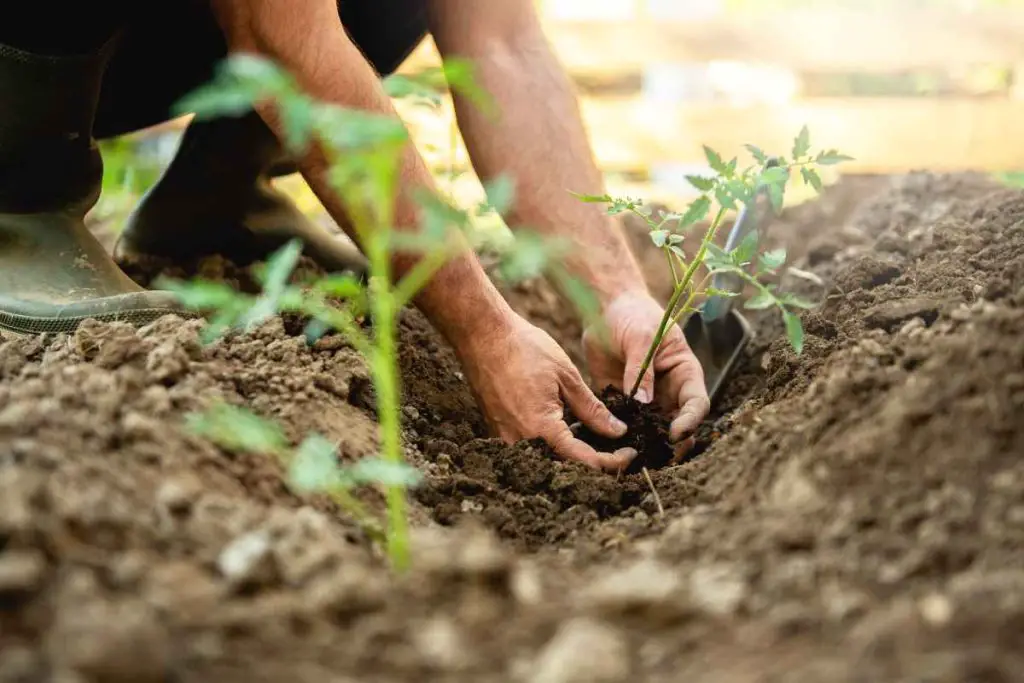
The Fukoka Method: A Revolutionary Approach to Gardening
You read that correctly—waterless gardening is possible. This method, popular among eco-conscious gardeners, is based on the idea that plants can thrive without human interference. The technique is growing in popularity, especially among those who want a low-maintenance, sustainable way to grow their own food, even in limited spaces.
Who Was Fukoka?
The Fukoka method is named after Masanobu Fukoka, a Japanese botanist and philosopher who became famous for pioneering a form of agriculture known as “do-nothing farming.” Fukoka passed away in 2008, but his groundbreaking ideas continue to inspire gardeners worldwide.
At just 25 years old, Fukoka began questioning traditional agricultural practices. He realized that natural agriculture—where plants grow without extensive human intervention—was not only possible but also preferable. His ideas were strongly influenced by Buddhist philosophy, which holds that nature is constantly changing and does not need human manipulation.
What is the Fukoka Method?
The Fukoka method is based on the principle of minimal intervention, allowing nature to take care of itself. His approach to farming eliminates common practices such as plowing, fertilizing, and using pesticides. According to Fukoka, the soil should not be disturbed, and plants can grow without the need for excessive care.
Here are the core principles of the Fukoka method:
- No Plowing: The soil is not prepared before planting. Seeds are planted on the surface, sometimes mixed with clay to help with germination, but there is no need to disturb the soil.
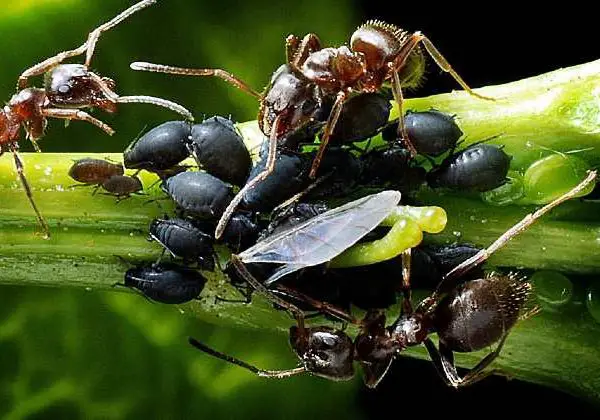
- No Pesticides: Instead of relying on chemicals, you can introduce antagonistic species—plants or insects that naturally ward off pests.
- No Weeding: Fukoka encourages letting nature take its course. Weeds are left in place as long as they don’t interfere with crop growth.
- No Pruning: When it comes to fruit trees, pruning is unnecessary. The plant will naturally regulate its own growth.
- Mulching with Organic Matter: Any plant material that is produced should be returned to the soil as mulch to keep the soil covered, preventing erosion and preserving nutrients.
The Revolutionary Idea: No Watering
One of the most radical elements of the Fukoka method is eliminating water. Unlike conventional farming, which requires constant irrigation, Fukoka’s approach allows plants to thrive without added water, relying on the natural moisture in the soil. As long as the soil is rich in nutrients and the other principles are followed, plants will grow self-sufficiently.
A Flourishing, Self-Sufficient Garden
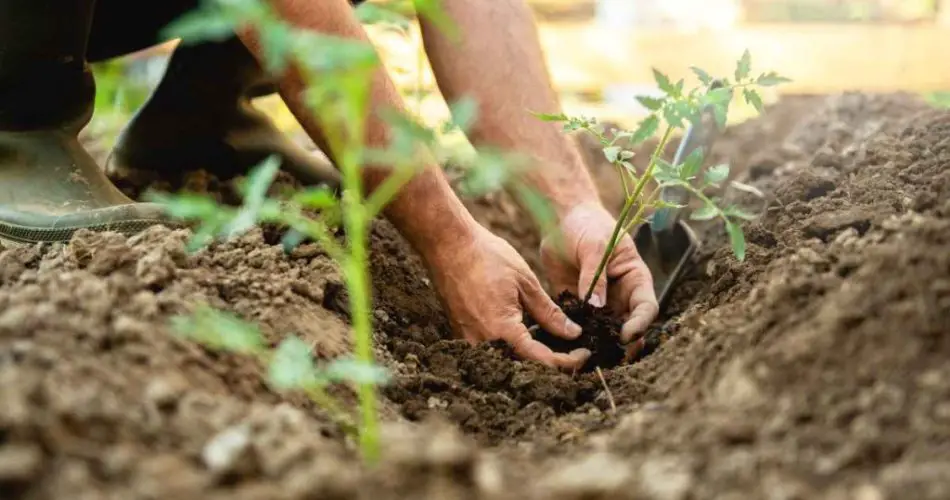
By following the Fukoka method, you can create a sustainable vegetable garden that grows efficiently with minimal input. This self-sufficient gardening approach ensures that plants receive everything they need naturally—without human intervention or excess water.
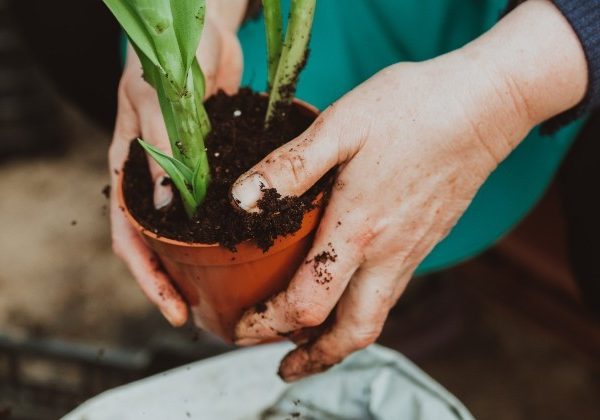
So, whether you’re growing in a backyard, urban garden, or even in pots, you can create a thriving, economical garden that flourishes year-round without the need for irrigation.
Try the Fukoka Method Today
Are you ready to try a waterless garden? With the right care and understanding of Fukoka’s principles, you can grow healthy plants, conserve water, and create a flourishing garden with minimal effort. Embrace the self-sufficiency of nature and watch your vegetable garden grow!