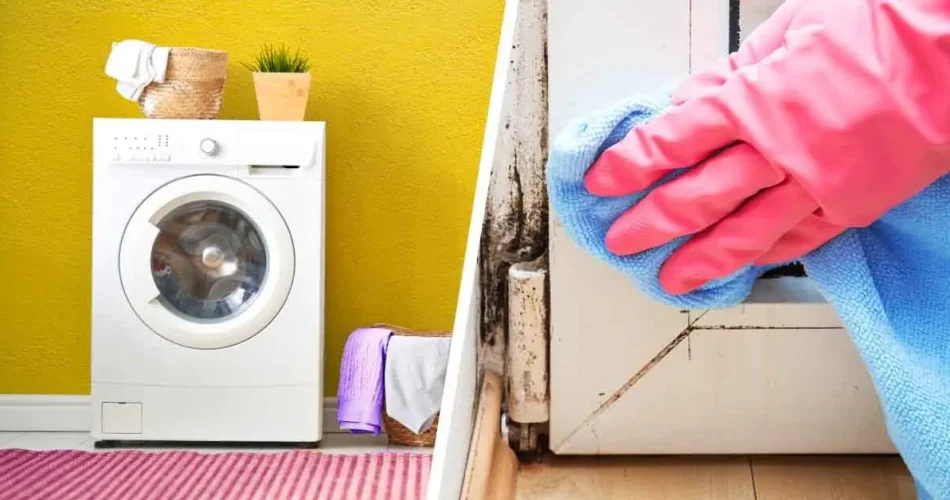
Humidity, mold and its smell! It is our daily fear. Beyond its unsightly appearance on furniture, walls and other places in the house, mold represents a health hazard. Certain plants to place throughout the house, even in the bathroom, help prevent the appearance of humidity and mold.
When mold forms in the house, it is because it is not sufficiently ventilated and there are problems with sealing and therefore insulation against humidity. This observation is even more true when it comes to a room such as the bathroom or laundry room. Mold that forms in this room can spread throughout the house. In summer, open windows can be enough to ventilate your interior, but those who live in more northern regions will be able to testify to the absence of sun and low temperatures making this maneuver unthinkable. Unless you equip your interior with humidity absorbers, the humidity level in the house risks being high and having a negative impact on air quality. There are, however, plants capable of preventing humidity and mold from invading your home. Here is one to place in your home.
The plant to place in the house to avoid humidity and mold

To protect your interior from mold and your health against its harmful effects, think about plants. Mold can cause serious health problems such as asthma, allergies, irritation of the mucous membranes of the mouth, nose and throat, skin rashes and other respiratory problems.
A damp house encourages the appearance of mold and the proliferation of mites and fungi that a sponge or a simple cloth soaked in bleach will not be able to make disappear.
Plants absorb ambient humidity and purify the surrounding air. Among them, a plant should be placed in all damp places in the house.
The spider plant, a plant that fights against humidity

Also known by its scientific name Chlorophytum comosum, the spider plant is popular for its ability to absorb moisture from water condensation. In addition, it does not require a lot of light to flourish at home. It is perfect for every room in your home. However, avoid placing it near the radiator, this would help to dry it out.
Other plants should be placed in your home but also in the bathroom or laundry room, to capture humidity and prevent mold from invading you.
Spathiphyllum, this anti-humidity plant

Spathiphyllum is a moisture-loving plant and therefore likes to absorb it. This plant native to South America helps fight against mold and fungus. Also called Moon Flower, it does not require a green thumb to grow it at home. Little light and light watering are sufficient to keep it in good condition.
The Boston fern, a plant that absorbs humidity.

This tropical plant likes humid places that remind it of its natural environment. It is therefore the houseplant that absorbs the most humidity. In addition, not needing strong light, it helps capture humidity and fight against the formation of mold in your home. In a bathroom or a very humid room, it fights against the humidity that reigns there.
For those of you who live in the North or West and want to get rid of humidity and mold naturally, all you have to do is take a look at the nearest nursery, or else buy a dehumidifier which could cost an arm and a leg.