Sowing seeds is an essential step in creating a thriving garden, but it can be tricky if you’re not familiar with the right techniques. Whether you’re growing vegetables, herbs, or flowers, following some simple sowing tips can lead to healthier seedlings and a more successful harvest. Here are six key tips to help you sow seeds successfully and get your garden off to a great start.
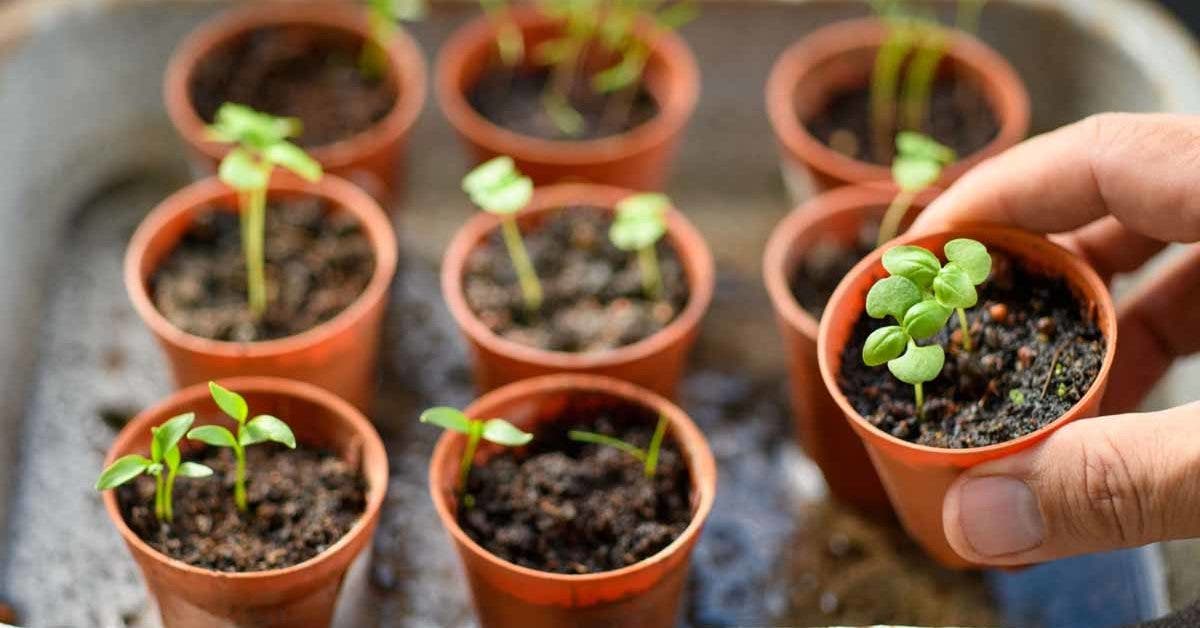
1. Use a Good Substrate for Sowing
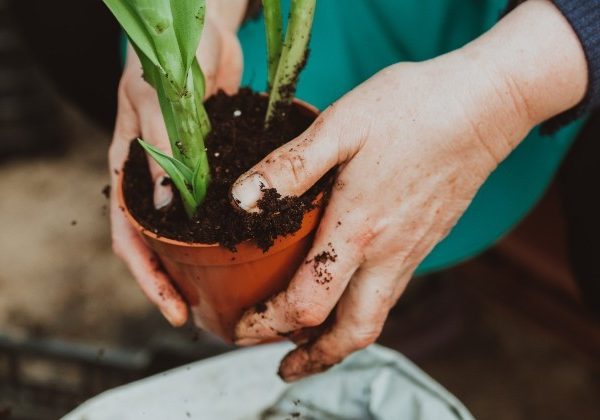
Choosing the right substrate is essential for successful seed germination. While garden soil is not ideal for seedlings (it often contains pests, weeds, and too many nutrients that can harm delicate roots), a light, loose soil is perfect. A good mix might be potting soil combined with sand or finely crushed leaves.
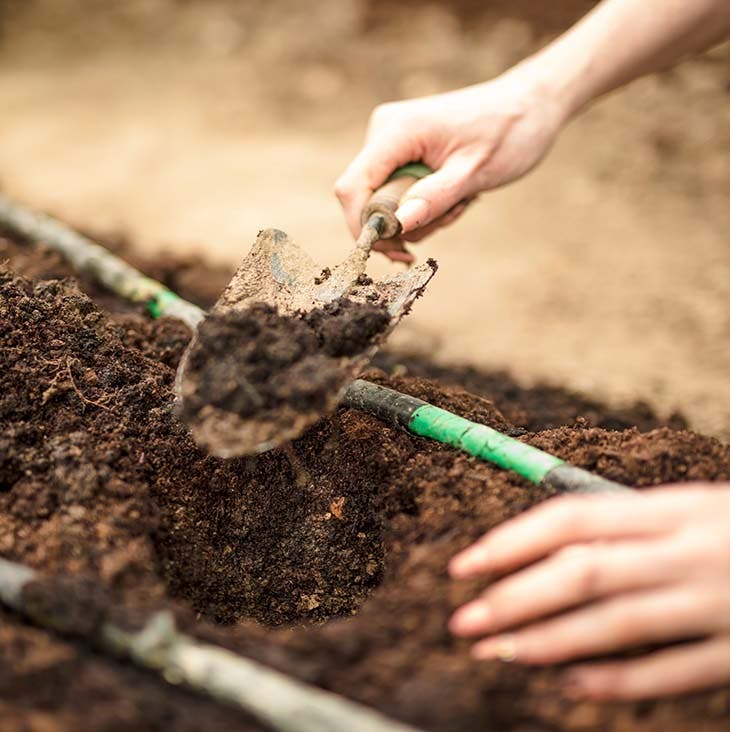
For an added boost, mix in some horse manure (that’s been composted for several weeks) and a pinch of seaweed powder to stimulate germination. The key is to ensure your substrate is permeable, allowing the seeds to breathe and develop properly.
2. Choose the Exact Depth for Sowing
Incorrect seeding depth is one of the most common reasons for sowing failure. Seeds should be sown at a depth of about 1 to 2 times their thickness — no deeper! Planting too deep can cause the seedling to run out of energy before it reaches the surface, or it might suffer from a lack of oxygen.
Some seeds require light to germinate and should be placed directly on top of the soil, while others need a thin covering of soil. Be sure to check the requirements for the type of seeds you’re planting.
3. Respect the Spacing Between Seeds
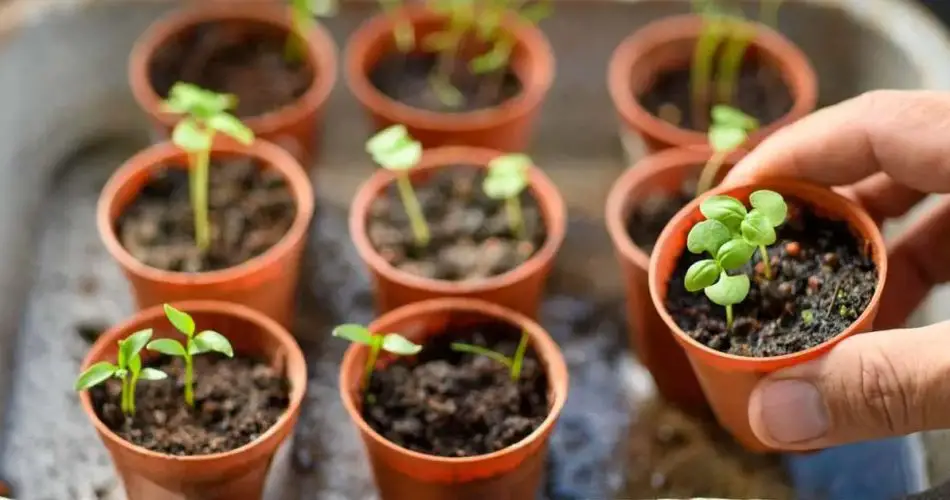
Proper spacing between your seeds is crucial for their growth. Overcrowding can lead to weak plants that compete for light, water, and nutrients. Always follow the recommended spacing for each species, and be sure to sow seeds thinly to avoid overcrowding.
4. Provide Adequate Light
Light is essential for seedling development. If your seedlings are stretching or becoming soft, it’s a sign they aren’t getting enough light. Place your seedlings near a bright window, ideally with some warmth to aid germination.
To prevent your seedlings from leaning toward the light source, rotate the seed tray every few days to ensure even exposure to the light. This will encourage your seedlings to grow upright and healthy.
5. Ensure Sufficient Watering
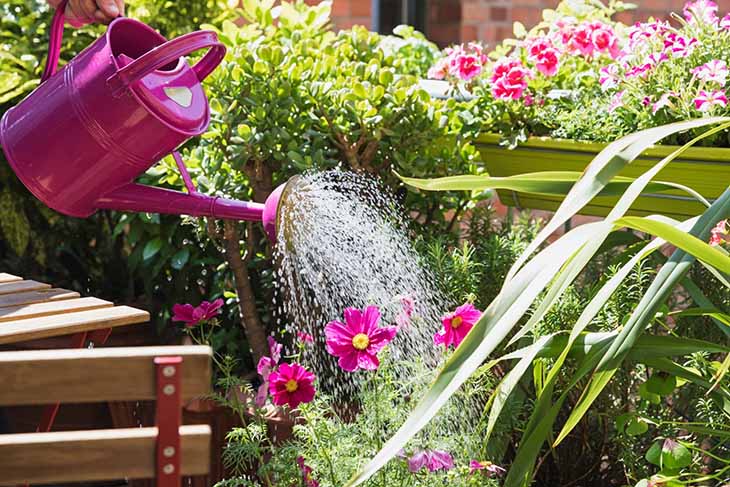
Consistent watering is vital for seed germination, but you must be gentle. Use a fine mist sprayer to avoid disturbing the seeds. Alternatively, you can soak the seed tray in water for about ten minutes, allowing the moisture to rise through the soil by capillarity. Just make sure to drain off excess water to avoid waterlogging.
Remember to keep the soil moist but not soaked, as this can lead to fungal problems.
6. Provide the Right Temperature for Germination
The temperature of the soil is just as important as light and water. Each plant has its own ideal temperature range for germination, and planting at the wrong time can result in poor growth. Seeds that are planted too early in cold soil may suffer from poor germination and fungal diseases. Conversely, seeds sown in hot conditions might struggle to establish strong roots.
Keep in mind that soil temperatures are generally lower than air temperatures, so check the soil before planting. Warmth is key, but too much can stress seedlings, so be sure to monitor the temperature.
Bonus Tips for Successful Sowing:
- Thinning: After sowing, remove weak plants to thin out the seedlings. This gives the remaining plants more room to grow strong and healthy.
- Seed Choice: Sowing allows you to explore a wide range of plants, often at a more affordable price than buying mature plants. Plus, you’ll have more plants to choose from!
- Watering with Plant Purines: To strengthen your seedlings, dilute plant purines (such as nettle or special seedling purine) in watering water and spray it on your plants every 10 days.
- Root Vegetables: Keep in mind that some plants, like root vegetables (carrots, turnips, radishes), don’t transplant well. It’s best to sow them directly into the soil where they will grow.
- Sow More Than You Need: Always sow extra seeds in case some don’t germinate. You can remove the weakest plants, leaving room for the best ones.
Why Sowing is Better Than Planting
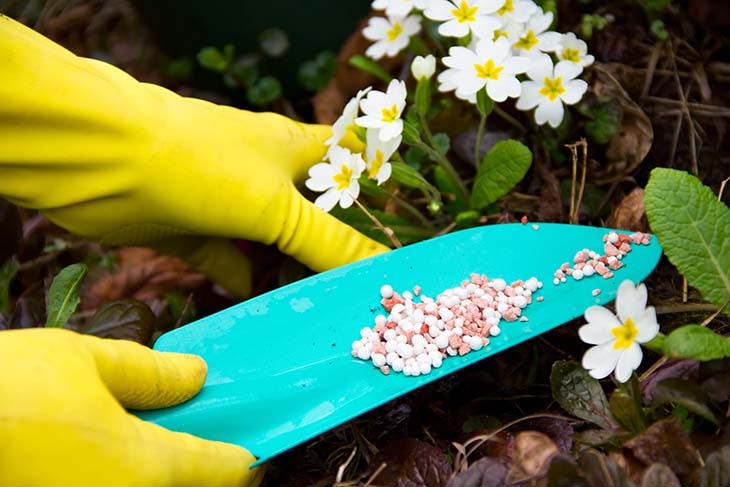
Sowing seeds offers several advantages over planting mature plants. You can grow a greater variety of plants, and with a bit of patience, you’ll get many plants for the price of one! Additionally, sowing allows you to densify your crops, keeping only the strongest plants and discarding the weak ones. This leads to a more successful and bountiful harvest.
By following these sowing tips, you can ensure that your seeds have the best chance to grow into healthy, thriving plants. Whether you’re a beginner or an experienced gardener, these tips will help you sow with confidence and enjoy the rewards of a successful garden!