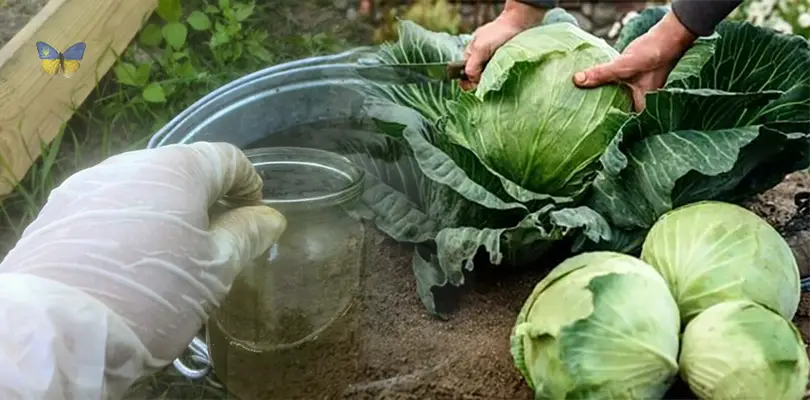
Growing robust white cabbage requires ample minerals for optimal growth. Here’s how and when to properly feed your cabbage crops using traditional methods.
First Feeding (14 Days After Planting)
Apply nitrogen-containing fertilizer to promote green mass development:
- Mix 10 liters of water with either 15 grams of saltpeter or 10 grams of urea.
- Alternatively, use a 200 ml infusion of mullein or 400 ml of manure in 10 liters of water.
Second Feeding (2 Weeks After First)
Once cabbage heads begin forming, apply:
- Mix 10 liters of water with 1 tablespoon of nitrophos.
- Optionally, use organic matter such as mullein or dung infusion, and add 200 grams of ashes for enhanced effect.
Third Feeding (3 Weeks After Second for Mid- and Late-Ripening Cabbage)
Use potassium and phosphorus-rich fertilizers:
- Mix 10 liters of water with 30 grams of potassium monophosphate.
Folk Recipes for Effective Fertilizer for Cabbage
Ash
- Rich in phosphorus, potassium, and calcium; infuse 200 grams of ash in 10 liters of water for 10 days.
Baker’s Yeast
- Mix 12 grams of dry yeast, 100 grams of sugar, and 3 liters of warm water. After a week, dilute 200 ml of the solution in 10 liters of water. Follow with potassium and calcium fertilization.
Boric Acid
- Dissolve 10 grams of boric acid in 10 liters of hot water. Apply under the roots of plants, repeating every 10 days.
Ammonia
- Mix 10 liters of water with 1 tablespoon of ammonia and 5 tablespoons of food vinegar. Use caution with eye, skin, and respiratory protection.
By following these methods, you can effectively fertilize your cabbage to ensure robust growth and abundant harvests. Adjust quantities based on your specific cabbage variety and growing conditions for best results.