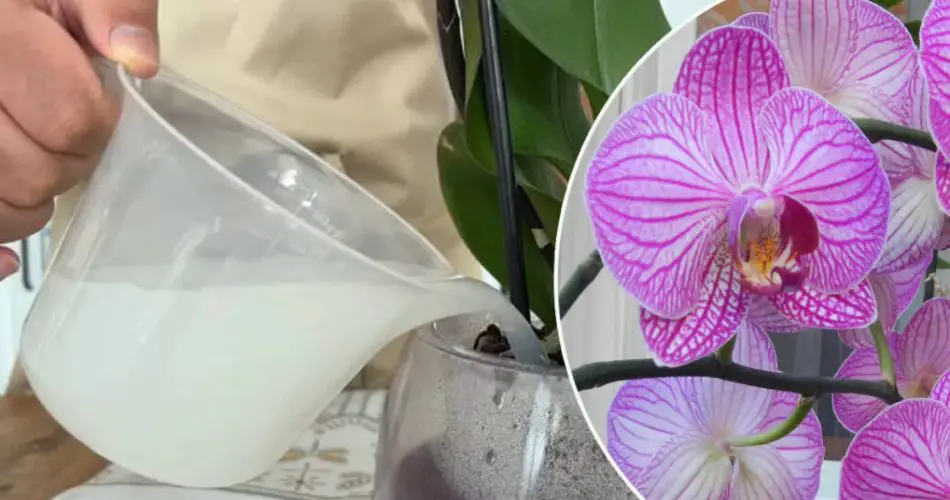
Orchids can flourish beautifully with the use of milk, offering an effective and affordable way to nurture these enchanting plants at home. Milk is rich in beneficial substances that promote lush and abundant flowering of orchids.
Benefits of Milk for Orchids:
- Nitrogen stimulates the growth of new leaves and buds.
- Calcium strengthens the root system and stem, enhancing disease resistance.
- Potassium regulates water balance and respiration, promoting flowering.
- Magnesium enhances photosynthesis and intensifies leaf and flower color.
- Proteins serve as building blocks for plant cells and tissues.
Applying milk to orchid leaves imparts a glossy appearance and helps remove deposits from hard water. Additionally, it forms a protective film that shields against pests, bacteria, and fungi.
Preparing Milk Solution for Orchids:
To create milky water for orchids, mix half a liter of stagnant or rainwater with one tablespoon of whole cow’s milk (3.2-6% fat content).
Watering Orchids with Milk Solution:
Place the orchid in a decorative tray or bowl and thoroughly water it with the milky solution. Allow the orchid to sit for 15 minutes to let the milk penetrate roots and leaves, then drain excess liquid. Repeat this milky watering process every two weeks or at least once a month to ensure vibrant blooming of your tropical beauty.
Cleaning Orchid Leaves with Milk:
For cleaning orchid leaves, prepare a solution by mixing 2 tablespoons of water with 1 tablespoon of milk. Dip a cotton pad in the solution and gently wipe the orchid leaves to keep them healthy, shiny, and clean.
Important Tips:
Follow the recommended amount of milk to prevent unpleasant odors and avoid slowing down plant growth. Always use milk in diluted form and adhere to the feeding frequency guidelines.
In conclusion, incorporating milk as a fertilizer for orchids can positively impact their health and flowering. By following these simple methods, you can delight in the stunning blooms of your orchid.