In July, as summer reaches its peak, proper care for your tomato plants becomes crucial. This month marks the appearance of the first ripe tomatoes, and to sustain their growth and maximize fruit production, follow these key care practices.
Watering
In the heat of summer, water your tomato plants thoroughly but infrequently. Aim to water them at the base once a week with about 5 liters of water per mature plant. Avoid getting water on the foliage to prevent potential diseases.
Soil Loosening
After watering, loosen the soil the following day. If you use mulch, ensure it is spread around the plants. Mulch helps retain soil moisture and prevents the formation of a crust, which can inhibit water absorption.
Tomato Plant Training and Pruning
Regularly remove any suckers that emerge along the tomato plant’s stem. Ideally, each tomato plant should have one main stem, with up to two or three secondary branches. Neglecting to prune can result in a bush that produces smaller or no fruit. Additionally, trim the lower leaves up to the first flower cluster. In early August, pinch off the tips of the main stem and any branches above the last flower cluster to encourage the ripening of existing tomatoes.
Fertilizing Tomatoes in July
Provide your tomato plants with two to three feedings throughout the month, spaced about 14 days apart. Use a phosphorus-potassium fertilizer for best results.
At the onset of fruiting, apply a mixture of superphosphate and potassium humate. Dissolve 2 tablespoons of superphosphate in 2 liters of hot water, then mix this solution into a 10-liter bucket of water. Add 2 tablespoons of potassium humate and stir well. Apply 3 liters of this mixture per plant. Alternatively, you can sprinkle wood ash between the plants and lightly loosen the soil.
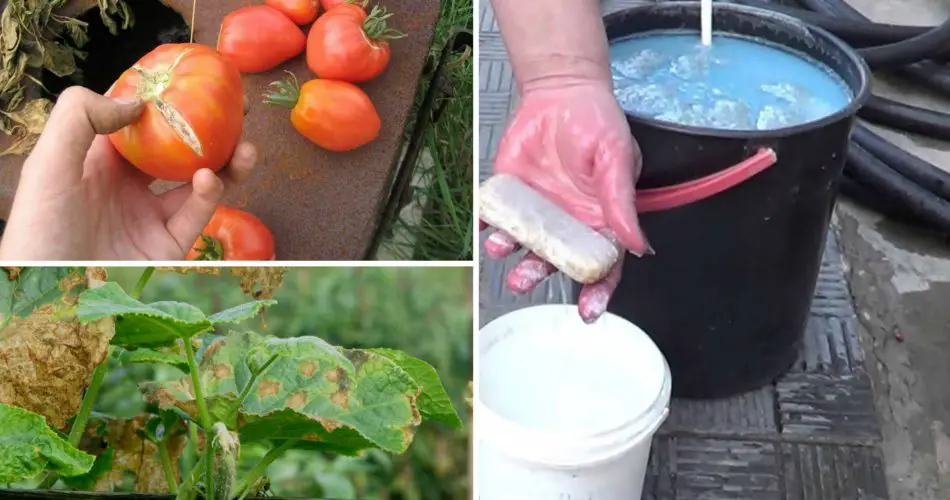
To address potassium deficiencies—indicated by upward curling leaves, black spots on green fruit, and rot at the top—dissolve 2 tablespoons of calcium nitrate in 10 liters of water. This solution should cover 1 square meter of planting area.
Managing Tomato Diseases in July
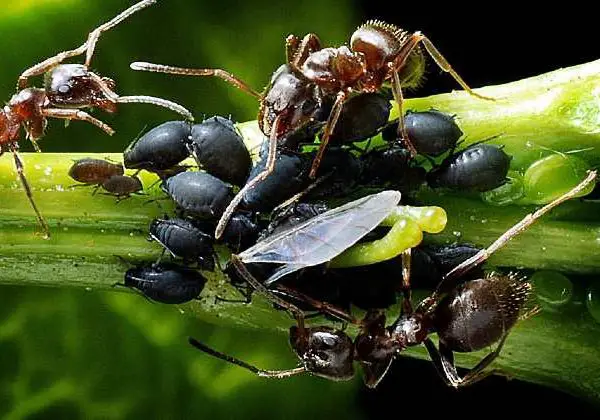
Phytophthora is a common threat to tomatoes. To prevent this disease, apply the biological preparation Fitosporin regularly or use a homemade garlic infusion. For the garlic infusion, blend 2 chopped garlic heads in 1 liter of water and let it steep for a day. Strain this mixture into 10 liters of water and spray it on your plants. This remedy also helps combat aphids and whiteflies.
Harvesting Tomatoes
To ensure all your tomatoes ripen properly, pick the fruit while it is still green if it appears unlikely to ripen on the vine. This technique helps accelerate the ripening process of the remaining fruit.
By adhering to these guidelines, you’ll support your tomato plants in achieving a robust and abundant harvest. Enjoy your productive garden!