The jade tree, with its round, fleshy leaves resembling coins, is not only an easy-to-care-for succulent but also a delightful surprise when it blooms, filling the space with its enchanting aroma.
As one of the most commonly grown succulents worldwide, it has earned its place as a favorite indoor plant, captivating enthusiasts with its ornamental beauty.
Stimulating Flowering: Essential Care Tips
Achieving the elusive blooms of the jade tree requires patience, attention to detail, and providing the ideal conditions for flowering.
1- Maturation

For those who start from seeds, patience is key as it may take several years for young plants to mature and produce flowers. Only established plants that have been nurtured for many years typically bear the coveted star-shaped clusters of blooms. Embrace the journey of nurturing your jade tree, knowing that the reward of its fragrant flowers will be well worth the wait.
2- Nutrition
Fertilizing your jade tree is crucial, particularly in spring, to replenish the nutrients in the soil. Opt for natural fertilizers like worm castings and compost, but be mindful not to overfertilize, as it can harm the plant. Strike a balance by providing just the right amount of nutrients to support healthy growth and encourage flowering.
3- Temperature

Autumn temperatures around 15°C are optimal for stimulating flowering in jade trees. During summer, ensure the plant receives ample but indirect sunlight to prevent leaf burn. As temperatures begin to drop, transition the jade tree to a cooler environment, signaling the plant to initiate bud formation at the tips of its branches.
4- Irrigation
Choose a well-draining pot to prevent waterlogging, which can damage the roots of the jade tree. Water generously when the soil becomes dry, using rainwater if available or allowing tap water to stand for 48 hours to dissipate chlorine. Consistent watering practices, coupled with proper drainage, create an environment conducive to flowering.
5- Environmental Conditions

Jade trees thrive in arid environments, making excess humidity detrimental to flowering. During the cooler months, place the plant in a dry environment and reduce watering to encourage bud formation. If blooms do not appear immediately, remain patient, as the plant may require additional time to reach optimal flowering conditions.
6- Transplantation
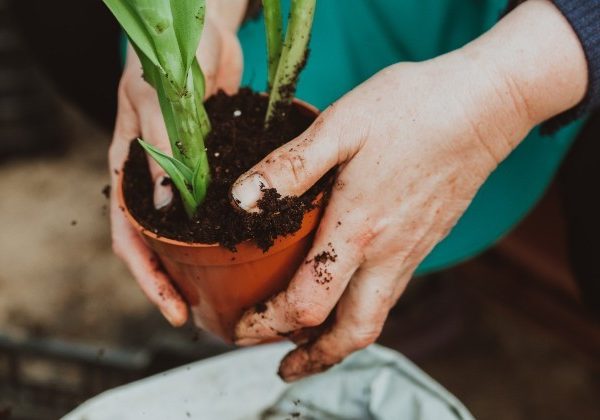
While jade trees prefer snug conditions, occasional transplantations may be necessary to replenish nutrients in the soil. Aim to transplant after flowering to minimize disruption to the plant’s growth cycle, focusing on renewing the substrate’s nutrients rather than providing additional space for root growth.
By following these care tips and providing the ideal conditions, you can encourage your jade tree to bloom, rewarding your patience and dedication with the breathtaking beauty and fragrance of its delicate flowers. Enjoy the journey of nurturing your jade tree and relish the joy of witnessing its exquisite blooms in due time.