Did you know that a common aromatic spice found in your kitchen can help your garden flowers grow lushly? This spice, cinnamon, is not only a delightful addition to your cooking but also a powerful ally in the botanical world. With its antifungal, antiparasitic, and stimulating properties, cinnamon can significantly enhance the growth and health of your plants. Let’s explore how to use this unique spice to promote the vitality of your flowers.

Why Cinnamon is a Garden Miracle
Cinnamon contains compounds like cinnamaldehyde, which have remarkable antifungal properties. These compounds make cinnamon an effective solution for preventing or treating fungal diseases in plants, such as gray mold or powdery mildew. By applying cinnamon, you can protect your plants and maintain their overall health.
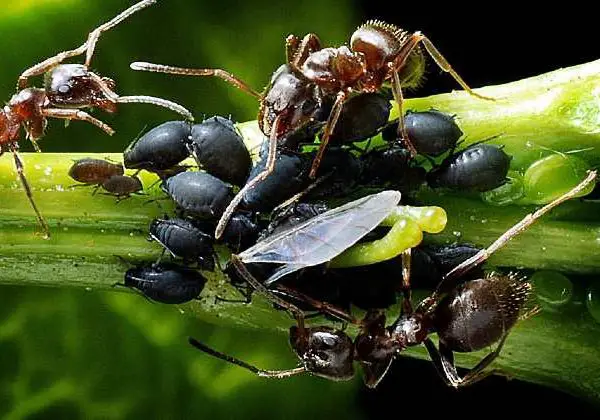
Cinnamon is also known for its anti-parasitic properties, which help repel insects and pests. It’s particularly effective against harmful pests like aphids, whiteflies, and ants, all of which can damage your flowers. Sprinkling cinnamon can help create a protective barrier to keep these invaders at bay.
Boosting Root Health and Preventing Rot
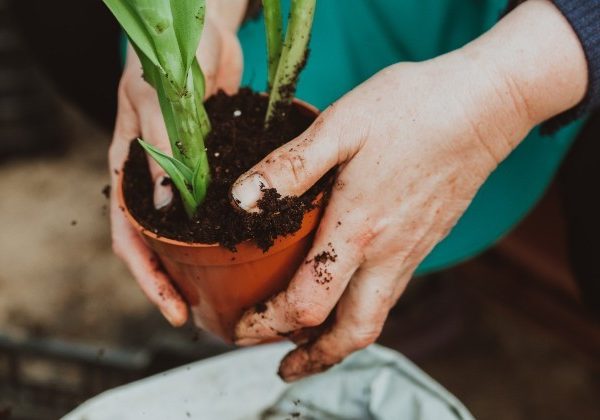
Another incredible benefit of cinnamon is its ability to stimulate rooting in plants. By applying cinnamon powder to the base of cuttings or young plants, you can encourage the formation of strong, healthy roots, improving the plant’s ability to establish itself in the soil.
Cinnamon is also useful in preventing root rot, a common problem caused by excess moisture or fungal infections. Applying cinnamon to the roots or around the base of the plant can help protect the roots from pathogens and reduce the risk of rot.
How to Use Cinnamon in Your Garden
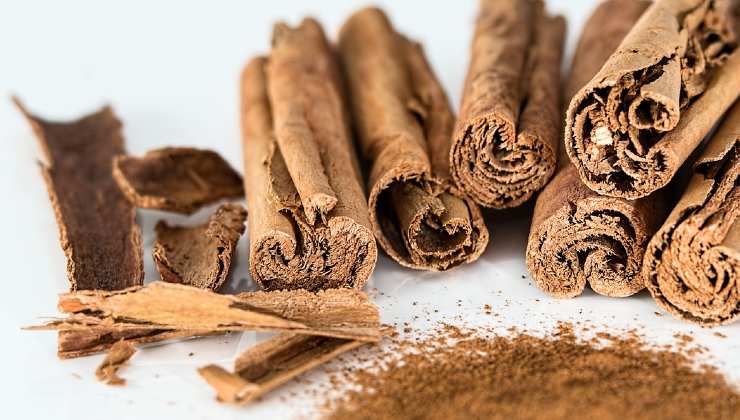
Using cinnamon in your garden is simple and effective. Here’s how you can incorporate it into your plant care routine:
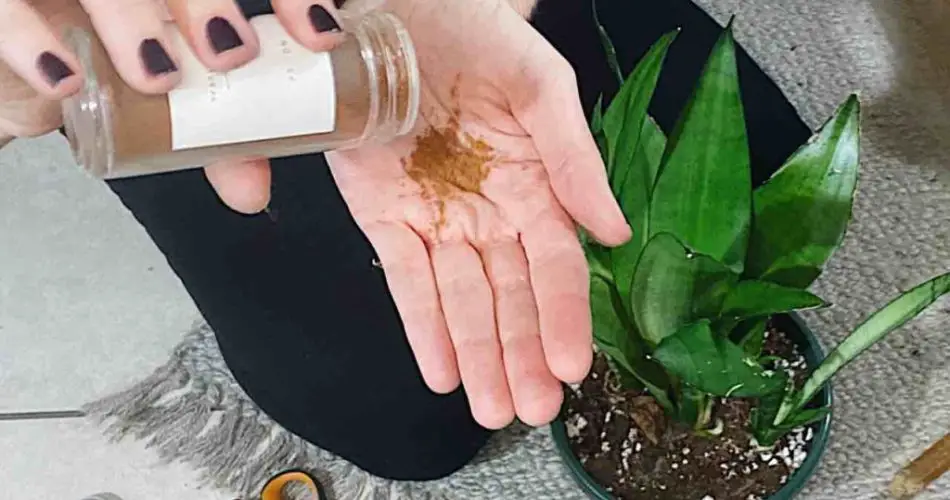
- Sprinkle Cinnamon Powder: Gently sprinkle cinnamon powder around the base of your plants or on any pruning cuts. This will help prevent fungal diseases and protect your plants from pests.
- Create a Cinnamon Spray: To create a protective spray, mix a small amount of cinnamon powder with water in a spray bottle. Shake well and spray it on your plants, especially on the leaves and flowers, to help guard against diseases and insects.
- Stimulate Rooting or Prevent Rot: If you’re transplanting cuttings or young plants, soak the roots in a cinnamon-water solution for a few minutes before planting them. This will help stimulate healthy rooting and prevent root rot.
How Often to Apply Cinnamon

For best results, it’s recommended to apply cinnamon every 1-2 weeks or after heavy rainfall. This ensures that your plants remain protected from pests and diseases.
A Few Tips for Using Cinnamon in the Garden
While cinnamon is an effective and natural solution for plant health, it’s important to remember that it might not work for all plants or in all conditions. Before applying cinnamon broadly, it’s a good idea to test it on a small part of your plant to see how it reacts. Always consult with a garden specialist if you’re unsure about its use.
Conclusion: The Power of Cinnamon in Your Garden
By adding cinnamon to your plant care routine, you can encourage lush growth, protect your flowers from pests and diseases, and promote strong, healthy roots. This natural spice offers a chemical-free way to keep your garden blooming beautifully. So, sprinkle some cinnamon and watch your plants thrive!