Garlic, known for its resilience, can encounter several challenges throughout its growth cycle, with yellowing leaves being a common issue that demands attention to prevent crop loss.
Why Does Garlic Turn Yellow?
Several factors can cause garlic leaves to turn yellow:
- Improper Watering: Both excessive and insufficient moisture can harm garlic. In dry weather, ensure thorough watering, while in rainy conditions, prevent waterlogging.
- Nutrient Deficiency: Garlic requires nitrogen, potassium, and other nutrients for vigorous growth.
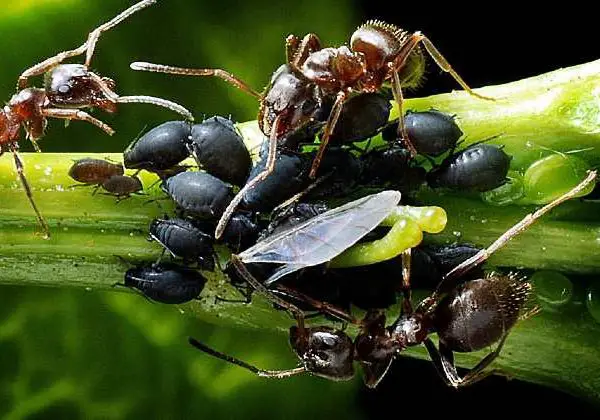
- Pests and Diseases: Issues like Fusarium wilt, onion fly, and bacterial rot can lead to leaf yellowing.
- Root Damage: Mechanical injury or soil pests can compromise the plant’s health.
What to Do If Garlic Turns Yellow?
Identifying the root cause is crucial for saving your crop:
- Adjust Watering: Ensure garlic receives ample water without allowing it to sit in waterlogged soil.
- Fertilize: If lower leaves turn yellow, it may lack nitrogen. Use urea or ammonia solutions, or opt for natural remedies like ash, compost, or chicken manure.
- Combat Pests and Diseases: Address issues promptly with appropriate measures—chemicals, biological controls, or traditional methods.
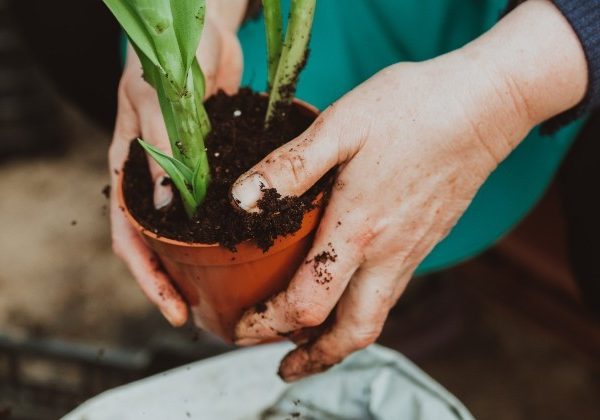
- Handle Soil Carefully: When working around plants, avoid damaging the roots by gently loosening the soil.
Preventing Garlic Yellowing:
- Rotate Crops: Avoid planting garlic in the same spot consecutively for more than 2-3 years. Enhance soil fertility with humus or compost before planting.
- Plant Winter Garlic: Sow in autumn to promote strong root development before winter sets in.
- Regular Monitoring: Regularly inspect plants to detect issues early and take timely corrective actions.
Following these straightforward guidelines ensures robust garlic growth and a productive harvest.
Remember: Yellowing garlic leaves aren’t irreversible. Prompt and appropriate interventions safeguard your harvest, ensuring flavorful and nutritious garlic bulbs.
Show Comments