Greywater is the water produced by household activities such as washing clothes, dishes, or showering. Unlike blackwater (which contains harmful bacteria), greywater is relatively clean, decomposes quickly, and is low in nitrogen and phosphorus. This makes it a suitable candidate for recycling, saving valuable water and reducing your water bill. But can you use washing machine water to water your plants? Let’s take a look!
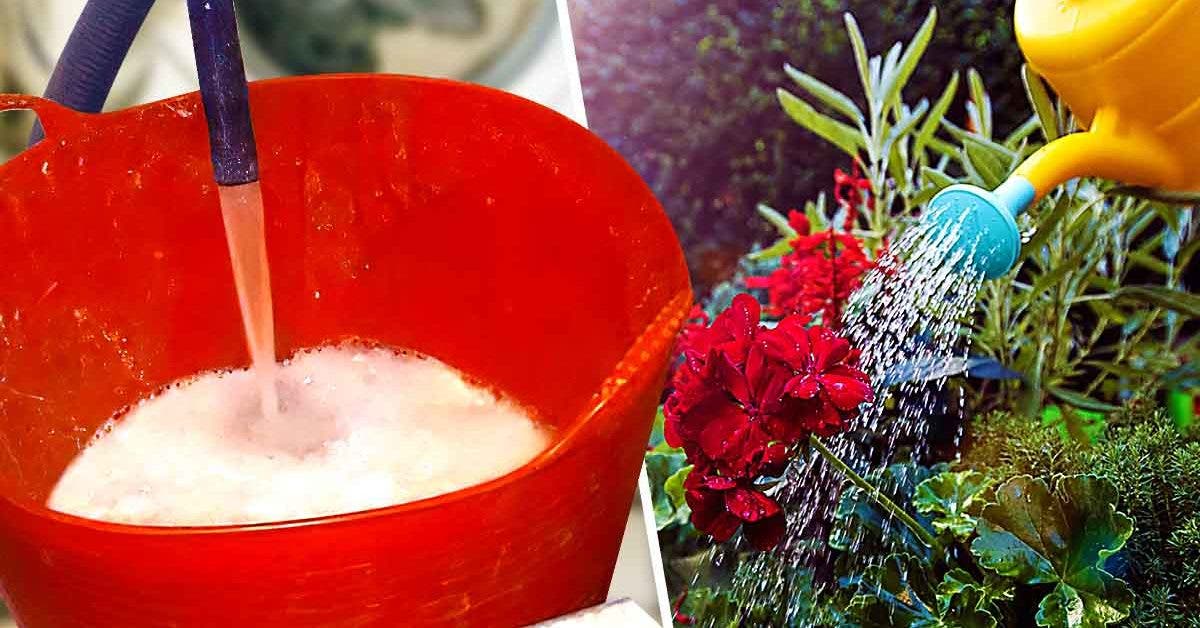
Is It Possible to Reuse Washing Machine Water to Water Plants?
Yes, you can use washing machine water to water your plants, but with a few important conditions. The key is to only use water from the final rinse cycle. This water contains very little soap, making it safe for plants. In fact, some soaps even contain potash, which can help plants grow. However, be cautious if you’re using non-ecological detergents. These may contain chemicals that can harm your plants, so avoid using this water on your garden or soil.
Additionally, first rinse water should not be used, as it still contains soap and may damage plants. Similarly, shower and dishwater can also be used, as long as they are from the rinse phase and don’t contain harmful chemicals.
Important Guidelines for Using Washing Machine Water on Plants
- Timing Matters: Keep greywater for no more than 24 hours to prevent bacteria development.
- Use Occasionally: It’s best to use greywater occasionally, particularly during periods of severe drought or for short periods.
- Avoid Edible Plants: Do not use washing machine water to irrigate edible plants to avoid contamination with pathogens.
- Best for Lawns and Ornamental Gardens: Washing machine water is better suited for lawns or decorative plants, not for your vegetable garden.
What Other Waters Can Be Used to Water Plants?
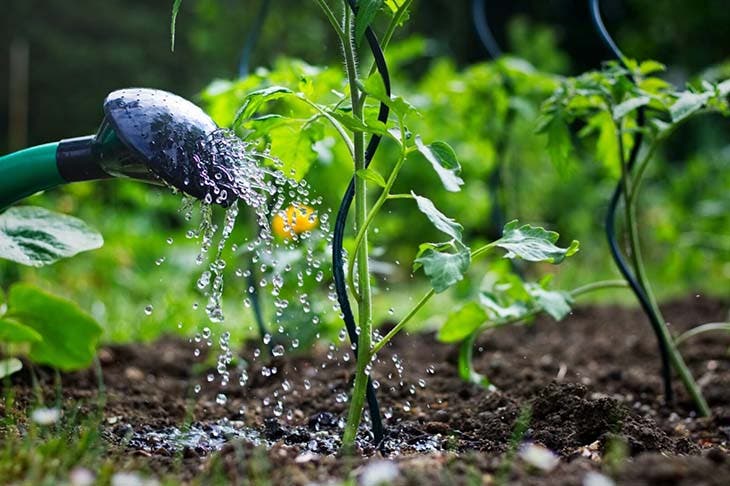
If you’re looking for additional eco-friendly watering options, here are some alternatives:
- Vegetable Cooking Water: After cooking vegetables, cool down the cooking water and use it to water your plants. This water is rich in minerals, making it a natural fertilizer that will boost plant vigor. Just ensure the water is salt-free and that the vegetables were organic and untreated. Tip: Potato cooking water is an excellent natural weed killer. Pour cooled potato water over weeds to eliminate them effectively.
- Rainwater: Rainwater is often the best option for plants, as it is typically non-calcareous (low in calcium) and is perfect for most plants. Always try to collect rainwater in a container for later use, especially during dry spells. Avoid using water that is either too cold or too hot, as this can cause thermal shock to your plants and harm their roots.
Conclusion
Reusing washing machine water for plants is an eco-friendly way to save water and help your garden flourish. However, it’s important to follow the guidelines: use only rinse water, avoid watering edible plants, and ensure you use the water within 24 hours. You can also explore other water recycling methods, such as using vegetable cooking water or rainwater, for a sustainable gardening routine. So, go ahead and give your garden a boost while conserving this vital natural resource!