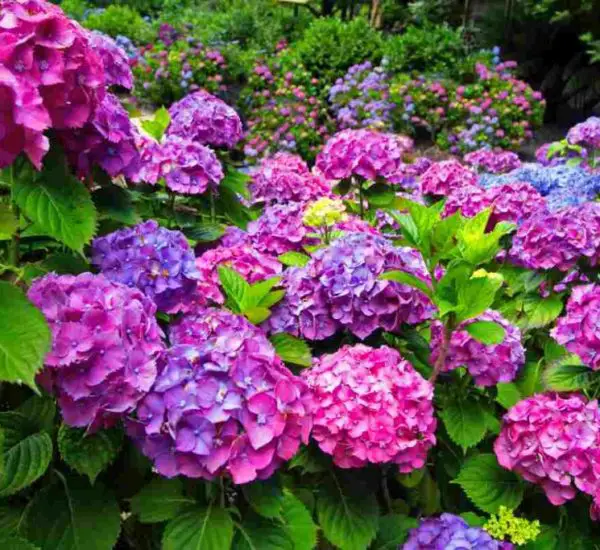
A garden hedge is an excellent way to mark your boundaries and provide privacy from your neighbors. Whether it’s a flowering hedge or a green plant hedge, these arrangements can create a colorful and inviting space in your garden. For a fragrant and low-maintenance hedge, lavender is the perfect choice. Known for its beautiful blooms and delightful scent, lavender will perfume your garden and bring a touch of summer to your outdoor space. Here are seven essential tips for successfully planting and maintaining a lavender hedge in your garden.
What Are the 7 Conditions for Having a Beautiful Lavender Hedge in Your Garden?
If you want to create a fragrant and beautiful border for your garden, lavender is the plant to choose. Follow these steps for a thriving lavender hedge.
1. Lavender: An Ideal Plant for a Beautiful Flowering Hedge
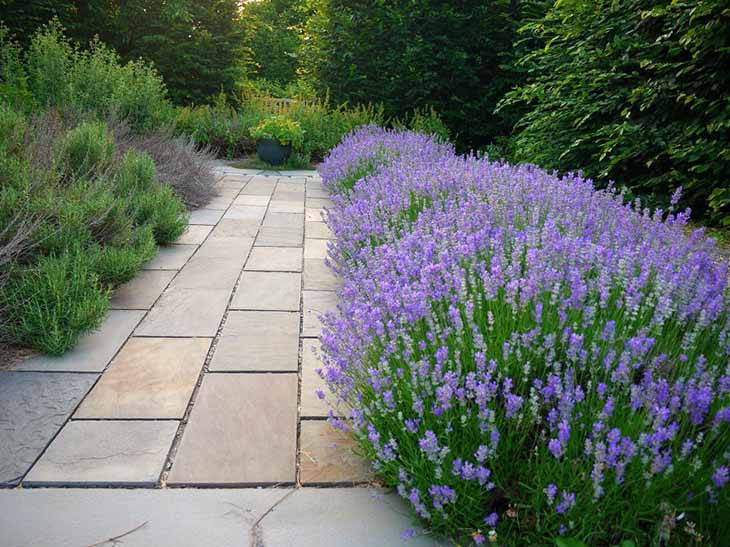
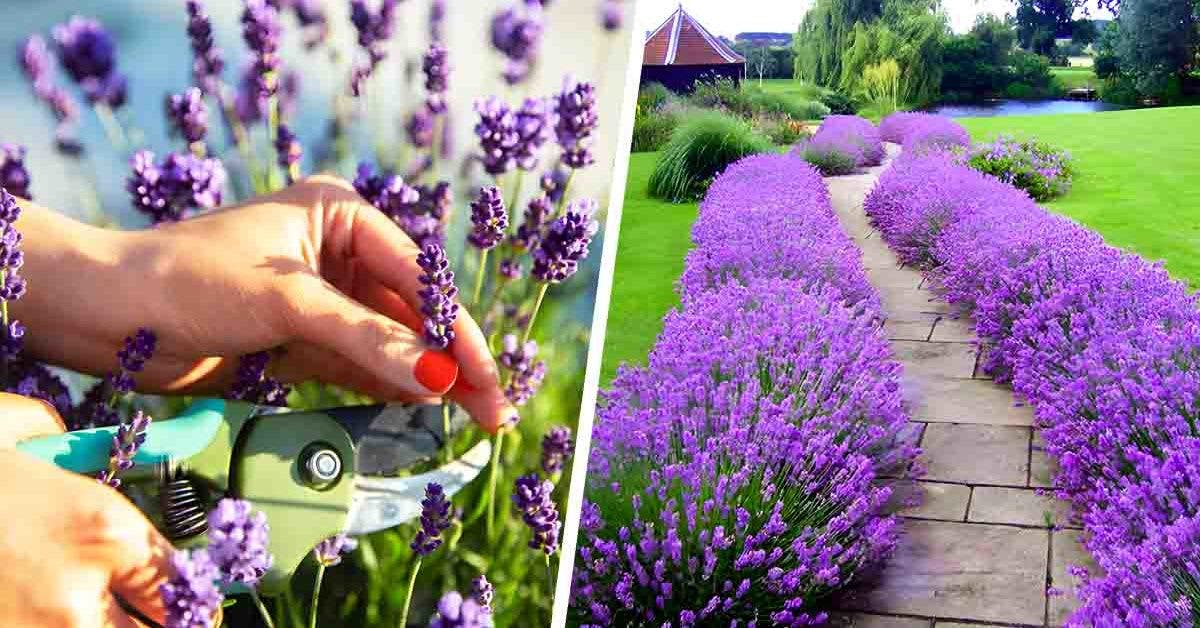
Lavender is a hardy plant that doesn’t require much care. These small shrubs are well-known for their purple flowers and their sweet fragrance that fills the air, making them perfect for creating a lovely flowering hedge. Depending on the variety, lavender blooms in colors ranging from white to pink, blue, and purple. Once established, lavender requires minimal water and can even thrive during drought conditions. It makes a beautiful, fragrant border along garden paths or in any outdoor space.
2. Plant Lavender Properly for a Flowering Hedge
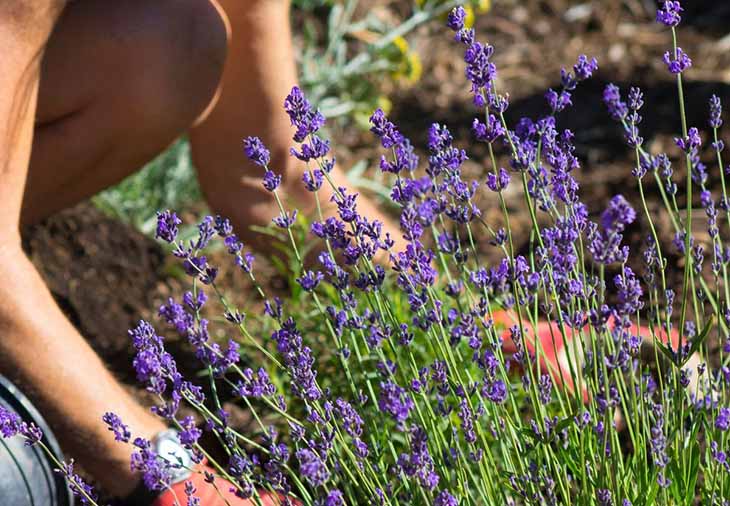
When planting lavender, the key is to ensure they have dry soil and a sunny location. Lavenders need at least six hours of sunlight per day to grow well. They thrive in hot, dry climates and require well-drained soil. To create the perfect conditions for blooming, add gravel to improve drainage. Once planted, lavender needs very little water, making it an easy-care option for your garden.
3. Choose the Right Location for a Harmonious Lavender Hedge
To create a balanced and healthy lavender hedge, space the plants 30-40 centimeters apart. Lavender tends to spread out, so it’s important to leave enough room for proper growth. Dig a wide hole for each plant, placing the lavender at a depth where the root ball is slightly below ground level. After placing the plant in the hole, fill in the soil and gently press it down with your hands or feet. Once the plants are properly settled, water them gently—but avoid overwatering, as too much water can distort the plant’s natural shape.
4. Trimming Your Lavender Hedge
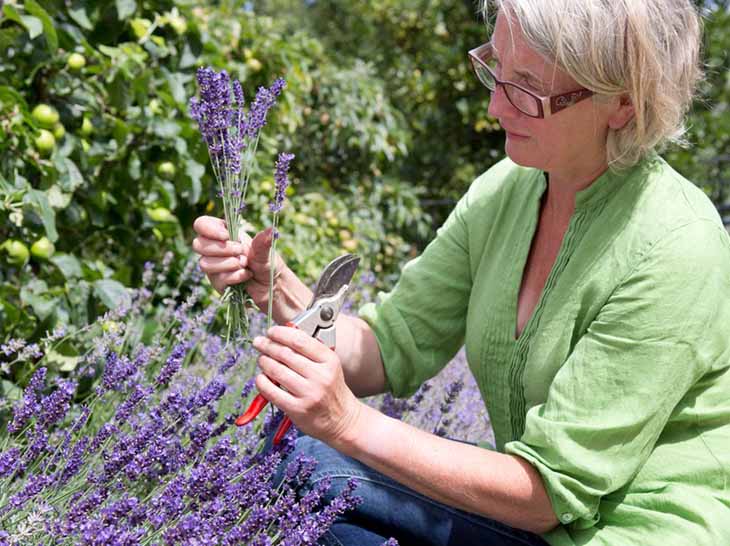
Pruning is essential for keeping your lavender hedge looking neat and encouraging new growth. At the end of each flowering season, cut back two-thirds of the young shoots. Be sure to remove faded stems close to the base and trim the branches by about half their length. This will help your lavender plants bloom again the following season and maintain a tidy appearance.
5. Good Air Circulation is Essential for Lavender Hedge Growth
Adequate air circulation is crucial for preventing disease when growing lavender as a flowering hedge. By ensuring that the plants are well-spaced, each lavender will receive enough airflow, reducing the risk of root rot and fungal issues. Proper spacing is also important for keeping your hedge healthy and vibrant.
6. Respect the Planting Distances for Your Lavender Hedge
When planting a lavender hedge, it’s important to follow local planting regulations. If your hedge is under 2 meters tall, you can plant it 50 centimeters from your neighbor’s property line. For hedges taller than 2 meters, they must be positioned at least 2 meters from the boundary. If you plan to create a shared hedge with your neighbor, make sure you reach an agreement on where to plant it along your property line.
7. Limit Maintenance with Mulch
To reduce the amount of upkeep for your lavender hedge, consider applying mulch around the plants. Mulching helps prevent moisture evaporation, keeping the soil more stable and reducing the need for frequent watering. A 10 cm layer of mulch around the base of your lavender will also help limit weed growth and keep pests away from your plants.
Conclusion
By following these seven tips, you can create a beautiful and low-maintenance lavender hedge that will last for years. This perennial plant can thrive for up to 15 years with proper care, providing your garden with fragrant blooms and a stunning, natural border. Happy planting!