Building a well in your garden is a dream for many homeowners, especially those with large gardens or vegetable patches. However, there are legal considerations and steps you must follow before digging. If you’re thinking about installing a private well, here’s what you need to know.
The Benefits of Having a Well in Your Garden 🌱
A private well is an excellent solution for watering your garden or vegetable garden, especially during the hot summer months. Using water from a well can also be more cost-effective than relying on municipal water systems, which may be restricted for garden use in some areas.
Many people prefer wells as a safe, reliable water source for domestic use, helping to sustain their plants and garden with fresh water. But can you legally install one in your garden? Let’s explore the details.
The Law and Building a Well 📜

When it comes to groundwater, the law is clear: it belongs to the State. This means that before you can extract water from the ground, you must follow certain regulations at the national or regional level.
However, homeowners can still use underground water on their property, as long as they follow the local rules. According to the law, a domestic well—a well intended solely for personal use (such as watering plants or household needs)—can be dug, and water can be used without incurring any charges.
In other words, if you want to build a well to irrigate your garden or supply water for everyday use, you’re allowed to do so. But there are important steps to follow to ensure compliance with regulations.
Steps to Take Before Building a Well ⚒️

Before proceeding with digging a well, there are certain things you must consider:
- Check for Local Restrictions: There may be regulations regarding the location of the well, such as required distances from property borders or any hydrogeological restrictions.
- Apply for Authorization: You’ll need to send a formal request to your local municipality. This will include a detailed plan and a technical report of the proposed well.
- Wait for Approval: The municipality usually requires 30 to 60 days to review your application before granting approval to proceed with construction.
- Annual Reporting: Once the well is operational, you must report the amount of water extracted annually to the relevant authorities.
How to Build Your Garden Well 🌍

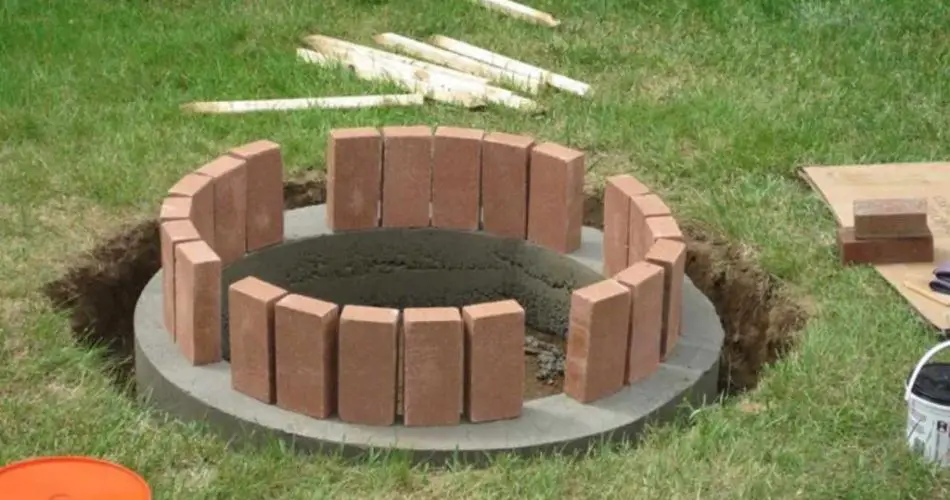
Once you’ve received permission, it’s time to start digging. There are different types of wells to choose from, depending on your needs:
- Shallow Wells: These are easier and cheaper to dig but may have lower water quality since they draw from superficial aquifers.
- Deep Wells: While more expensive and technically challenging, deep wells offer better water quality and higher productivity.
It’s important to consult a professional designer to determine the most appropriate well for your property. After drilling, the well will require additional installations, such as a pump, autoclave tank, electrical panel, and a tap.
Additionally, the well’s opening must be secured with a metal trapdoor or a small shed with a lock to prevent accidents.
Maintenance of Your Domestic Well 🛠️
Luckily, maintaining a domestic well doesn’t require much work. However, here are a few maintenance tips:
- Check the pump and tap regularly to ensure they’re functioning correctly. Overuse can cause damage, like a burned motor or clogged tap.
- If the well’s productivity decreases, you might need to use compressed air to clean it and restore its functionality.
Conclusion: Ready to Dig Your Own Well? 🌊
By following the proper legal steps and maintenance guidelines, you can easily build a private well in your garden. This will allow you to enjoy a sustainable water source for your plants and garden without the need to pay for municipal water.
Now that you know what the law says and what steps to take, you can confidently start the process of installing your well. Happy gardening! 🌿