If you want to grow lush plants without relying on chemicals, a natural fertilizer could be the perfect solution. Fertilizers improve soil quality, provide essential nutrients, and encourage healthy plant growth. Here’s how you can make the most of natural fertilizers and grow vibrant plants.
What is a Natural Fertilizer?

A natural fertilizer is a substance that enhances the soil by adding nutrients such as nitrogen, phosphorus, and potassium, which plants need to thrive. These nutrients are crucial for the healthy growth of plants, helping them develop strong roots, produce flowers or fruits, and maintain vibrant leaves.
Types of Fertilizers: Organic vs. Chemical

Fertilizers can come in many forms: liquid, granular, or powder. While chemical fertilizers can sometimes harm the environment and human health, natural fertilizers are a safer option, being free from synthetic chemicals. Organic options, like milk, offer a more eco-friendly way to nourish your plants.

The Benefits of Natural Fertilizers
- Less Harmful to the Environment: Unlike chemical fertilizers, organic fertilizers are made from natural ingredients and have a much lower environmental impact.
- Better for Plant Health: Organic fertilizers release nutrients more slowly, giving plants a steady supply of essential elements without overfeeding them.
- Cost-Effective: Using natural alternatives like milk can save you money while helping your plants thrive.
How Plants Respond to Fertilizers

Plants absorb nutrients through their roots, a process called root uptake. The nutrients, including calcium, magnesium, and sulfur, are transported to different parts of the plant, supporting growth and development. A well-balanced natural fertilizer can encourage:
- Increased Growth: Plants grow taller and stronger.
- More Flowers/Fruits: Fertilizers boost flower and fruit production.
- Richer Leaf Color: The plant’s leaves may become more vibrant and healthy.
However, be careful not to overapply fertilizer. Excessive nutrients can lead to leaf burn or overgrowth, weakening your plants and making them vulnerable to disease.
Milk as a Natural Fertilizer

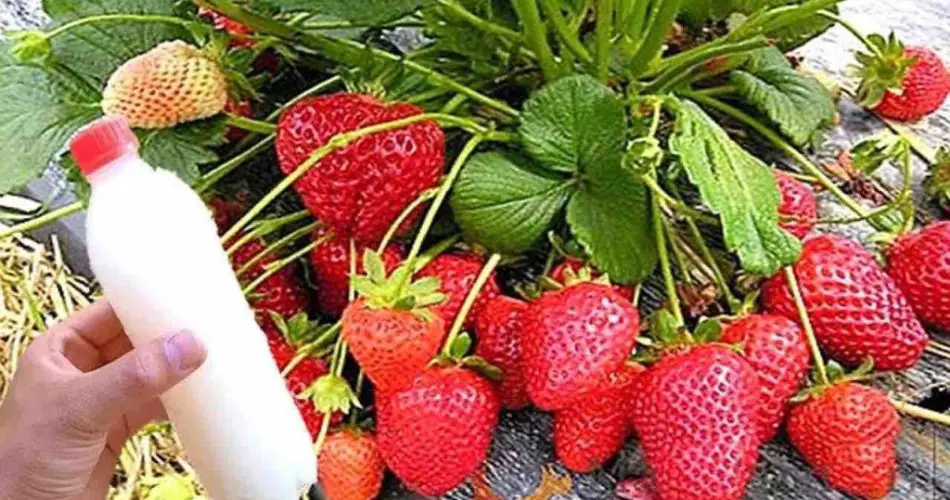
Milk is a surprising but effective natural fertilizer. Packed with calcium, vitamins, and minerals, milk is particularly helpful for plants prone to diseases, like tomatoes, peppers, and zucchini. Here’s how to use milk as a fertilizer:
- Prepare the Milk Solution: Mix equal parts of whole milk (cold) and water in a bottle.
- Water Your Plants: Pierce the cap and use the mixture to water your plants. This will provide them with extra nutrients for growth.
Milk helps plants grow larger leaves and fruits while enhancing overall vitality.
Milk as a Natural Pesticide
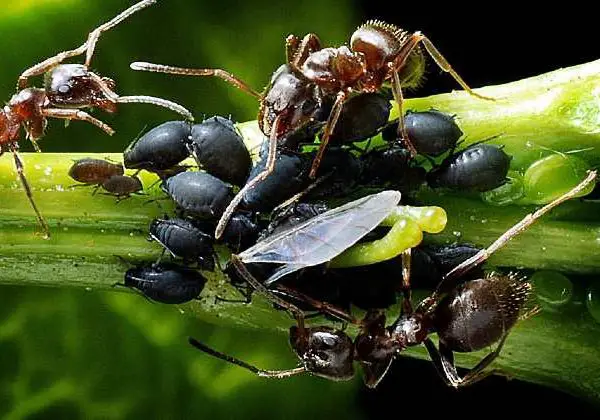
Besides being a fertilizer, milk can also act as a natural pesticide. It’s effective against pests like mites, aphids, and other small insects. Here’s why:
- Insects like mites and aphids cannot digest the high sugar content in milk, leading to their natural elimination from your plants.
- A 50% diluted milk solution works best for this purpose.
Milk and Fungal Prevention

In addition to pests, plants sometimes face fungal attacks that leave them wilted and less vibrant. Fortunately, milk can help prevent and fight these fungal issues. Here’s what you can do:
- Prepare a Spray: Mix milk with water (1:1 ratio) and place it in a spray bottle.
- Spray the Leaves: Apply the milk solution to your plants, focusing on the leaves where mold and fungi often appear.
Using milk as a spray not only prevents fungi but can also aid in the absorption of other natural pesticides.
Conclusion
For a lush garden without the chemicals, try using milk as a natural fertilizer and pesticide. It’s a cost-effective, environmentally friendly, and highly beneficial solution to support your plants’ health and growth. Just remember to apply it carefully, and your plants will flourish, producing vibrant leaves, flowers, and fruits in no time!