Growing succulents can be a rewarding and relatively easy task. Here are some tips for growing the seven types of succulents mentioned:
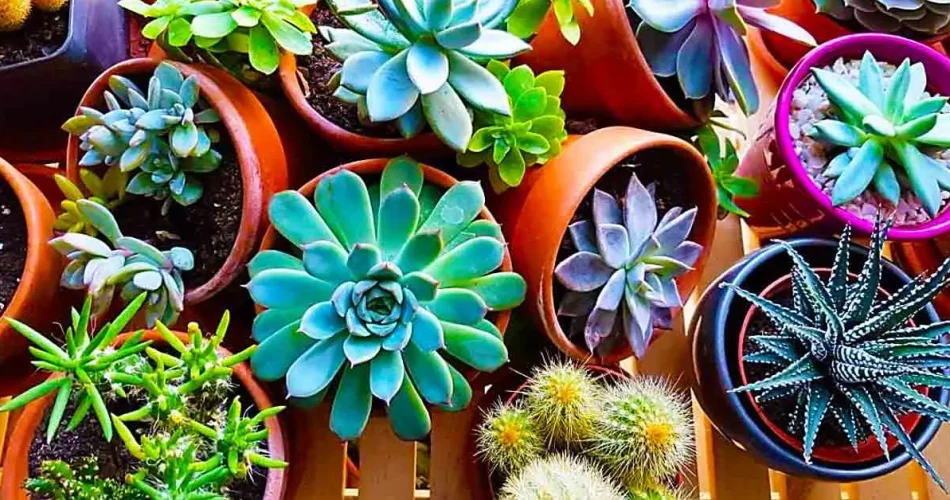
- Echeveria elegans:
- Requires full sun for optimal growth.
- Keep the soil well-drained and allow it to dry out between waterings.
- Plant in a pot with good drainage.
- Crassula ovata gollum:
- Known for its compact leaves.
- Resistant to diseases and parasites.
- Requires minimal maintenance and is adaptable to different conditions.
- Senecio Rowleyanus:
- Features long stems filled with spherical leaves.
- Decorative and produces white flowers with a subtle cinnamon scent.
- Thrives in well-draining soil and bright, indirect light.
- Sedum carnicolor:
- Resistant to extreme temperatures.
- Water sparingly to prevent root rot.
- Well-suited for hot or cold climates.
- Haworthia fasciata:
- Thick, fleshy leaves with a hard texture.
- Tolerant of low temperatures and prefers ample sunlight.
- Ideal for beginners due to its resilience.
- Sedum morganianum:
- Native to Mexico with stems that can grow up to one meter.
- Features grayish-green foliage and can produce small red buds.
- Requires well-draining soil and plenty of sunlight.
- Graptopetalum paraguayense:
- Resembles a flower and has compact leaves.
- Features a slightly purple tint on a dark green background.
- Prefers ample sunlight and well-draining soil.
Growing Tips:
- Provide ample sunlight, ideally on a terrace or balcony.
- Use pots with drainage holes to prevent waterlogging.
- Use a mixture of damp sand and fertilized soil for planting.
- Consider adding clay balls for better irrigation in larger pots.
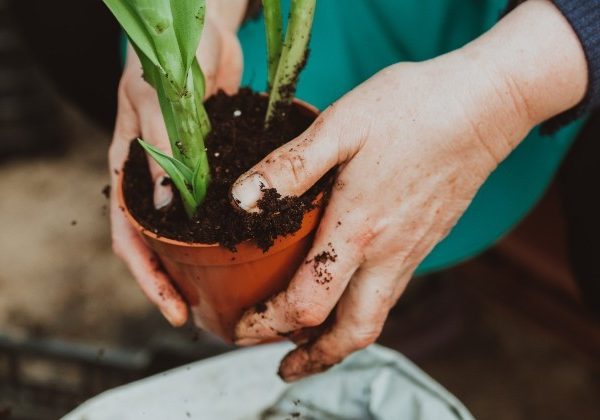
- Repot into a larger container when necessary, ensuring proper coverage of roots with soil.
- Cover the surface of the potting soil with sand and pebbles to reduce water evaporation.
By following these tips, you can successfully grow and care for various types of succulents, adding beauty and greenery to your home or garden.
Show Comments