A garden hedge not only marks the boundaries of your property but also adds beauty and privacy. Whether you’re looking for a flowering hedge or a green hedge, creating a hedge with lavender is an excellent choice. Lavender is easy to grow, and its fragrant flowers will perfume your entire garden. Here are seven essential tips for planting and maintaining a stunning lavender hedge in your garden.
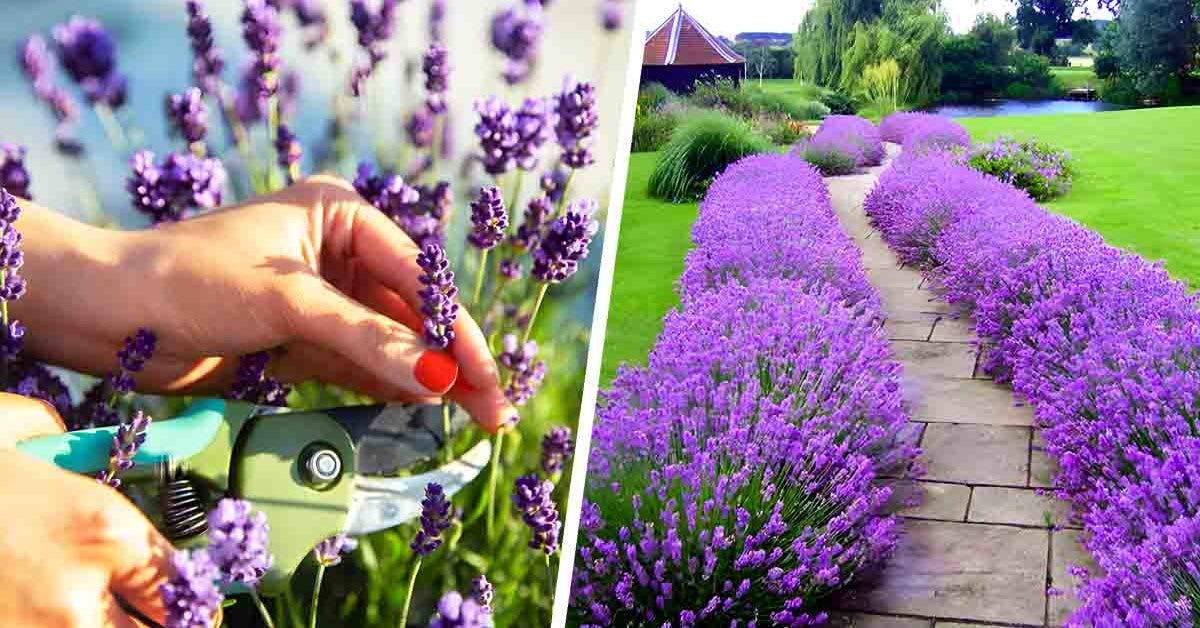
1. Lavender: The Ideal Plant for a Beautiful Flowering Hedge
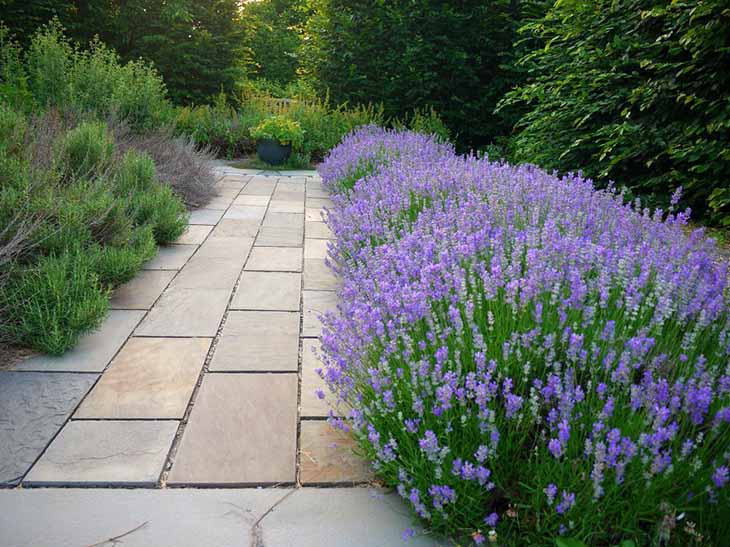
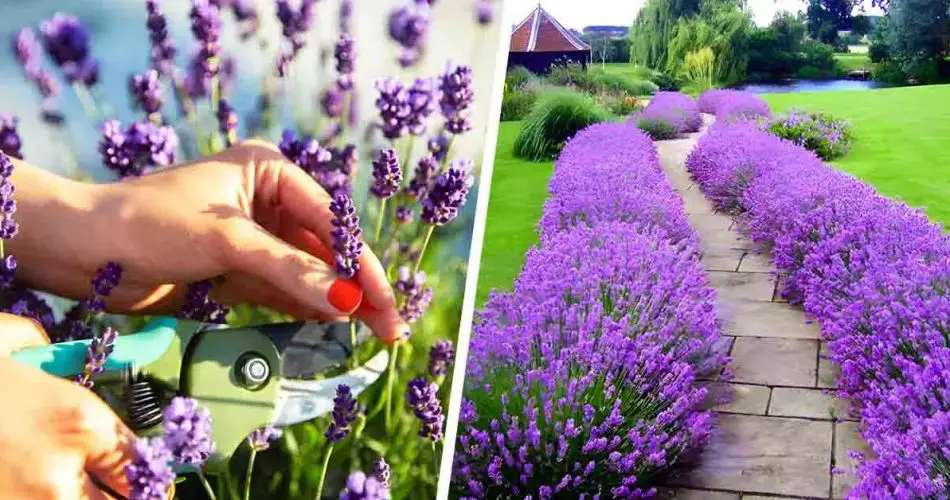
Lavender is a hardy plant that thrives with minimal maintenance. Known for its purple flowers and summer scent, lavender comes in a range of colors from white and pink to blue and purple. A lavender hedge can be used to delineate paths, creating fragrant and colorful borders. Once planted, lavender requires very little water, even thriving during droughts.
2. Plant Lavender Correctly for a Flourishing Hedge
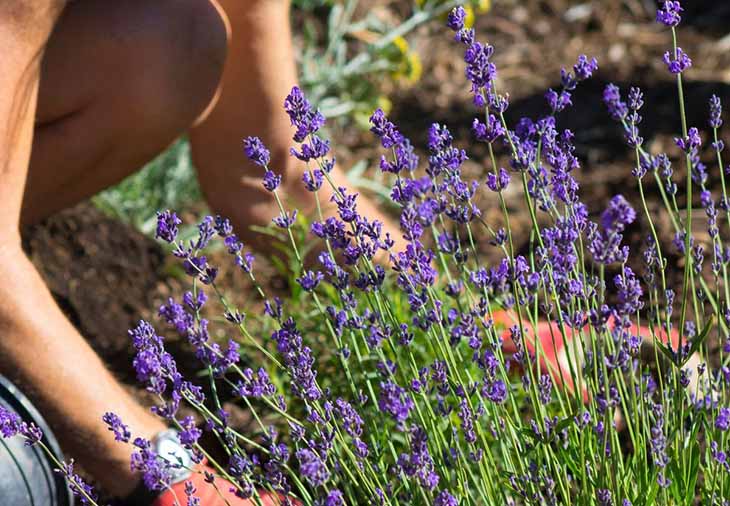
To plant lavender, choose dry soil and a sunny location. Lavender requires six hours of sunlight per day to grow well. It flourishes in hot, dry climates and doesn’t need much water. The plant will thrive in well-drained soil, ideally with some gravel mixed in to improve drainage.
3. Choose the Right Location for a Harmonious Lavender Hedge
For an attractive lavender hedge, space the plants 30-40 centimeters apart. Lavender can spread widely, so this space is essential for its healthy growth. Dig a wide planting hole, placing the lavender plant with the top of the root ball slightly lower than ground level. Fill the hole with soil, pressing it down firmly with your hands or feet. After planting, water the lavender to moisten the soil—but be cautious not to overwater, as too much water can affect the plant’s shape.
4. Pruning Your Lavender Hedge
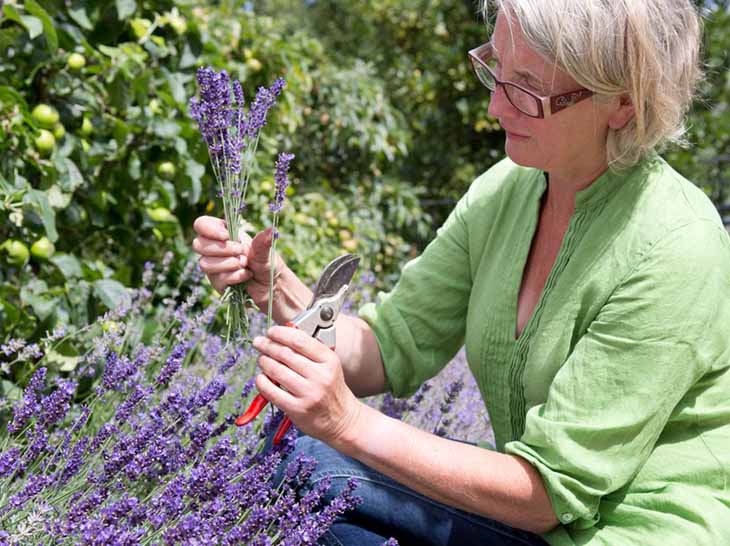
To maintain a neat and healthy lavender hedge, prune your lavender plants after each year’s flowering. Trim two-thirds of the young shoots and remove the faded stems as close to the roots as possible. Cutting back the branches by half their length encourages new growth and blooming in the following season.
5. Ensure Good Air Circulation for Healthy Lavender
Proper air circulation is crucial when growing lavender as a hedge. Spacing your lavender plants adequately will allow each plant to receive enough air, reducing the risk of disease and root rot. Make sure the plants are not too crowded to promote a healthy growing environment.
6. Follow Planting Distance Guidelines for Your Lavender Hedge
When planting a lavender hedge, be mindful of local regulations and your neighbors. If your hedge is no taller than 2 meters, plant it at least 50 centimeters from the property line. For taller hedges, ensure the distance is at least 2 meters from the neighbor’s property. If you’re creating a shared hedge, it’s a good idea to reach an agreement with your neighbor about planting on the boundary line.
7. Limit Maintenance by Mulching Your Lavender Hedge
Mulching is an excellent technique to reduce maintenance and help your lavender hedge thrive. A 10-centimeter layer of mulch will help retain moisture in the soil, reduce weed growth, and protect the plants from pests. Mulching also prevents the soil from drying out too quickly, making it easier to maintain a healthy hedge.
With these 7 tips, you’re now ready to plant a beautiful lavender hedge in your garden. Lavender is a perennial plant that can last up to 15 years with proper care, bringing beauty and fragrance to your outdoor space for years to come.