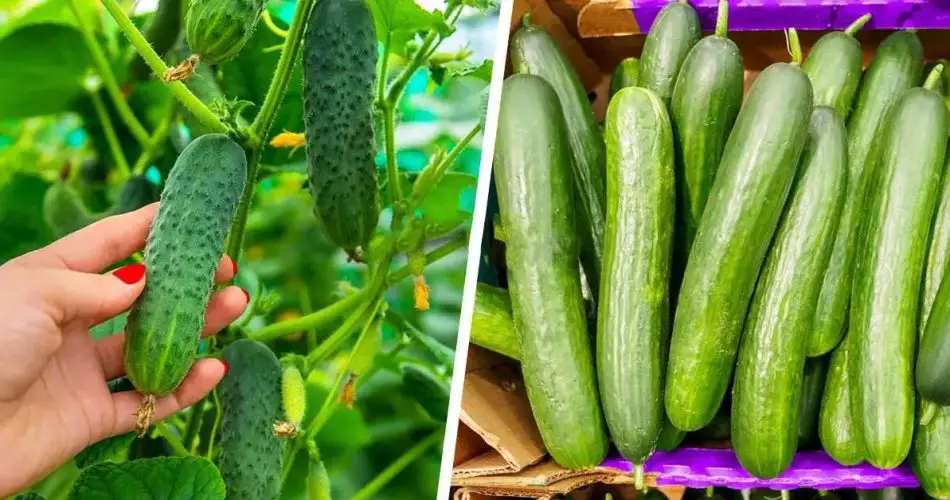
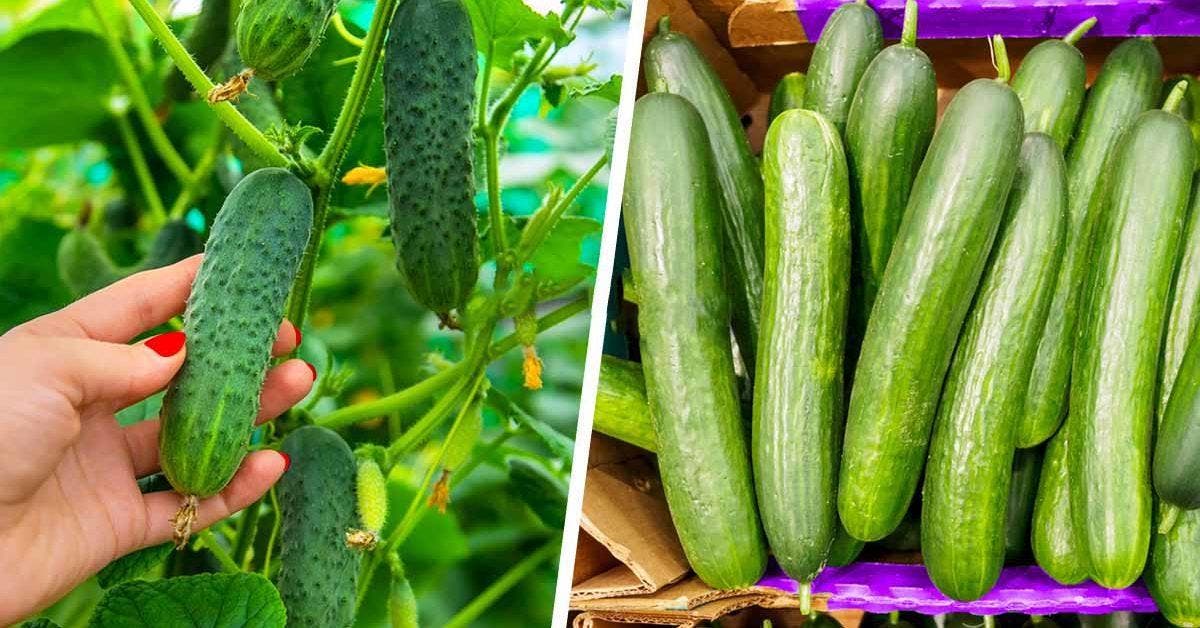
Cucumbers are an annual vegetable known for their refreshing taste and high water content, making them a great addition to salads or enjoyed raw. Native to Asia, these summer vegetables are not only delicious but also beneficial for good intestinal transit. If you want to enjoy an organic harvest, consider growing cucumbers in your vegetable garden. Here are 6 important tips to help you successfully sow cucumbers.
1. Respect the Sowing Period
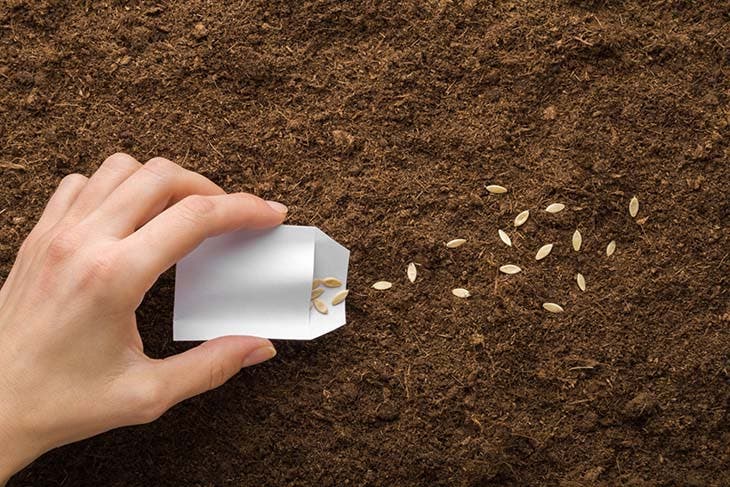
Cucumbers thrive in sunny, temperate climates. The ideal time to sow cucumbers is between March and May. If you plan to start sowing in March, do so under heated cover. Only transplant the young plants outdoors after the last frost, typically from mid-May. Maintain a spacing of one meter between the plants. For direct sowing, wait until mid-May and plant up to 3 seeds per hole with the same spacing.
2. Choose Suitable Soil
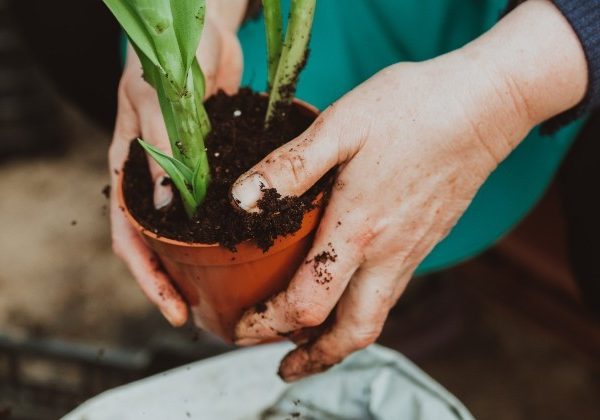
Cucumbers prefer well-drained, deep, and loose soil. They thrive in humus-rich soil, which is filled with plant debris. If starting seeds indoors, use high-quality potting soil known for its ability to retain water and nutrients while allowing air circulation around the roots. Plant up to 3 seeds per pot and cover them with about 2 cm of potting soil.
3. Keep Cucumber Seeds Warm
For seeds to germinate, they need heat. Ensure you wait until frosts are over to plant them in the ground. For indoor seedlings, place the pots on a warm surface, such as a refrigerator, and cover with transparent film to retain heat. Aim for a temperature of around 20°C for optimal germination.
4. Maintain Moisture for Successful Germination
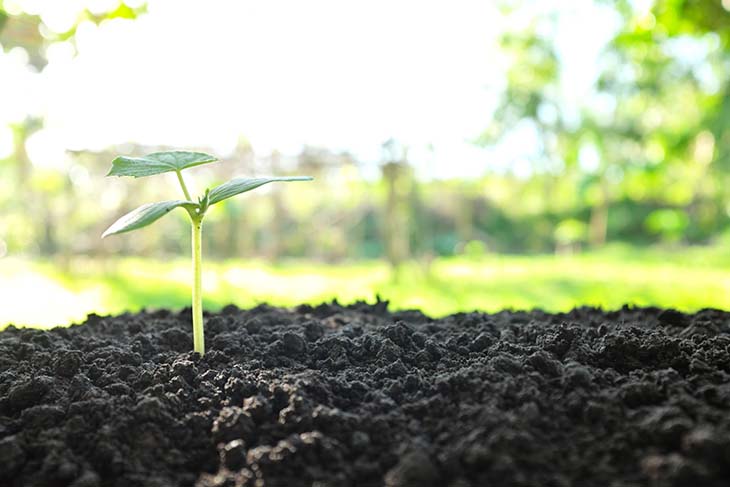
Seeds require moisture to germinate. While covering the pots with film helps retain heat and moisture, it’s crucial to check the soil daily and water as needed. Avoid overwatering, as this can lead to root rot and wilting in young plants.
5. Provide Light Exposure for Young Plants
As soon as cucumber seeds begin to germinate, they need light. Remove the transparent film and place the tray under a fluorescent bulb, as natural light may not be sufficient. Even seeds sown directly in the garden need full sun exposure while being sheltered from wind.
6. Know When to Prune and Transplant
Transplanting is only necessary for seedlings grown in pots. Once the young plants reach about 3 cm in height, prune out the weaker ones, leaving only the strongest in each pot. When they grow to 5 cm, transplant them into the garden in a sunny spot.
What Vegetables to Avoid Near Cucumbers
Certain vegetables can hinder cucumber growth. Avoid planting them near melons, brassicas (like kohlrabi, cauliflower, and kale), sage, fennel, and potatoes.
By keeping these 6 tips in mind, you’ll be well on your way to successfully sowing cucumbers and enjoying a healthy, vigorous harvest!