Coffee grounds are indeed a valuable resource in the garden, offering numerous benefits for plants.
Here are 6 beneficial uses of coffee in your garden plants:
Compost:

Incorporate leftover coffee grounds into your compost pile. Coffee grounds aerate the compost, provide nutrients, and improve moisture retention and drainage. Use a maximum proportion of 20% coffee grounds to avoid adverse effects on the compost.
Fertilizer:

Create a coffee-based fertilizer by soaking coffee grounds in water overnight and then applying the solution to the soil around plant stems and leaves. The nitrogen-rich content of coffee grounds enhances flowering and fruiting and promotes microbial growth.
Natural pesticide:

Sprinkle a thin layer of coffee grounds around plants to deter snails and slugs. The coarse texture of coffee grounds creates an uncomfortable surface for these pests, preventing them from damaging plants.
Worm food:

Coffee grounds make an excellent food source for earthworms, which are beneficial for soil health. Apply a small amount of coffee grounds weekly to encourage worm activity and improve soil aeration.
Mulching:

Use recycled coffee grounds as a mulch to cover the soil surface. A 2 cm layer of coffee grounds acts as a weed barrier, retains soil moisture, and protects the soil from temperature fluctuations and erosion.
Substrate for seedbeds:

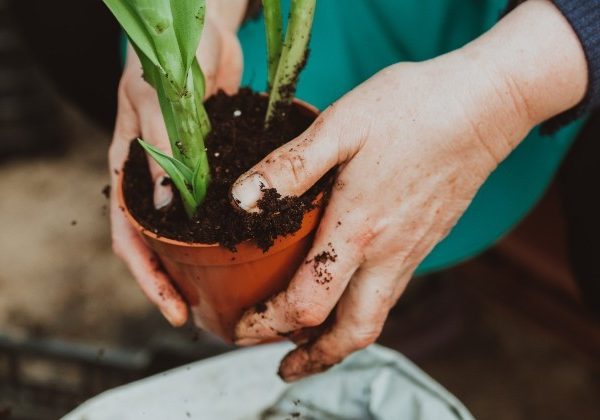
After washing and drying used coffee grounds, use them as a substrate for seedlings. Coffee grounds capture moisture, promote drainage, and provide a sustainable medium for seedling growth, allowing roots to develop efficiently.
By incorporating coffee grounds into your gardening practices, you can enhance soil fertility, protect plants from pests, and promote sustainable cultivation methods. Plus, it’s a great way to repurpose coffee waste and contribute to a circular economy.