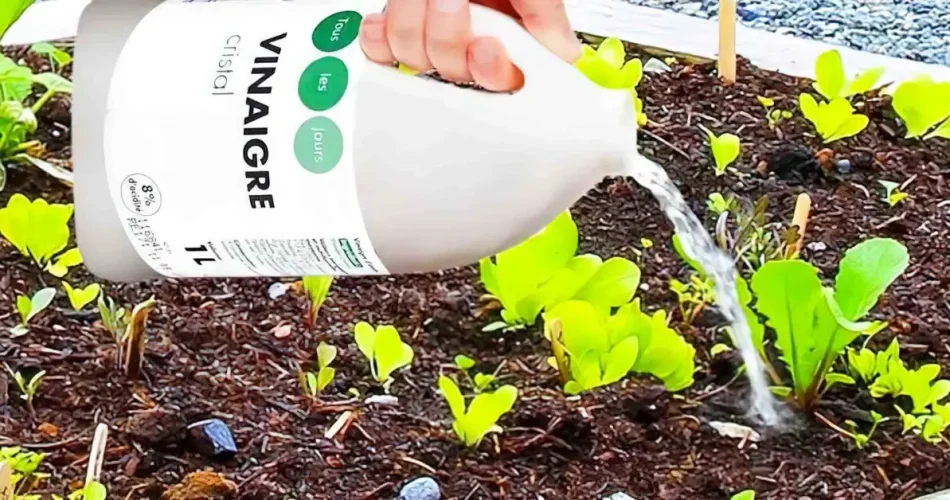
Vinegar, a common household ingredient, can be used in various ways to benefit your garden. Here are five uses of vinegar in the garden:
- Weed Killer:
- Vinegar can be an effective natural weed killer, particularly for weeds growing in cracks between paving stones or in areas where you don’t want vegetation to grow. The acetic acid in vinegar acts as a desiccant, drying out the leaves and eventually killing the plant.
- Mix equal parts white vinegar and water in a spray bottle.
- Spray the solution directly onto the leaves and stems of unwanted weeds, ensuring thorough coverage.
- Reapply as needed, especially after rainfall or watering.
- Soil Acidifier:
- Some plants prefer acidic soil conditions, such as azaleas, rhododendrons, and blueberries. Vinegar can be used to acidify soil if necessary.
- Mix one tablespoon of vinegar with one gallon of water.
- Water your acid-loving plants with this solution periodically to adjust the pH of the soil and create a more suitable growing environment for them.
- Deter Pests:
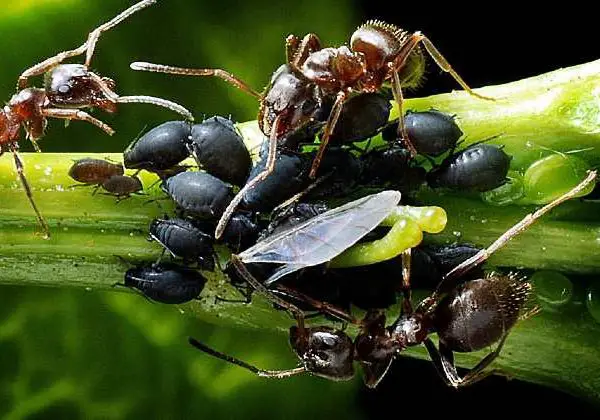
- Vinegar can help deter certain garden pests, such as ants, slugs, and cats.
- Create a barrier around plants or areas where pests are present by spraying a mixture of vinegar and water along borders or directly on affected areas.
- The strong odor and taste of vinegar may repel pests and discourage them from entering your garden or damaging your plants.
- Clean Garden Tools:
- Vinegar is a natural and effective cleaner for garden tools, removing dirt, rust, and mineral deposits.
- Fill a bucket or container with undiluted vinegar.
- Soak garden tools, such as trowels, pruners, and shears, in the vinegar solution for several hours or overnight.
- Use a brush or cloth to scrub away any remaining debris.
- Rinse the tools thoroughly with water and dry them before storing to prevent rusting.
- Clean Clay Pots:
- Over time, clay pots can accumulate mineral deposits, algae, and other residues that may affect plant health. Vinegar can help clean and disinfect clay pots, restoring them to their original condition.
- Mix equal parts vinegar and water in a bucket or container.
- Soak the clay pots in the vinegar solution for several hours or overnight.
- Use a brush or scrubbing pad to remove any stubborn stains or deposits.
- Rinse the pots thoroughly with water and allow them to air dry before using them again.
By incorporating vinegar into your gardening routine, you can tackle various tasks effectively while minimizing the use of harsh chemicals and promoting a healthier environment for your plants.
Show Comments