Water is essential for life, but when it comes to plants, too much of it can be detrimental. Overwatering can lead to serious issues, sometimes even causing the death of your plants. Learning to read your plants’ signals is crucial for maintaining their health.

Plants communicate their needs, and by observing them carefully, you can understand their requirements beyond mere watering. Identifying the signs of overwatering versus underwatering is key to ensuring a thriving garden.
Here are five indicators that your plant may be receiving too much water:
1. Brown Leaf Tips

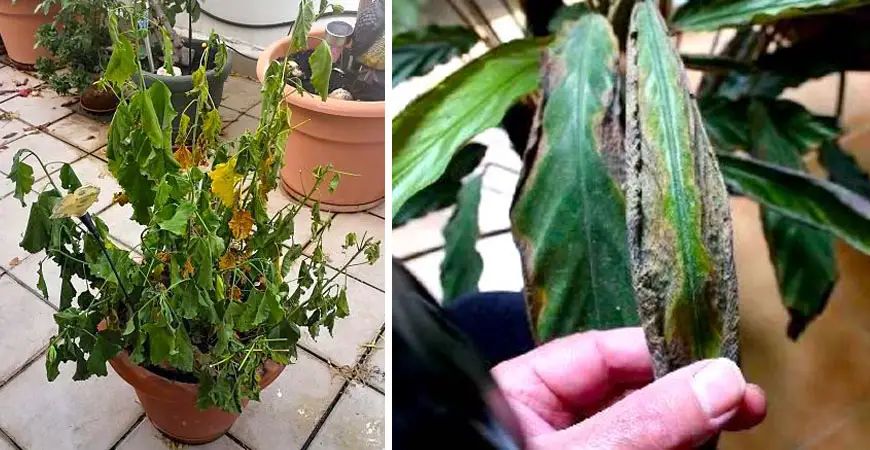
If you notice the tips of your plant’s leaves turning brown, it could be a sign of overwatering. The common misconception is that the plant is drying out, prompting you to water it more. In reality, this excess moisture can cause root rot. Over time, the leaves will continue to brown, becoming soft and mushy.
2. Falling Leaves

While it’s natural for plants to shed leaves occasionally, excessive leaf drop, especially among new shoots, suggests overwatering. If young leaves are falling off and new growth is stunted, this is a clear sign that the plant might be getting too much water.
3. Iron Chlorosis

Yellowing leaves can be mistaken for iron deficiency. However, in clay soils or when overwatered, this discoloration often occurs despite adequate iron levels. Excess water can hinder nutrient absorption, leading to symptoms similar to iron chlorosis.
4. Wilting

Wilting usually indicates that a plant needs water, but if your plant is drooping while the soil remains wet, it’s likely suffering from too much water. When the soil is overly saturated, the roots cannot absorb oxygen properly, leading to wilting despite the soil being moist.
5. Fungal Growth on the Substrate

A whitish-green film on the surface of your plant’s soil is a sign of fungal growth, which thrives in damp conditions. This is a strong indication that your plant is receiving too much water, creating an environment conducive to fungal proliferation.
Remedies for Overwatering
- Cease Watering: Immediately stop watering the plant and remove any saucers or trays underneath the pot to allow excess water to drain away. For garden plants, halt watering in that area.
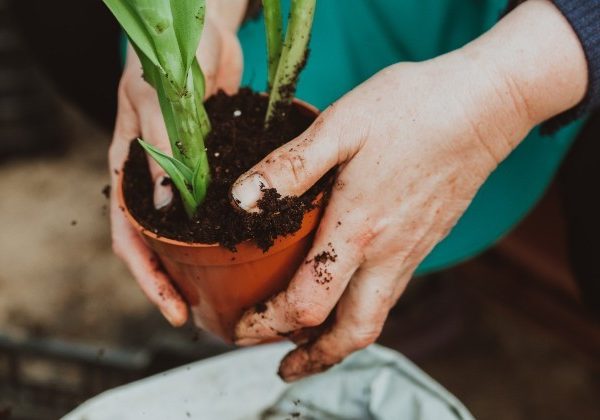
- Improve Drainage: If the plant is in a pot, remove it from the pot after a few days of no watering and place it in a well-ventilated area to help the roots dry out. Leave it for approximately 12 hours or longer if the condition is severe.
- Treat Fungal Issues: Apply an antifungal treatment as a precaution to combat any fungal infections. Prune any blackened, unhealthy roots, which should be white and firm if healthy.
- Disinfect the Pot: Clean the pot thoroughly with alcohol or bleach to kill any remaining fungal spores that may be invisible.
- Repot with Care: When repotting, use a well-draining soil mix to prevent future overwatering issues. A light and porous substrate will help ensure proper drainage and reduce the risk of root rot.
By recognizing these signs and taking appropriate action, you can maintain a healthy and vibrant garden.